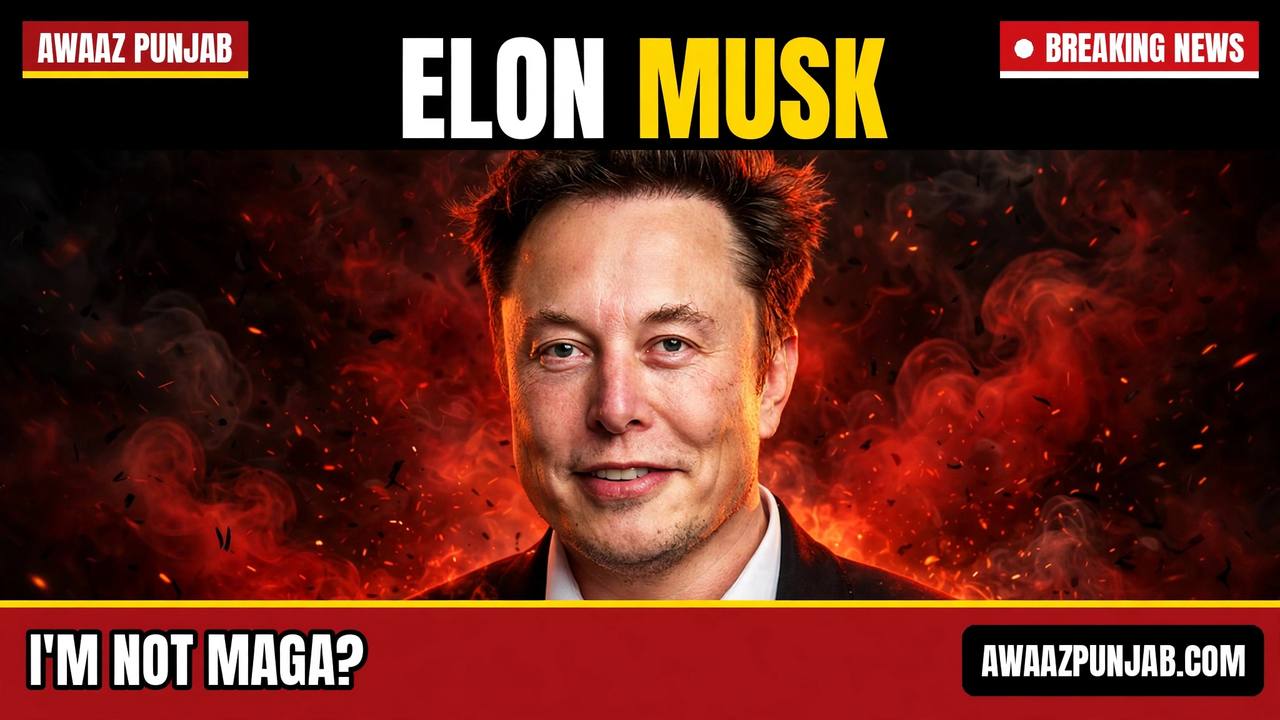
Elon Musk, the world's richest man, has publicly admitted that the nearly $500 million he spent backing Republican candidates in the 2026 midterm elections was a failure — and used the same appearance to distance himself from the MAGA movement he once embraced. Speaking by videolink from China to Andrew Ross Sorkin at The New York Times DealBook Summit in New York on Wednesday, November 18, Musk said he felt "pretty foolish" about the spending, and declared: "I'm not MAGA."
Source: Reuters
"I feel pretty foolish about having spent so much money and not seeing much for it," Musk said. "Probably, if I could rewind the clock, I would have spent less money." On his political identity, he added: "I'm not sure what MAGA means, but if that means sort of blind adherence to a set of policies by the Republican Party, then I certainly don't have that."
Where the $445 million went
About $216 million of Musk's money went to his own super PAC, America PAC, while a second super PAC he funded, Texas PAC, also spent heavily on Republican Senate and House candidates. The biggest single bet was Texas: Paxton's unsuccessful bid for the state's open Senate seat drew the lion's share of the money, at some $229 million. The Guardian put Musk's total at nearly $500 million once state-level races are counted.
Source: Bloomberg
The results were a rout. Democrats won both chambers of Congress in the midterms. In Texas, where Musk has built much of his corporate empire, Paxton lost the Senate race to Democrat James Talarico, and Governor Greg Abbott lost to Democrat Gina Hinojosa — whom Musk complimented during the same DealBook interview. Of the 37 Republican House candidates Musk backed, only three won, according to Reuters.
Source: Reuters
From 'dark, gothic MAGA' to 'I'm not MAGA'
The break is a sharp turn from two years ago. At a Madison Square Garden rally during the 2024 campaign, Musk described himself as "dark, gothic MAGA" and was often seen wearing MAGA hats in the Oval Office while leading the Department of Government Efficiency in 2025. He spent more than $250 million helping Donald Trump return to the White House in 2024, before the two men had a public falling out.
Musk said his goal in the midterms had been to make sure at least one of the presidency, the House or the Senate stayed in the other party's hands, so no side held unchecked power. "What was my actual goal here? Which failed, by the way, obviously," he said. His verdict on the experiment: "It certainly shows that American elections are not just about money."
"I feel pretty foolish about having spent so much money and not seeing much for it. Probably, if I could rewind the clock, I would have spent less money." — Elon Musk, DealBook Summit, November 18, 2026
What happens next
Democrats take control of both chambers of Congress in January, and emboldened Democratic leaders have vowed to investigate Trump and his allies, according to Bloomberg. For Musk, the open question is what he does with his political money now: he has said he would spend less if he could do it again, but he has not said whether he will keep funding Republican candidates, back a different approach, or step back from electoral politics altogether.
For readers following Washington, the episode is already being cited as a test case for the limits of billionaire spending in American politics: the largest single-cycle outlay by any non-candidate in history could not stop a Democratic sweep. The next test comes when the new Congress is seated in January — and whether the world's richest man, having publicly broken with MAGA, tries to buy influence in the new Washington or walks away from it.