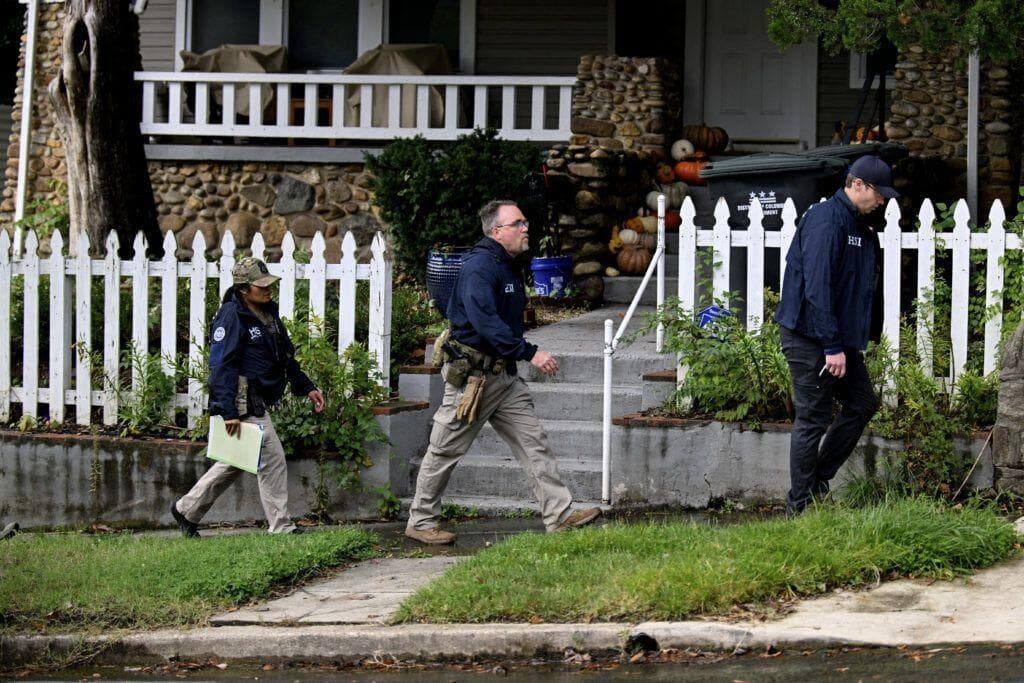
A federal judge in Washington ruled on Tuesday, November 17, that parts of the sealed court records from the October 12 search of Representative Ilhan Omar's Washington home will be released to the public in redacted form, possibly as soon as Monday, November 23 — while the 67-page affidavit at the heart of the investigation stays sealed. The ruling is a major new development in a fight this site has followed since October 29, when the Justice Department asked Chief Judge James E. Boasberg to keep the warrant records sealed, saying the warrant was only partly executed and that a charging decision would follow.
Source: ENM News
Chief Judge Boasberg, who presides in the U.S. District Court for the District of Columbia, heard arguments on Tuesday from the Justice Department and from a coalition of news organisations seeking access to the records. He sided with prosecutors on the core document but against them on much of the surrounding file. “I agree that the vast majority of the warrant affidavit should remain sealed,” Boasberg said in court, calling it “premature” to unseal the whole affidavit at this stage of the investigation.
Source: NBC News via ZeroHedge
What will be released, and when
Under the timetable set at Tuesday's hearing, prosecutors have until Friday, November 20, to propose redactions, including to the search warrant docket sheet. The court will publish the redacted versions no earlier than 5 p.m. on Monday, November 23, unless the order is stayed. The partially redacted search warrant itself and at least 12 other files on the docket are expected to be unsealed. The news organisations seeking the records have until November 30 to respond to the government's proposed cuts.
What will not come out yet is the evidence itself. The 67-page affidavit — the sworn filing in which investigators laid out their case for the search — will remain entirely under seal, along with the specific items collected in the October 12 search and the inventory of what was seized. Boasberg said he had reviewed the court papers himself and found few that appeared to contain investigative details or identify witnesses, and he repeatedly pressed the government on why portions of the docket could not be opened now even while the affidavit stayed sealed.
The speech-and-debate fight at the centre of the ruling
The one category Boasberg said should come out without cuts is the legal fight over Omar's constitutional protections as a member of Congress. “All of the legal debate about speech and debate, I don't believe that should be redacted,” he said. The Constitution's Speech or Debate Clause shields lawmakers' legislative work from questioning by the executive branch and the courts. Magistrate Judge Matthew Sharbaugh, who signed the search warrant, set protocols to protect that work before approving the October search — protocols that have never been made public and that Tuesday's ruling now puts on a path to disclosure.
Justice Department lawyer Alessandra Serano, a Special Assistant U.S. Attorney from the office of the deputy attorney general, told the court prosecutors are still reviewing the materials agents seized from Omar's home, and the government has resisted disclosing even the possible charges under review. Boasberg pointed out that senior administration officials have already discussed the investigation publicly. “We've got your superiors saying what the government is looking into,” he told Serano. When she answered that she had no control over what was said, the judge laughed: “That seems to be a common refrain.” Vice President JD Vance said in March that he believed Omar had committed immigration fraud, and Homeland Security Secretary Markwayne Mullin said in October that investigators have what he called a strong case and expect to take it to a grand jury — statements reported at the time, which Omar's side disputes and which remain allegations, not charges.
Background: the October 12 search
Homeland Security Investigations agents executed the warrant at Omar's home in northeast Washington at around 6 a.m. on October 12, in what the Justice Department called part of an ongoing federal investigation. Agents seized her phone. Omar, a Minnesota Democrat and a naturalised U.S. citizen who came to the United States as a child, won re-election earlier this month. She has not been charged with any crime.
According to reporting by people familiar with the matter, investigators are examining Omar's family immigration paperwork, including whether her father misstated her age in filings made in 2000, which could have affected how she obtained citizenship through him as a minor. The warrant listed conspiracy, false statements on immigration paperwork and immigration fraud as possible offences under investigation, according to Reuters reporting citing a person familiar with the matter. These are allegations under investigation; no court has found them proven. Omar has denied wrongdoing and called the search “an attempt to target political enemies and weaponize federal law enforcement,” and 175 House Democrats demanded a halt to the investigation in late October.
The access fight itself began on October 15, when 14 news organisations — including ABC News, CNN, USA Today and the New York Times — together with the conservative watchdog Judicial Watch, asked the court to unseal the warrant, its application and affidavit, the attachments, a seized-property inventory and related filings. The Justice Department opposed disclosure and filed some arguments under seal, submitting a public response on October 27 and facing replies on October 30. U.S. Attorney Jeanine Pirro's office argued the media request was rash. In a November 12 order setting Tuesday's hearing, Boasberg told the government to be prepared to address why materials beyond the affidavit itself could not be unsealed — the question he answered on Tuesday.
Prosecutors must file proposed redactions by Friday, November 20. Redacted records are due to be published no earlier than 5 p.m. on Monday, November 23, unless the order is stayed, and the media coalition has until November 30 to challenge the government's proposed cuts. The 67-page affidavit stays sealed, and no charging decision has been announced.
What is solid
- Chief Judge James Boasberg ruled on November 17 that redacted versions of parts of the Omar search-warrant docket will be released, no earlier than 5 p.m. on November 23, while the 67-page affidavit remains sealed.
- Federal agents searched Rep. Ilhan Omar's Washington home on October 12 and seized her phone; she has not been charged with a crime.
- Fourteen news organisations and Judicial Watch asked the court on October 15 to unseal the warrant records; the Justice Department opposed full disclosure.
What is only claimed
- What investigators allege about Omar's family immigration paperwork — including claims about her father's 2000 filings — is under investigation and unproven; Omar denies wrongdoing.
- Public claims by administration officials that Omar committed immigration fraud are allegations; no charges have been filed.