Pennsylvania's roads, bridges, water systems and transit earned a C- in the 2026 Report Card for Pennsylvania's Infrastructure, released on Tuesday at the state Capitol in Harrisburg by the Pennsylvania State Council of the American Society of Civil Engineers (ASCE).
Source: American Society of Civil Engineers
A C- means the state's infrastructure is, in most cases, meeting current needs, but is not sufficient for continued growth or for withstanding stressors such as extreme weather, the engineers said. The grade sits one step below the national infrastructure grade of C in ASCE's 2025 Report Card for America's Infrastructure.
How the 17 categories scored
A team of civil engineers assessed 17 categories. Energy, aviation and hazardous waste scored highest at B-. Dams improved to a C, helped by federal investment, even though more than 30 percent of the state's dams are over 100 years old. Broadband, inland waterways, public parks and roads each scored C-, while bridges scored D+.
The three water categories — drinking water, stormwater and wastewater — each scored a D. Transit scored the worst of all, a D-, down from a D in the 2022 report card.
Transit and water are the weakest links
The Southeastern Pennsylvania Transportation Authority (SEPTA) faces a more than $10 billion funding gap for its backlog of repairs, while Pittsburgh Regional Transit faces more than $2 billion in deferred capital needs. Pennsylvania's transit agencies provided more than 528 million passenger trips in 2024. Transit funding gaps stalled budget negotiations last year until Governor Josh Shapiro moved $394 million from the Public Transportation Trust Fund to cover operating expenses — a transfer that bought lawmakers two years to find a permanent funding source.
Source: Pennsylvania Capital-Star
Drinking-water systems face $24.3 billion in maintenance and rehabilitation needs and have the nation's fourth-highest concentration of lead service lines. The state has about 5,100 certified drinking-water operators, a 16 percent decline since 2005. Stormwater systems face $7.4 billion in needs, and nearly 35 percent of the state's stream miles are impaired by urban runoff and overflowing storm sewers. Wastewater faces an estimated $9.6 billion funding gap, and Pennsylvania has 120 communities with combined sewer overflows.
Shirley Clark, a professor at Penn State Harrisburg and an ASCE technical director, said excavators still routinely uncover 100-year-old wooden pipes made from hollowed-out trees. “Water is interconnected. Drinking water is not separate from wastewater, from stormwater,” she said — and the Susquehanna River, which runs 300 miles through Pennsylvania, is one of the most flood-prone rivers in the United States.
Roads, bridges and freight
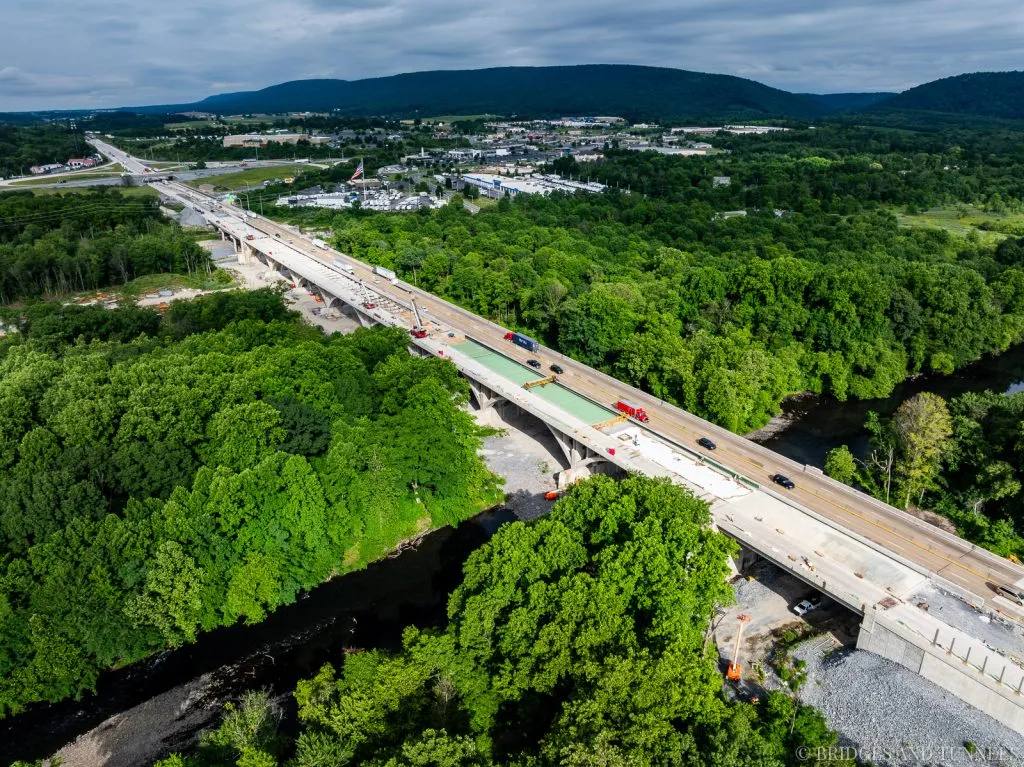
More than 27 percent of state-owned roads are rated in poor condition, and congestion continues to slow freight and commercial traffic. The average bridge in Pennsylvania is 59 years old — the national average is 47 — and most bridges are designed to last 50 years. For truckers and businesses moving goods across the state, the report is a warning: the roads and bridges that carry Pennsylvania's freight are aging faster than they are being replaced.
Energy is the bright spot
Energy scored a B-, far above the national D+ average, because Pennsylvania is one of the nation's leading energy producers. The state exported 87 million megawatt-hours of electricity in 2024 and supplies nearly 20 percent of U.S. natural gas production, and it leads in nuclear and coal production. But rising demand — driven in part by data centres — and more frequent outages mean the grid still needs investment and resilience work, the report said.
Funding: billions spent, billions still needed
The federal Infrastructure Investment and Jobs Act, which expired on September 30, provided more than $22 billion for more than 1,200 projects across Pennsylvania. Act 89 of 2013 generated nearly $2.4 billion over 10 years for transportation revenue by raising the fuel tax. Even so, the Pennsylvania Department of Transportation's revenue commission projects a statewide transportation funding gap that could reach $12.6 billion by 2030.
Justin Komp, who chaired the report card, said new legislation must close the infrastructure gap through sustained funding and grants for small systems and disadvantaged communities. “Stopgap measures and temporary funding, though valuable, are not sustainable solutions,” he said. “The development of long-term funding streams for transportation would enable agencies to reliably plan for the future.”
The engineers also warned of a workforce crunch: more civil engineers are retiring each year than students entering the field. And much of the infrastructure was designed before today's flooding, wildfire and wind risks were understood. “Not only is the infrastructure old and must be modernized, but the designs must adapt to current and future weather conditions,” Komp said.