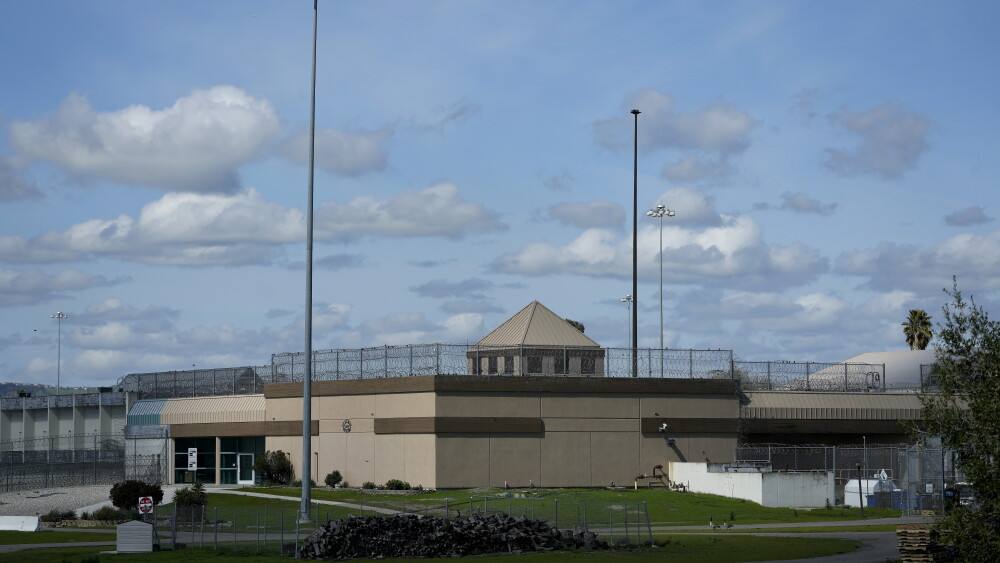
A joint investigation by ProPublica and The Marshall Project, published on November 17, 2026, found that sexual abuse by staff has persisted across the federal women's prison system even after the scandal at the Federal Correctional Institution in Dublin, California, prompted promises of sweeping reform. Reporters identified more than 185 cases since 2021 in which prison employees were accused of sexually abusing people held in women's prisons — and found that, in most of those cases, little changed.
Source: ProPublica / The Marshall Project
Abuse found at most women's prisons
The investigation found sexual assault, misconduct or harassment at most of the 27 facilities that currently hold women in the federal system. The 187 cases counted by the reporters involved 172 women and 15 transgender men. More than 25 women told reporters or said in lawsuits that they were abused by officers who had already been reported or investigated for earlier abuse.
Accountability was rare. As of 2022, fewer than 10 percent of allegations against Bureau of Prisons employees were substantiated — meaning investigators found it more likely than not that the abuse happened — while in more than 75 percent of cases investigators said there was insufficient evidence to decide either way. In more than a dozen instances reviewed by the reporters, assaults left women bruised and bleeding, and officers were also accused of withholding food or medical care, threatening solitary confinement and locking women in closets or bathrooms.
Dublin: the 'rape club' that started it
Staff and prisoners called FCI Dublin a 'rape club.' In September 2021, the FBI arrested Warden Ray Garcia, who was later convicted and sentenced to nearly six years in prison for sexually abusing multiple women and lying to cover it up. He maintains he is not guilty, according to his lawyer. In all, the warden, the chaplain and nine other officers were charged; 10 Dublin officers pleaded guilty or were convicted at trial, and one walked free after two hung juries. It was the largest sex-abuse scandal in the history of the Federal Bureau of Prisons.
At least 47 prisoners alleged abuse by Dublin staff after 2021, even while the prison was under court and congressional scrutiny. A class action was filed in the summer of 2023, and in March 2024 Judge Yvonne Gonzalez Rogers appointed a special master to oversee promised reforms. Days later, the Bureau of Prisons abruptly announced Dublin's closure and transferred more than 600 women to prisons across the country. In early 2025, over the Trump administration's objections, the judge approved a sweeping consent decree — the first for the federal prison system — with pathways to early release, stronger protections against retaliation and two more years of court-mandated oversight for Dublin survivors. The decree is set to expire early next year.
The federal government has agreed to pay $116 million to settle lawsuits with the first 103 Dublin victims, while roughly 300 more cases are still proceeding. Dublin survivors reported almost 40 instances of abuse at their new prisons during the first six months of court-appointed monitoring.
Reforms promised, little changed
After Dublin, the Bureau of Prisons promised cultural assessments of women's prisons, a Justice Department working group recommended stronger leadership, better training and more cameras, the department began site visits in mid-2023, and Congress passed the Federal Prison Oversight Act creating an independent ombuds office. But more than a dozen current and former federal prison employees told the reporters they had seen few or no meaningful improvements. Alix McLearen, the bureau's former administrator for women and special populations, who retired in 2024, said: “Nothing has really changed… this is an opportunity that has been completely squandered.”
The checks that were supposed to catch abuse repeatedly missed it. A spring 2022 assessment of the Tallahassee prison in Florida found sexual safety was 'not determined to be a problem,' yet at least 10 prisoners filed claims of abuse there that same year. At Carswell in Texas that summer, assessors concluded women overwhelmingly felt sexually safe, yet at least seven women were allegedly abused by four employees that year. Justice Department site visits were announced in advance, and one former department attorney said officials staged the visits, with senior officials standing nearby during interviews. The department never released findings from those visits.
Facilities also kept passing federally mandated Prison Rape Elimination Act audits while abuse continued. Carswell received a flawless audit in the same year the FBI investigated a paramedic there accused by at least 18 women, and Aliceville in Alabama received perfect marks while an officer there was allegedly abusing women. Auditors mainly check whether policies are in place, not whether abuse is happening. Two years after Congress passed the oversight act, the ombuds office it created still does not exist: Congress has appropriated no money for it, and the Justice Department had not released a budget and progress report that both chambers of Congress directed it to provide by April of this year.
Cases still moving through the system
At FCI Aliceville in Alabama, officer Felix Wilder, 35, has been charged with sexually abusing seven women. He has pleaded not guilty and is awaiting trial; court records and interviews indicate he allegedly abused at least 17 or 18 other women in total, many of whom face deportation after their sentences. At the Federal Medical Center Carswell in Texas, paramedic Preston Emert has been accused by 18 women of demanding sex in exchange for drugs and medical treatment. He has not been charged and, Bureau of Prisons officials said in November, is still employed as a paramedic at Carswell. He is one of 12 Carswell employees accused of sexual assault in the last five years. In October 2026, his supervisor was arrested after admitting to investigators that he was having sex with a woman incarcerated there; he had not yet entered a plea.
Other cases are also pending. An officer at a federal prison camp in West Virginia has been charged with sexually assaulting three women and has pleaded not guilty, with a trial set for early next year. In Tallahassee, officer Lenton Hatten was sentenced to three months in prison after DNA evidence tied him to the abuse of one woman; six women said he sexually assaulted them. At the federal jail in Chicago, an officer allegedly groped and sexually assaulted at least four women in December and has pleaded not guilty, and that case is ongoing. Former Dublin safety supervisor John Bellhouse is serving a 63-month sentence after being convicted of sexually abusing two women.
The Bureau of Prisons says it has 'zero tolerance' for sexual abuse and harassment. Spokesperson Randilee Giamusso pointed to a revamped policy on sexually abusive behaviour intended to ensure more thorough investigations, but she did not provide details or address specific cases, saying the bureau does not comment on pending litigation. The policy also removes any mention of transgender or intersex people, whom federal law identifies as particularly vulnerable. The officers' union called sexual abuse 'completely unacceptable' and blamed persistent staffing shortages, while a White House spokesperson referred questions to federal prison officials.
What happens next
The Dublin consent decree expires early next year, ending two years of court-mandated oversight for survivors unless a court extends it. Trials are ahead for Wilder and the West Virginia officer, and roughly 300 Dublin lawsuits are still proceeding. The bureau recently announced it would allow new officers to start with fewer qualifications and lower pay, and earlier this year it announced plans to stop housing women at Aliceville and turn it into a men's prison. Congress has still not funded the independent ombuds office that was supposed to watch over the system — the reform the investigation found most plainly missing.
The investigation found that the women most at risk were often those with the least power to complain — including women facing deportation after their sentences and women dependent on staff for medical care. For families of people held in federal custody, the findings raise a direct question: who is watching the people in charge of watching prisoners?