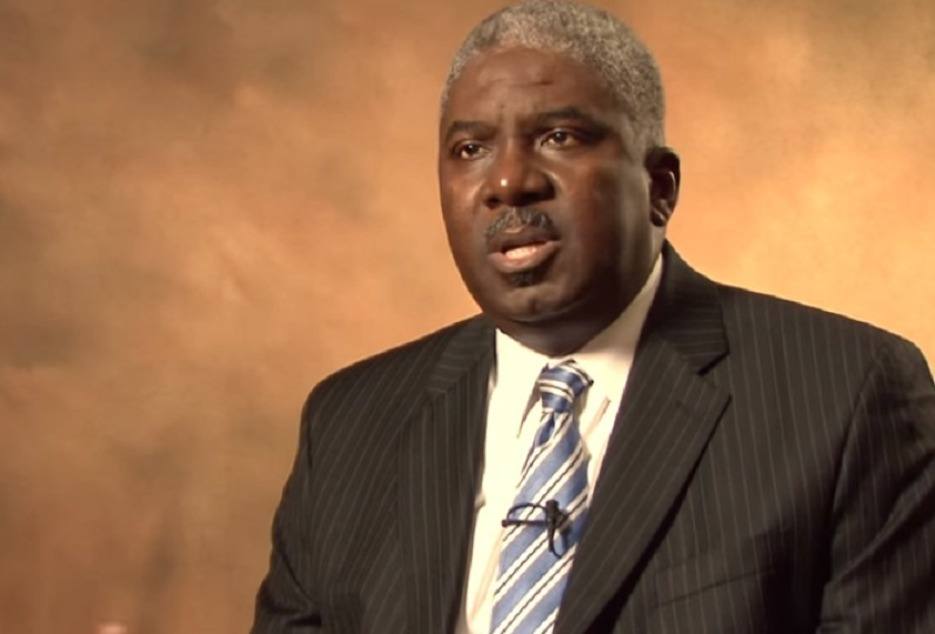
A federal jury in Miami convicted Florida pastor Christian Emmanuel Sanon on Wednesday, November 18, 2026, of U.S. charges arising from the 2021 assassination of Haitian President Jovenel Moïse. After a trial that ran nearly eight weeks, the jury found the 68-year-old guilty on all eight charges he faced.
Source: Associated Press
The most serious charge was conspiracy to kidnap or kill a person outside the United States. Sanon showed little reaction as the verdict was read in the Miami courtroom. He remains in federal custody and faces up to life in prison when he is sentenced on February 10.
South Florida at the centre of the plot
Federal prosecutors told the trial that South Florida was the hub for planning and financing a plot to oust Moïse and install a president of the conspirators' choosing. They said Sanon was the conspirators' initial choice to replace Moïse, that he helped raise money for the conspiracy, and that he arranged travel to Haiti and lodging for himself and others.
Source: Associated Press
Prosecutors said the scheme included paying about two dozen foreign mercenaries with money obtained from U.S. government programmes that were intended to help businesses during the COVID-19 pandemic, according to court records. Two Florida-based companies — Counter Terrorist Unit Federal Academy and Counter Terrorist Unit Security, collectively known as CTU — initially hired about 18 Colombian nationals with military training to provide security for Sanon. The conspirators also spent months obtaining weapons and body armour and attempting to build ties with Haitian gangs, officials said.
Source: Associated Press
According to the indictment, the plot to oust Moïse began taking final shape in April 2021, when Sanon met in South Florida with a former Haitian senator and several U.S. businesspeople. The group agreed that Sanon, once in power, would award contracts to the two CTU companies for infrastructure projects, security forces and military equipment. By June 2021, the conspirators realised Sanon had neither the constitutional qualifications nor sufficient popular support to become president, and they shifted their support to Wendelle Coq Thélot, a former Haitian Supreme Court judge who died in January 2025 while a fugitive.
Source: Associated Press
What Sanon told the jury
Sanon, who was born in Haiti and moved to the United States as a teenager, testified that he worked with churches in Haitian immigrant communities in Florida and the Midwest. He acknowledged in testimony that he was at one point in communication with people trying to replace Moïse, but said the group had moved on to another candidate long before the assassination. He denied any knowledge of plans to kill Moïse.
Source: Associated Press
Prosecutors declined to comment after the verdict. Sanon's attorney, Zeljka Bozanic, said the defence team was disappointed with the jury's decision and would file an appeal at the appropriate time.
Source: Associated Press
The assassination and its aftermath
Haiti has not had a president since authorities said a squad of mostly retired Colombian soldiers killed Moïse and wounded his wife in a nighttime raid at their home on July 7, 2021. The election of a new president is scheduled for next year. Haiti, the poorest country in the Americas, has a history of dictatorship, political upheaval and foreign intervention that has long hindered democratic rule.
Source: Associated Press
What happens next
Sanon will be sentenced on February 10, when he faces up to life in prison, and his lawyer has said an appeal will follow. Four other men were convicted earlier this year of conspiring to kill or kidnap Moïse; Sanon had been scheduled to be tried with them, but his case was separated and delayed for health reasons. U.S. prosecutors have charged more than 40 people in connection with the assassination, and a dozen have been convicted, including five who are serving life sentences.
Source: Associated Press
South Florida is home to one of the largest Haitian diaspora communities in the United States. The trial laid bare how the plot was organised in their own backyard — and how pandemic relief money meant for struggling businesses was diverted to pay mercenaries.
The verdict closes one chapter of the U.S. investigation into the killing, but Haiti itself remains without an elected president more than five years after the assassination, and the country's political future now rests on the election scheduled for next year.