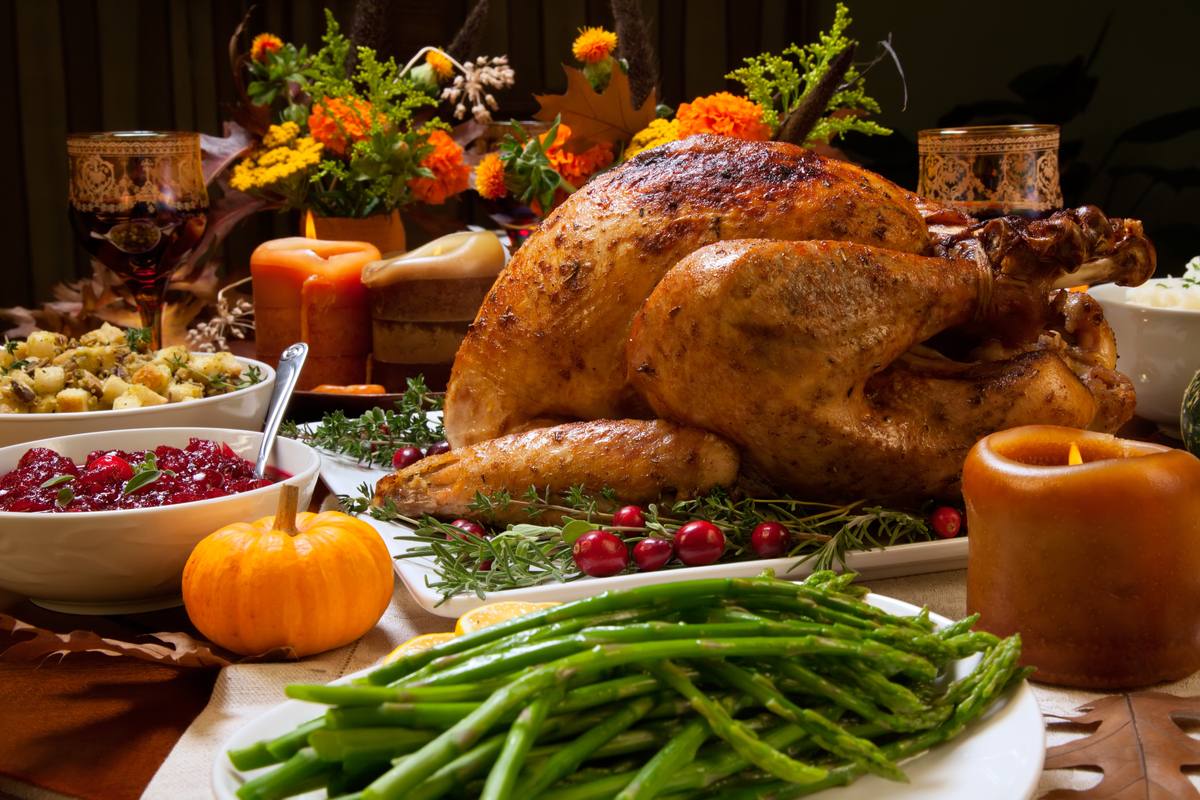
A classic Thanksgiving dinner for 10 people will cost an average of $58.63 this year — about $5.86 a person — up more than 6% from $55.18 in 2025, according to the American Farm Bureau Federation's 41st annual Thanksgiving dinner cost survey, released on November 18. It is the first overall increase since the record-high $64.05 of 2022, and it lands one week before Thanksgiving Day on Thursday, November 26.
The turkey is doing most of the damage
The 16-pound frozen turkey at the centre of the table averaged $23.68 this year — $1.48 a pound — up 10.1%, or $2.38, from last year. The Farm Bureau says increased production costs and a recovering turkey population have pushed prices up, while high demand and tight inventories have kept them there. The turkey is the single most expensive item on the list, so its rise alone accounts for most of the increase in the total.
What went up — and what went down
Most of the rest of the basket rose too. Fresh cranberries were up 8.8% to $2.48 for a 12-ounce bag, whole milk rose 8.6% to $4.05 a gallon, dinner rolls climbed 7% to $3.81 a dozen, stuffing mix rose 5.4% to $3.91, sweet potatoes rose 5% to $4.20 for three pounds, and pumpkin pie mix edged up 1.9% to $4.24. The Farm Bureau blames higher fuel, harvesting and transport costs; milk is also dearer because of stronger demand for powdered protein, and rolls reflect higher processing, packaging and transport costs.
A third of the ingredients got cheaper. The veggie tray fell 3.7% to $1.31, two frozen pie crusts dropped 2.7% to $3.28, frozen peas fell 2% to $1.99, and whipping cream slipped 1.6% to $1.84. Low wheat prices helped bring down flour-based items, and the Farm Bureau says veggie-tray items such as carrots and celery may be cheaper because supplies have rebounded from past shortages caused by severe weather and disease.
Where you live changes the bill
The same meal costs least in the South at $54.33, followed by the Midwest at $56.89 and the West at $58.74 — the only region where the average fell from last year, by $3.01. The Northeast is the most expensive at $61.57. Families who add the survey's expanded menu — boneless ham, russet potatoes and frozen green beans — pay $23.09 more, taking the national total to $81.72. The expanded meal is cheapest in the South at $76.91 and dearest in the Northeast at $86.62.
How the survey works
Hundreds of Farm Bureau volunteer shoppers checked prices in the first week of November, in person and through grocery store apps and websites, in all 50 states and Puerto Rico. They recorded the best available regular prices, without special coupons or combined-purchase deals. The classic menu — turkey, stuffing, sweet potatoes, rolls, peas, cranberries, a veggie tray and pumpkin pie with whipped cream, in quantities for 10 — has not changed since the survey began in 1986, so the figures can be compared year to year.
“The overall increase in our annual survey reflects the rising costs of getting food from the farm to your dinner table,” said Faith Parum, the Farm Bureau's deputy chief economist. “High diesel prices and a shortage of farm labor have taken a toll on the farm level of the food supply chain. But, looking at the big picture, America's families are still fortunate to spend a smaller percentage of their disposable income on food than almost anywhere else in the world.”
What it means for farm families
Farm Bureau president Zippy Duvall said food prices are a real concern for American families, including farm families, who pay the same grocery prices while facing rising supply costs. He urged Congress to pass the farm bill and labour reform, saying farmers need strong farm policy and action on the shortage of farm workers. Higher shelf prices do not necessarily mean more money for farmers: the U.S. Department of Agriculture estimates that less than 6 cents of every food dollar goes back to the farm, and higher farm revenue can quickly be eaten up by the cost of diesel, fertilizer and other supplies.
How to pay less at the till
The survey prices are regular prices, not sale prices, and shoppers may do better in the days before the holiday. The Farm Bureau notes that grocery stores often feature whole turkeys at lower prices as Thanksgiving approaches, and the latest U.S. Department of Agriculture data showed the average advertised price for whole frozen turkeys falling during the second week of November. In its retail report covering ads that ended November 7–19, the USDA put conventional frozen whole turkeys at an average of 96 cents a pound.
Thanksgiving week
Thanksgiving falls on Thursday, November 26, and the holiday travel rush is already under way — AAA expects 81.5 million Americans to travel for the holiday, a figure Awaaz Punjab reported earlier this week. The Farm Bureau will run its next price check in the summer, with its annual cookout survey due in late June 2027.