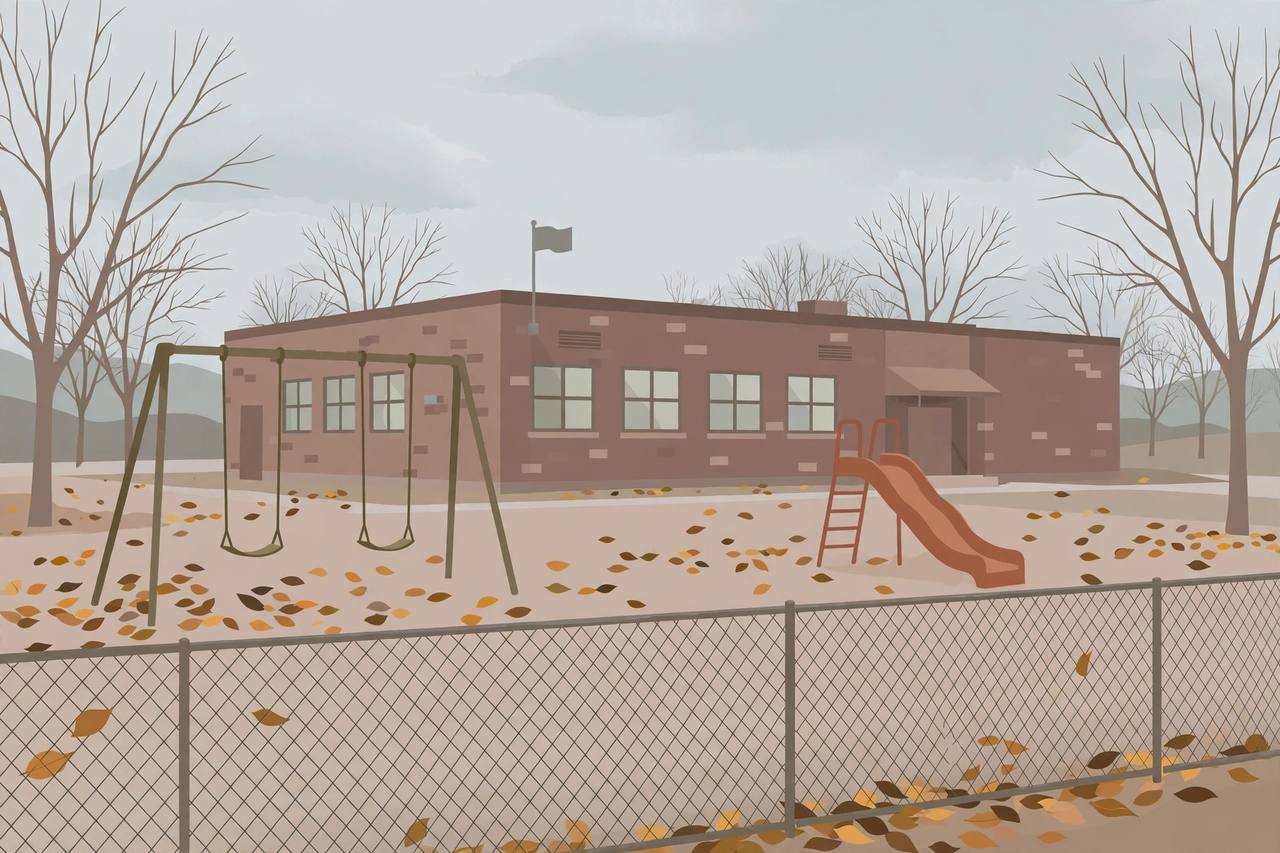
More than 100 public schools across the United States have been slated for closure or consolidation since last year, as districts grapple with dramatic enrollment declines that have left budgets strained and buildings half-empty, The New York Times reported on November 17. From New York City to Portland, Tulsa and Pittsburgh, school boards are deciding that they can no longer afford to keep every neighbourhood school open — and parents are organising to stop them.
Source: The New York Times
Two forces are driving the wave. Americans are having fewer children — birth rates began falling in 2007 and have not recovered — and more parents are opting for charter schools, home-schooling or voucher-funded private schools. The result is fewer pupils in public classrooms, and because school funding is tied closely to student numbers, districts say the maths no longer works.
Source: The New York Times
Portland: 10 schools on the chopping block
In Portland, Oregon, the picture is stark. Enrollment in Portland Public Schools has fallen from a peak of nearly 80,000 students in the 1960s to about 42,000 today, and is down 11 percent since 2019. On November 12, Superintendent Kimberlee Armstrong recommended closing 10 elementary schools over two years to help close a projected $65 million budget deficit. Five schools — Beach, Buckman, Creston, Peninsula and Sabin — would close in fall 2027, and five more — Irvington, Lewis, Marysville, Rose City Park and Woodmere — in fall 2028. The school board is scheduled to vote on the plan on December 15.
Source: North Peninsula Review
Parents have pushed back hard. Families marched across the Burnside Bridge in Portland and packed school board meetings, wearing matching T-shirts and carrying protest signs. Hanna Neuschwander, a Portland parent whose children attend their neighbourhood school, told The New York Times: “It feels like our community is being dismantled.” A coalition of families from 26 schools has asked the board to pause the closures.
Source: KOIN / Willamette Week via WEPNW
Tulsa, Pittsburgh and the national map
Tulsa, Oklahoma, has already voted. On October 19, the Tulsa Board of Education voted 6-1 to close or consolidate 17 schools — 14 elementary schools, two middle schools and one alternative programme — taking effect in the 2027-28 school year. The district has fallen from about 40,900 students in October 2016 to roughly 32,500 this fall, a drop of more than 20 percent, and expects the consolidation to save about $11.1 million a year. More than 4,700 children will move to different schools next fall.
Source: K-12 Dive
Pittsburgh is preparing to close 12 schools, and the pattern repeats in city after city: five schools are closing around the Tampa Bay area in Florida, three in Little Rock, Arkansas, and 17 in Philadelphia, where enrollment fell 12 percent between 2014-15 and 2024-25. In Colorado, Adams 12 Five Star Schools approved closing six schools in October after losing 6,400 students over a decade. At Arsenal Middle School in Pittsburgh, which serves mostly lower-income Black and Hispanic families, the student body has shrunk to 134 pupils, with just 37 eighth graders.
Source: K-12 Dive closure tracker
Why the money runs out
District leaders say the problem is structural, not temporary. When enrollment falls, funding falls with it, but the cost of heating, staffing and maintaining a building does not shrink at the same rate. Half-empty schools become expensive to run, and districts say they cannot keep small schools staffed well. Closing a school, educators acknowledge, is one of the most unpopular decisions in public education — but many boards say they have no choice. The National Center for Education Statistics projects total US public school enrollment will fall about 5 percent, from 49.6 million students in fall 2022 to 46.9 million in fall 2031, so the pressure is expected to grow.
Source: K-12 Dive closure tracker
What it means for families
For families, a closure is not an abstract budget line. Children are scattered to unfamiliar schools, often further from home, and the neighbourhood loses the building that anchored it — the place where parents meet teachers, where children walk to class, and where a new family plugs into the community. That matters acutely for immigrant families, including Punjabi families across the United States, for whom the local school is often the first and most trusted point of contact with American civic life. When the school closes, the community around it thins with it.
Source: The New York Times
What happens next
The next decision point comes on December 15, when Portland's school board votes on the 10-school closure plan, with more community listening sessions scheduled before then. Tulsa's changes take effect in the 2027-28 school year, as do Pittsburgh's. With birth rates still low and school choice still growing, education researchers expect the wave of closures to accelerate — and the fights over each school to get louder.
Source: North Peninsula Review