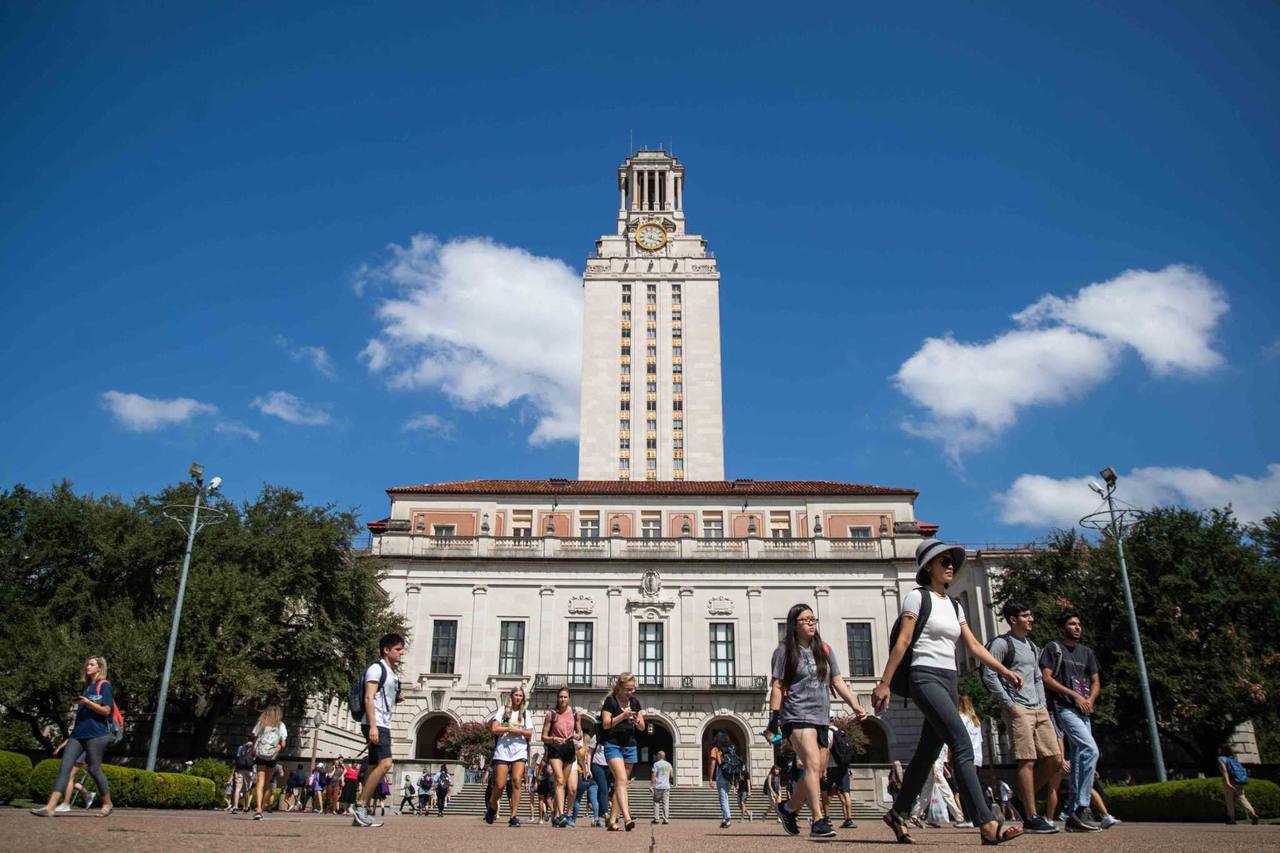
AUSTIN, Texas — The first state report examining student outcomes since Texas banned diversity, equity and inclusion programmes at its public colleges has found that grades and first-year retention held steady or improved — but it cannot say whether the ban had anything to do with those changes. The report, approved by the Texas Higher Education Coordinating Board on November 16, also warns that the state may stop studying the law before its effect on graduation rates can ever be measured.
Source: Texas Tribune via KWBU
Senate Bill 17, passed by Texas lawmakers in 2023 and in effect from January 1, 2024, prohibits public colleges and universities from maintaining diversity, equity and inclusion offices or running DEI programmes. In the months that followed, colleges across the state closed student resource centres, cut support for campus groups serving students of colour and LGBTQ+ students, and stopped sponsoring graduation celebrations honouring those communities — leaving students to organise and fund events their schools once supported.
What the report actually found
At public two-year colleges, the share of Black students who earned a grade point average above 2.0 after their first year rose from 71% in 2023 to 79% in 2025. Among Hispanic students, that figure rose from 77% to 81%. Both groups also made modest gains in first-year retention at public colleges and universities. A 2024 coordinating board review had established a baseline using data from the two years before the ban; the new report adds data through 2025.
The picture is different on enrolment. Even as applications to public universities have generally increased, the share of admitted students who actually enrol has fallen across demographic groups — continuing a trend that began before the ban. In 2023, 53% of Black students and 50% of Hispanic students who gained admission to Texas public universities enrolled. By 2025, those figures had dropped to 45% and 44% respectively. State higher education officials cautioned that they could not determine whether the ban contributed to those changes.
Deborah Santiago, chief executive officer of Excelencia in Education, a national organisation focused on Latino student success, said the report “lacks the context needed to determine whether the DEI ban affected student outcomes.”
The study may end before the real answer arrives
When lawmakers passed Senate Bill 17, they required the coordinating board to study the ban's effects on college access and student success. But that requirement expires in September 2029 — before students who entered public universities in fall 2024 reach their six-year graduation benchmark. In other words, the study the law itself ordered may close before it can measure the law's most important outcome: whether students actually finish their degrees.
The stakes are large. More than 624,000 Hispanic students attended Texas colleges and universities in 2024, accounting for 43% of college enrolment, according to coordinating board data. They were the state's largest group of college students, yet continued to graduate at lower rates than other groups. For the many Punjabi and other immigrant families in Texas whose children are now entering the state's universities, the same questions apply: campus support has changed, and the evidence about what that means for finishing a degree is still years away.
What happens next
The coordinating board will keep tracking student outcomes, and the findings are expected to feed into debates in the 2027 legislative session over funding and accountability for public universities. Students and advocates are watching whether the study continues past its 2029 expiry, and whether lawmakers extend the requirement so the six-year graduation picture can be seen. Until then, the report's honest conclusion stands: grades are up, enrolment yield is down, and nobody can yet say what the ban itself caused.
Source: Houston Public Media