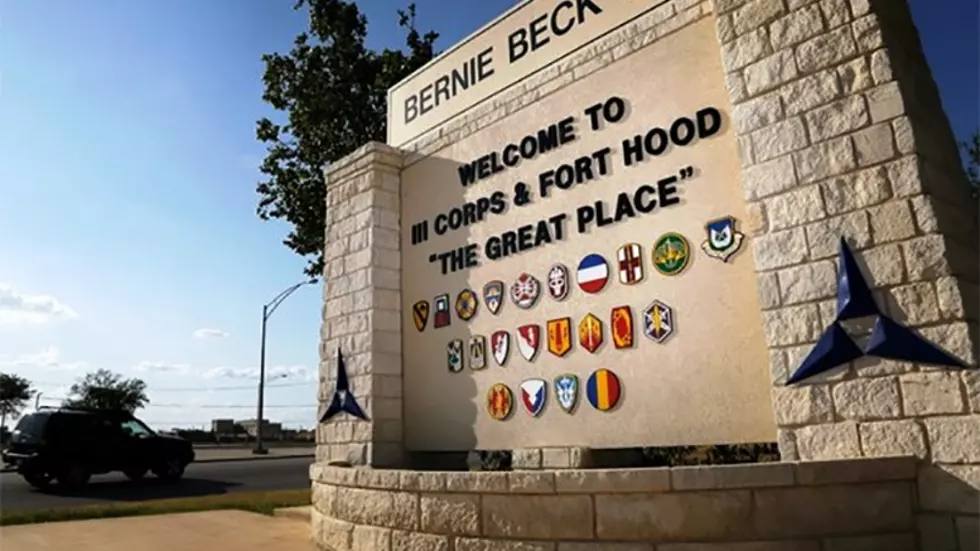
Nidal Hasan, the former Army major convicted of killing 13 people in the 2009 shooting at Fort Hood, Texas, asked a federal court on Tuesday to halt his execution by firing squad, which is scheduled for December 3.
In a filing signed by Hasan himself, he told the court he intends to demonstrate that the military court's judgment and his resulting sentence of death “were obtained and are maintained in violation of his federal constitutional and statutory rights.” Hasan, who is held at the military prison at Fort Leavenworth, Kansas, filed the case in US District Court in Kansas, where it has been assigned to Judge Anthony Mattivi.
Hearing set for Wednesday morning
Judge Mattivi has ordered a hearing on the stay request for Wednesday morning. The filing asks the judge to stop the execution while Hasan prepares a habeas corpus petition — the legal challenge through which a condemned person can ask a federal court to review whether their detention and sentence were lawful. Under US law, that right opens once a prisoner has been told the date and method of execution.
Hasan intends to keep representing himself in the habeas proceedings, according to the filing, with lawyers from the American Civil Liberties Union's Capital Punishment Project assisting as standby counsel. The ACLU entered its appearance in the case on Tuesday, arguing that the execution should be stopped so Hasan can file his petition.
An execution 65 years in the making
If it goes ahead on December 3, Hasan's would be the first execution carried out by the US military since 1961 — and the first by firing squad since 1945, at the end of the Second World War. President Donald Trump approved the execution in October, and Defense Secretary Pete Hegseth then announced that the Pentagon planned to livestream it. Trump later reversed the livestream plan after bipartisan backlash, but the administration has said the execution itself will go ahead.
The 2009 attack
On November 5, 2009, Hasan, then an Army psychiatrist, opened fire with a laser-sighted handgun inside a medical facility at Fort Hood, killing 13 people and wounding more than 30 others before he was shot by police. He shot himself during the attack and was left paralysed from the chest down. A military court-martial jury convicted him in 2013 of 13 counts of premeditated murder.
Three survivors barred from witnessing the execution
Military officials said on Tuesday that three survivors of the shooting will not be allowed to witness the execution. The Army told them on November 10 that they could not attend because none of them was the direct victim of the charges on which Hasan was convicted, citing the regulations governing military executions. An email sent on Tuesday and shared with The Associated Press said their request for reconsideration had been rejected, citing security and space issues. The survivors had argued that the Army should apply the broader definition of “victim” in the Uniform Code of Military Justice, which covers anyone who suffered “direct physical, emotional or pecuniary harm.” A letter signed by the commandant of Fort Leavenworth said they cannot appeal again.
The military has told victims and survivors that about 160 witnesses will be allowed to attend the execution, and about 90 people had decided to go, according to an advocate working with the families. An Army official, speaking on condition of anonymity, said the military will not release details about the firing squad or its protocols, including how many service members will take part.
What happens next is in Judge Mattivi's hands. If he grants a stay on Wednesday, the December 3 date will slip while Hasan's habeas challenge plays out — a process that, according to the reports, could take months or years. If he refuses, the Army will proceed with the execution as planned. For the families of the 13 people killed, the date would close a case that has run since the 2013 court-martial; for Hasan's lawyers, the question before the court is narrower — whether a federal judge has ever reviewed the sentence at all.