HOUSTON, Texas — The pilot who was guiding the bulk carrier Yangze 7 when it struck and sank a towing vessel in the Houston Ship Channel in 2024, killing a deckhand, has been indicted on a federal manslaughter charge, according to reporting published on Monday, November 16.
Source: The Maritime Executive
The Houston Chronicle reports that the indictment, filed on November 10, charges Darris Ornel Jefferson, a Houston pilot with five years of experience, with one count of misconduct or negligence under the statute known as the Seaman's Manslaughter Statute, citing “misconduct, negligence, and inattention to duties.” Jefferson faces up to 10 years in federal prison if convicted, and was scheduled to appear in court on Monday. The charge is an allegation: Jefferson is presumed innocent unless and until he is proven guilty in court.
What happened on July 19, 2024
Shortly after 2 p.m. on July 19, 2024, on the Houston Ship Channel near Lynchburg, Texas, the Liberia-flagged bulk carrier Yangze 7 — 656 feet (200 metres) long and 63,600 deadweight tonnes, inbound from Galveston with ballast and bound for Kinder Morgan's bulk terminal in Houston to take on coal — was overtaking the towing vessel Miss Peggy when its bulbous bow struck the towboat's stern at 2:03 p.m., according to the National Transportation Safety Board (NTSB). The Miss Peggy, a 50-by-20-foot, 1,600-horsepower towing vessel owned and operated by Houston Fleeting Services, a subsidiary of Ingram Marine Group, was travelling lightboat toward its home fleet in Channelview with a crew of five.
Source: WorkBoat / NTSB
The Miss Peggy rolled to starboard, capsized and sank. The crew of a nearby good Samaritan tug, the George M — whose mate had radioed a warning to the Yangze 7 moments earlier — rescued four crew members from the water. One surviving crew member was seriously injured and another sustained minor injuries, the NTSB found. The fifth crew member, deckhand Aquarius Lowman, was trapped in the vessel's galley and died; his body was recovered a couple of days later when the vessel was salvaged. Salvage of the Miss Peggy and pollution cleanup cost about $3.7 million, while the Yangze 7 sustained no damage.
The 39-minute phone call at the centre of the investigation
The NTSB's investigation report, released in August 2026, found that the Houston pilot aboard the Yangze 7 watched a non-work-related video during the transit and answered a personal call at 1:22 p.m. from a fellow pilot aboard the outbound tanker Petrel, remaining on that call for 39 minutes — issuing rudder and heading orders while he talked — until a little over two minutes before the collision. “During the 39-minute phone call, the pilot was likely cognitively distracted,” the NTSB wrote. The board determined the probable cause was the loss of situational awareness of the Houston pilot, the Yangze 7 bridge team and the captain of the Miss Peggy due to a failure to maintain a proper lookout.
The report records that the Yangze 7's second officer told investigators he was “very afraid” because the pilot was “chatting” through an earpiece while issuing steering orders that were “not about the vessel, not about safety, not about navigation.” The ship's bosun had reported a vessel about 20 to 30 metres ahead, and the George M's mate radioed, “Calling the Yangze 7, watch out for that tow right in front of you, captain” — but the pilot never saw the Miss Peggy, and the towboat's captain, who was at its helm, did not see the bulk carrier closing from behind until after the impact, investigators found.
The NTSB recommended that the U.S. Coast Guard and the American Pilots' Association prohibit non-operational use of personal electronic devices by people directing vessel movements. There is currently no federal regulation covering the practice, although the Coast Guard has repeatedly recommended against phone use on watch. After the 2024 fatality, the Houston Pilots issued a new rule requiring pilots to avoid non-operational use of personal cellphones.
Why this case reaches far beyond one waterway
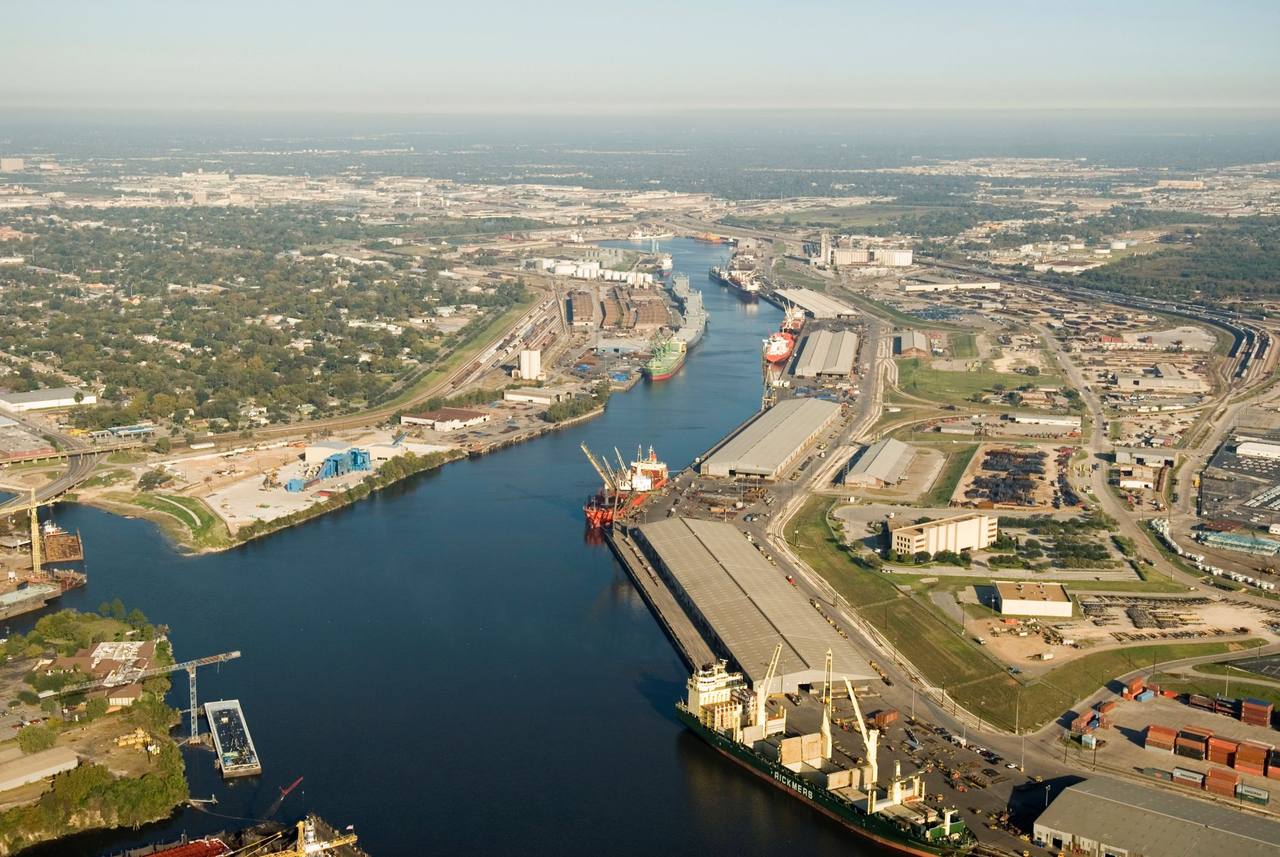
The Houston Ship Channel is one of the busiest seaways in the United States, and ships navigating it are required to carry a licensed pilot. The Port Houston complex it serves is a freight gateway whose cargo moves onward by truck and rail across Texas and the Midwest — a corridor worked every day by Punjabi-American truckers and drayage drivers, for whom a channel closure or a port safety crackdown is felt first in dispatch schedules and waiting times. Investigators also noted that distraction from personal electronic devices was a contributing factor or probable cause in at least 10 other marine casualties between 2009 and 2024, with three deaths and 45 injuries combined, which is why the NTSB has pressed for a binding rule rather than guidance.
What happens next
Jefferson was scheduled to make his first court appearance on Monday, November 16, according to the Houston Chronicle's reporting of the indictment. A trial date has not been reported. The indictment follows the NTSB's August report and a separate civil case over the collision in the Southern District of Texas, in which claims arising from Lowman's death and the other crew members' injuries were litigated. The Seaman's Manslaughter Statute, a pre-Civil War-era law formally titled misconduct or neglect of a ship officer, is the federal government's standard charge when a mariner's alleged negligence causes a death at sea.