Trump told Fox News he wants a 'permanent' deal with Tehran — and said he is 'not rushing' any decision on Iran until after the new year. Read the earlier story
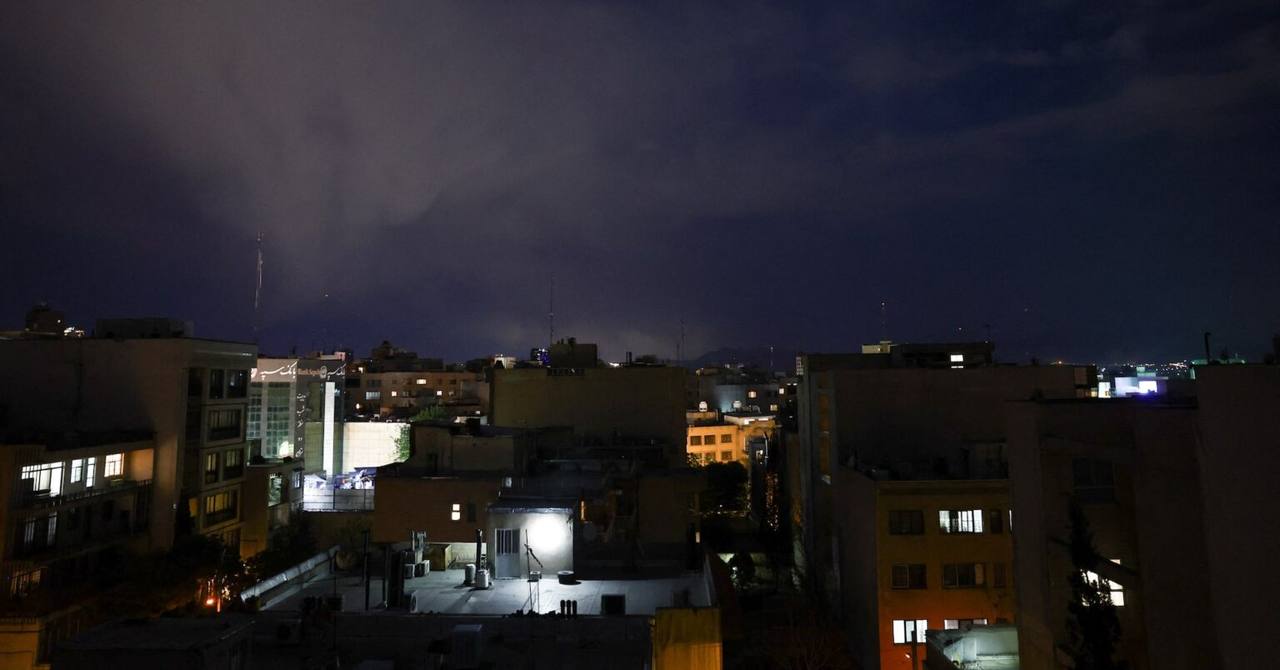
Iran will begin rationing electricity from Sunday, November 22, as damage to its energy infrastructure in the war with the United States and Israel deepens an already severe power crisis, state media reported on Saturday.
Source: Geneva Times
"Given the country's fuel supply conditions, the electricity sector will be forced to impose distribution restrictions from Sunday," Mohammad Allahdad, the head of Iran's national electricity company, told state television on November 21. He said the cuts would last up to two hours a day, depending on the area — in some places about two hours every two days, and in others up to two hours daily.
Source: Geneva Times
Why the grid is failing
President Masoud Pezeshkian said US and Israeli strikes on Iran's energy infrastructure, which began in late February, had intensified the country's energy problems ahead of the potentially cold months. "The attack on the country's gas infrastructure has aggravated the situation, and we should therefore expect difficulties this winter," the state news agency ISNA quoted him as saying on Saturday.
Source: Geneva Times
Despite holding some of the world's largest oil and gas reserves, Iran has long struggled to meet its own demand for power. Its grid is ageing, has suffered years of underinvestment and has been squeezed by Western sanctions — and the war has now damaged the gas infrastructure that feeds its power plants.
Bread rationing already under way
The power cuts follow days after the authorities began "purchase management" procedures to deal with bread shortages. In at least three provinces — Markazi, Khuzestan and Zanjan — households can now buy only a set monthly quota of subsidised bread; once it runs out, they pay more than five times the price.
Source: Geneva Times
Iranian media reported on November 18 that the scheme was switched on through bakeries' card readers with no public announcement, and neither bakers nor customers were briefed. Officials have given conflicting accounts of what is happening, and the move has drawn criticism from economists and even from hard-line media.
War and diplomacy
On the diplomatic front, Trump told Fox News on November 21 that he still wants an agreement with Tehran that no future president could reverse, and said regime change had never been his main concern. Separately, he told Israel's News 12 that he was "not rushing to make any decisions on Iran" and would "see what happens after the new year starts". CBS, citing sources, has reported that Israel and the US are considering new strikes as months of Qatari- and Omani-mediated talks have failed to show progress.
Source: Geneva Times
Violence continued on November 21 and into the early hours of November 22. Bahrain said an Iranian attack struck a civilian industrial facility in the small US-allied Gulf country, causing a fire but no injuries. Iran's Islamic Revolutionary Guards Corps said it had launched a missile-and-drone attack on US military positions in Bahrain, which hosts the US Navy's Fifth Fleet.
Source: Geneva Times
Oil and the Gulf
Brent crude settled at $92.57 a barrel on Friday, up 0.64 percent on the day but down 3.41 percent for the week — its third weekly fall in a row. A tanker fire near the Strait of Hormuz revived concern over shipping through the route, and OPEC+ ministers meet on November 29 to set output policy for 2027.
Source: FinanceFeeds
For the lakhs of Punjabi and Indian workers living and working in the Gulf, the war has already meant disrupted flights and shipping through the Strait of Hormuz and months of uncertainty over jobs and remittances. A winter of power cuts inside Iran adds to the strain on a region already living with the war's daily consequences.
What happens next
The rationing begins on Sunday, and demand for heating will only rise as winter sets in. Qatari mediators are still trying to keep Washington and Tehran talking, but with Tehran refusing to ship its enriched uranium abroad and Trump saying he will decide only after the new year, no breakthrough has been reported — and the standoff continues.
What is solid
- Iran will ration electricity from November 22, with cuts of up to two hours a day, announced by the head of the national electricity company on state TV on November 21
- President Pezeshkian said US and Israeli strikes on gas infrastructure have worsened the energy crisis
- Bread 'purchase management' is under way in Markazi, Khuzestan and Zanjan provinces, with buyers paying more than five times the price once their quota runs out
- Brent crude settled at $92.57 on Friday, November 20
What is only claimed
- Iran's claim that its air defences hit a US F-16 over the Gulf — the US Central Command says no F-16 was attacked and all jets are safe
- The full scale of the damage to Iran's energy infrastructure, which cannot be independently verified while inspectors have no access