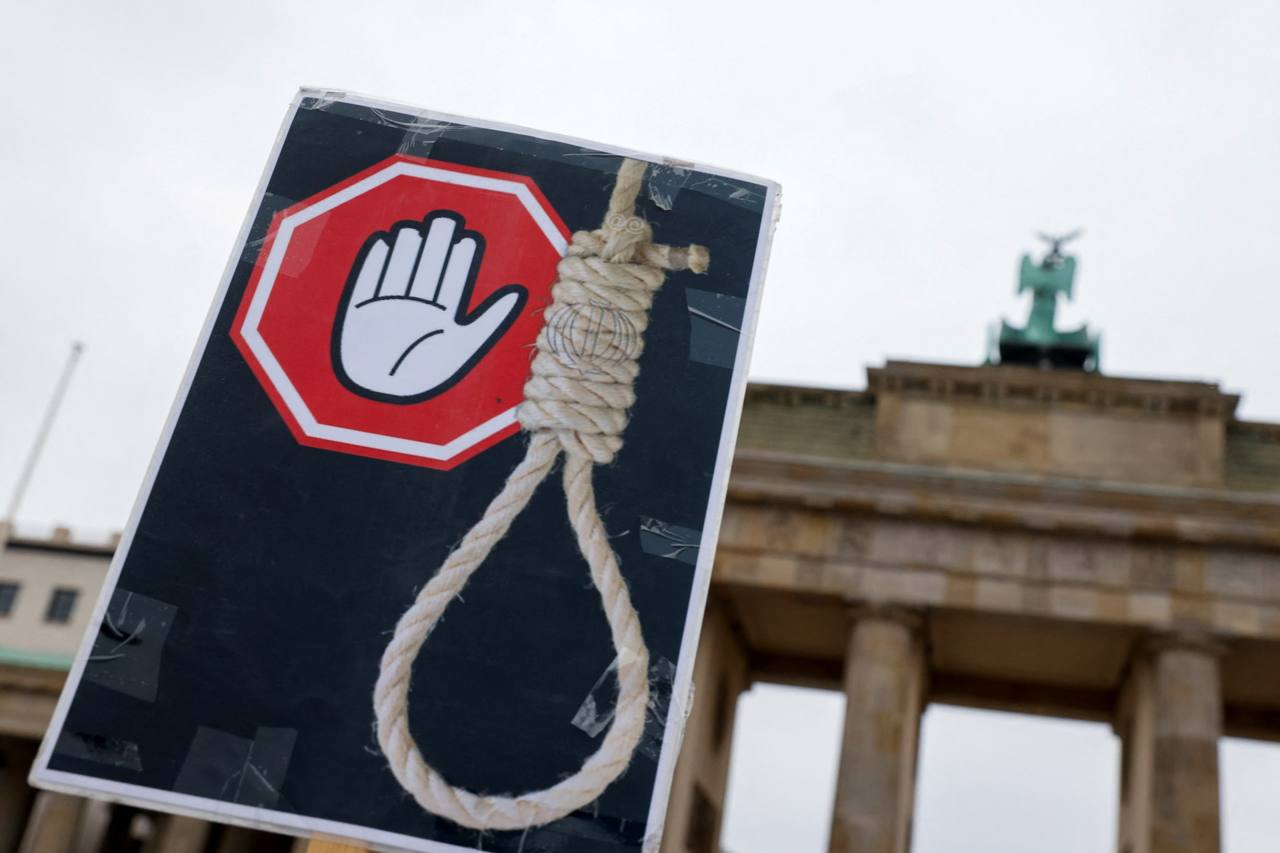
DUBAI, November 3 — Iran executed two men on Tuesday convicted over the killing of four police officers in the central city of Isfahan during protests in January, the semi-official Fars news agency reported, in a Reuters report from Dubai.
Source: Reuters via KWSN (Fars)
Amirhossein Maleki and Amirhossein Ebrahimi were sentenced to death for their alleged role in the killing of security forces on January 8, 2026, and their sentences were upheld by Iran's Supreme Court, Fars said, according to Reuters. The Norway-based organisation Iran Human Rights (IHR) gave their ages as 20 and 19 and said they were hanged over events in Alikhani Square in Isfahan, a centre of protest activity on the nights of January 8 and 9.
Source: Reuters via KWSN (Fars); Iran Human Rights via Newsy People/AFP
What the judiciary said — and what rights groups allege
According to the judiciary's Mizan news agency, cited by IHR's reporting, Maleki and Ebrahimi were convicted over what authorities described as 'brutal and atrocious actions' that led to the death of four police officers, and received capital sentences on charges of 'waging war against God' and 'corruption on earth' — two of the most serious charges in Iran's penal code, which carry the death penalty.
Source: Mizan via Iran Human Rights / Newsy People
IHR alleged that the proceedings were marred by torture, forced confessions and serious violations of due process, and questioned the authorities' justification, saying none of those executed in the case had been charged with murder. The US-based Human Rights Activists News Agency (HRANA), which also confirmed the executions, said defendants and their lawyers had limited access to case files and highlighted allegations that investigators used pressure and torture during questioning. Those are allegations by the rights organisations; Iran's judiciary has not, in the reporting checked for this story, responded to them specifically.
Source: Iran Human Rights; HRANA via Newsy People
IHR further alleged that Ebrahimi was subjected to mock executions and that a minor brother of his was tortured and made to confess against him — an allegation this report repeats only in that attributed form, without naming the minor. Another Norway-based rights organisation, Hengaw, alleged Ebrahimi endured severe physical and psychological torture during interrogation to extract a confession, the IHR report said. Amirsalar Davoudi, a prominent lawyer defending protesters in the case, was arrested in October, according to IHR.
Source: Iran Human Rights; Hengaw via Newsy People
"The scale of torture and violations of due process in this case is appalling," IHR director Mahmood Amiry Moghaddam told AFP. Rights groups describe the hangings as an attempt to intimidate the population following demonstrations they say were suppressed in a crackdown that claimed thousands of lives — again, the rights groups' characterisation, presented here as their allegation, not as a verified toll.
Source: Iran Human Rights via AFP / Newsy People
Background: the January protests and a country now at war
The two men were convicted over the night of January 8, 2026, when Alikhani Square in Isfahan was a centre of the nationwide protests that swept Iran in January. Rights organisations say those protests were put down in a crackdown in which thousands were killed; Iranian authorities have blamed armed unrest and foreign incitement for deaths among both protesters and security forces, and said four police officers were killed in Isfahan that night. Both accounts cannot be reconciled from the reporting available, and this story attributes each claim to its source.
Source: Reuters via KWSN (Fars); Iran Human Rights via Newsy People
The executions land at a moment when Iran is simultaneously fighting and negotiating. The war that began on February 28, when the United States and Israel attacked Iran, continued on Monday night with limited US strikes on Iran's Qeshm Island in the Strait of Hormuz, which President Donald Trump confirmed on Tuesday as a 'minor attack' on an Iranian air-defence system. On the diplomatic track, Qatari mediators travelled to Tehran on Monday night with a draft US-Iran deal, Qatar says both sides are reviewing mediator proposals, and a senior Iranian official told Reuters on Tuesday the two sides remain far from a deal — Tehran says its conditions, including lifting the US naval blockade and oil sanctions and releasing frozen funds, must be met before the Strait of Hormuz reopens and nuclear talks can begin.
Source: Reuters via KWSN; Reuters reporting summarised in this desk's earlier coverage
The Qeshm strike and Trump's confirmation of it were reported earlier on Tuesday, as the midterm-election-day war of words between Washington and Tehran intensified. Read the earlier report: Trump confirms 'minor' Qeshm attack
Why this matters beyond Isfahan
For readers in the Gulf and the diaspora, the executions are a signal about the direction of the Iranian state itself while the war and the talks run in parallel: a government that is asking Washington to lift sanctions and unfreeze funds is, at home, carrying out protest-related hangings at a pace rights groups put at 36 executions connected to a single protest wave. No Iranian official quoted in the reporting checked for this story linked the executions to the war or the negotiations, and no such link should be read into them — but foreign governments and rights bodies weighing any interim Hormuz deal will be reading Tehran's domestic record alongside its negotiating demands, including its seven conditions for reopening the strait.
Source: Iran Human Rights via Newsy People
What is solid
- Iran executed Amirhossein Maleki and Amirhossein Ebrahimi on Tuesday, November 3, convicted over the January 8 killing of four police officers in Isfahan; their death sentences were upheld by the Supreme Court (Fars via Reuters; Mizan via IHR).
- IHR gives their ages as 20 and 19, names the charges as 'waging war against God' and 'corruption on earth', and puts protest-connected executions at 36, with 7 others already executed and 3 more at risk in the same case.
- HRANA independently confirmed the executions.
What is only claimed
- Rights groups (IHR, HRANA, Hengaw) allege torture, forced confessions, mock executions and denial of fair trial and case-file access — allegations the judiciary had not specifically answered in the reporting checked.
- IHR says none of those executed in the case was charged with murder; the judiciary, via Mizan, describes their actions as 'brutal and atrocious' and directly tied to the four officers' deaths.
Three more men in the same Isfahan case remain at risk of execution, according to IHR, which is campaigning against their sentences; their names and any execution dates have not been announced in the reporting checked. International reaction to Tuesday's hangings had not been reported in the sources checked by Tuesday evening, Toronto time. In parallel, Washington and Tehran are expected to respond within days to the Qatar-mediated draft deal on Hormuz — a track that will decide whether the war that forms the backdrop to these executions de-escalates or resumes in force after the US midterms.