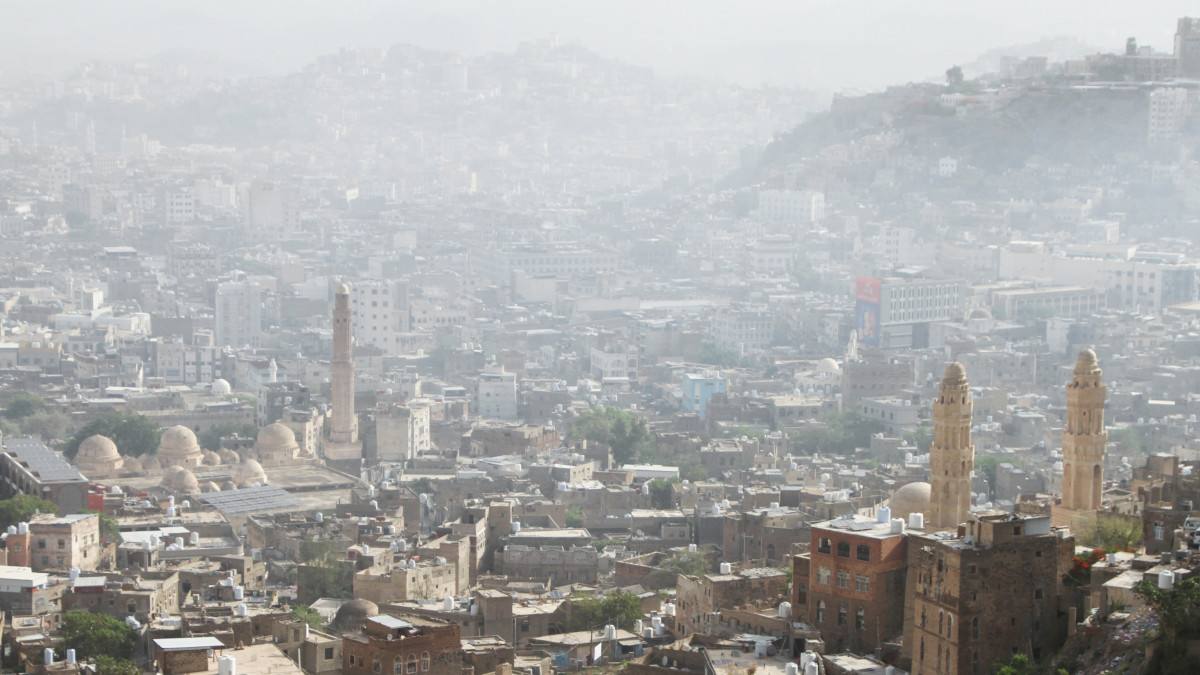
More than 333,000 people have been forced from their homes in Yemen since the beginning of August as the fighting has escalated, including more than 24,000 in the past week alone, the United Nations said on Thursday.
Source: AnewZ reporting UN OCHA
The new OCHA count moves the toll past the World Health Organization figure of 320,849 displaced that this site reported earlier this week, and past OCHA's own earlier count of 290,000. Read the earlier WHO situation report
The International Organization for Migration (IOM) put the total even higher, reporting this week that the number of people displaced by the conflict in Yemen has surpassed 340,000 — about 40,000 more than less than two weeks ago. Abdusattor Esoev, the head of the IOM mission in Yemen, said ongoing hostilities between the Houthi rebels and the internationally recognised government are blocking transport routes and complicating access to assistance, warning that each day aid is delayed puts more families at risk. The IOM said at the beginning of November that it needs $45 million (yaani about 4.5 crore dollars) for the next six months to maintain its operations, and that since August 1 it has supported more than 21,000 families, offered protection to more than 8,200 vulnerable people and carried out more than 70,500 medical consultations.
Source: Demócrata (Europa Press) reporting IOM
The UN Office for the Coordination of Humanitarian Affairs (OCHA) said civilians "continue to pay a heavy price as violence damages health facilities, forces families from their homes, and hinders the work of humanitarians." The UN Human Rights Office has verified 289 civilian casualties since the start of August — 72 people killed and 217 injured. Children accounted for half of those killed, OCHA said, while women and children together made up nearly two-thirds of all casualties.
Health facilities hit
According to the World Health Organization (WHO), a ballistic missile destroyed the Al-Saqiya Health Centre in Lahj province on 1 November, killing three health workers and injuring four. Four days later, two health facilities in the city of Taiz were damaged, putting essential services at risk for around 12,000 people. Since the escalation began, 28 health facilities and seven ambulances have been damaged or destroyed, and 13 health workers have been killed or injured, according to WHO figures cited by OCHA.
Taiz province hosts the largest number of displaced people, estimated at more than 140,000, OCHA said. Movement in the city remains restricted, and local authorities said only a small shipment of around 400 bags of wheat flour was allowed in on Wednesday. Restrictions on access routes have disrupted commercial transport, causing shortages of goods and market instability, while local banks have reportedly limited cash withdrawals.
Despite the difficulties, aid groups have reached more than 255,000 displaced people, most of them women and children. On Tuesday they provided drinking water and storage containers to more than 6,200 people in Taiz and Aden, and delivered 11 trucks of emergency medical supplies to hospitals. OCHA renewed its call for the protection of civilians and for "safe, sustained and unimpeded humanitarian access throughout Yemen", including in Taiz.
The 'Dawn of Yemen' offensive
Since early October, Yemen's internationally recognised government has been carrying out a military operation called "Dawn of Yemen". Presidential Leadership Council Chairman Rashad al-Alimi has said it aims to take state institutions back from the Houthis and regain control of the capital, Sanaa. The operation is part of a wider escalation that began in July, the largest since a UN-brokered truce in April 2022 brought relative calm. Yemen has been at war since the Houthis seized Sanaa and several provinces in September 2014; in March 2015, a Saudi-led coalition intervened to support the government.