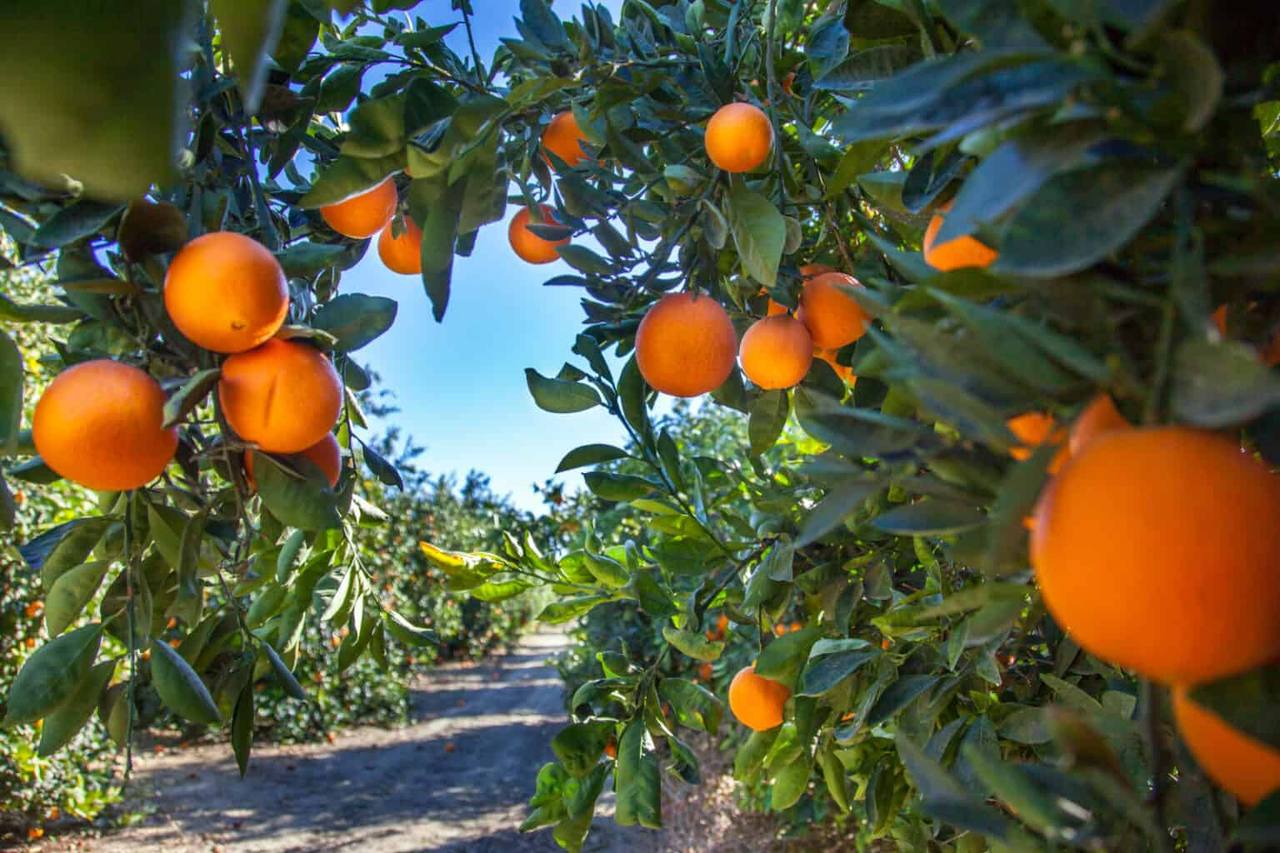
The U.S. Department of Agriculture has expanded the citrus greening quarantine in California by 64 square miles, adding parts of Riverside County to the restricted area with immediate effect.
In notice DA-2026-49, dated November 16, 2026, the USDA's Animal and Plant Health Inspection Service (APHIS), working with the California Department of Food and Agriculture (CDFA), said the expansion covers the Corona, Lake Elsinore and Wildomar areas and affects 16.8 acres of commercial citrus.
Source: USDA APHIS
Why the quarantine grew
APHIS said it acted because a plant tissue sample from a residential property tested positive for Candidatus Liberibacter asiaticus, the bacterium that causes citrus greening, also known as huanglongbing (HLB). The federal action parallels a CDFA intrastate quarantine established on September 17, 2026.
Citrus greening is one of the most devastating citrus diseases in the world. Infected trees produce small, misshapen, bitter fruit and eventually die. There is no cure — the only defence is stopping the disease and the Asian citrus psyllid insect that spreads it.
What the quarantine means
Inside a quarantine area, the movement of citrus plants, fruit and related material is restricted, and growers and residents must follow state and federal rules on moving, treating and disposing of citrus. The action is authorised under the Plant Protection Act and federal regulations 7 CFR 301.76 through 301.76-11.
Trade publication FreshPlaza reported the expansion on November 17, noting the same 64-square-mile figure and the 16.8 acres of commercial citrus affected.
Source: FreshPlaza
Why Central Valley growers are watching
California's citrus industry is worth more than $7 billion in economic revenue, and the Central Valley — Fresno, Tulare and Kern counties — is the heart of the state's citrus belt. Fresno County is already under quarantine for the Asian citrus psyllid itself, and state officials have warned that if the psyllid and the disease take hold in the Valley, export restrictions could follow.
Do not move citrus plants or homegrown fruit out of a quarantine area. Updated quarantine maps are published on the APHIS Citrus Greening and Asian Citrus Psyllid webpage, and CDFA publishes its own boundary maps.
What happens next
APHIS and CDFA will continue surveying and treating in the expanded zone, and officials say further boundary changes will follow new detections. An earlier expansion in September added one square mile around Santa Paula in Ventura County and 10 square miles in Riverside and San Diego counties, covering about 273 acres of commercial citrus.