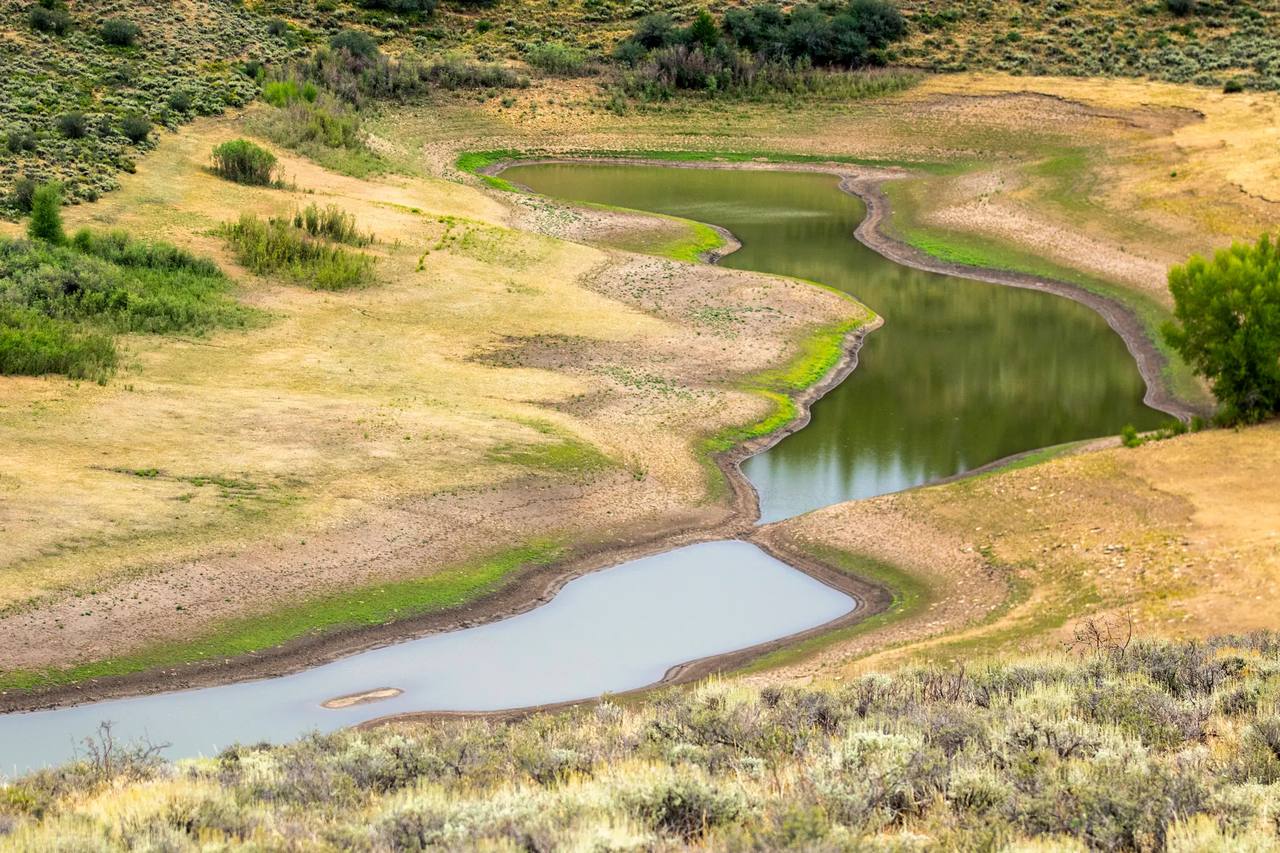
Aurora residents cut their outdoor water use by nearly a third this summer, beating the city's conservation goal — but Aurora Water warned on Thursday night that the city is nowhere near out of the drought, with its reservoirs at just 38% of capacity and tougher restrictions and higher bills on the horizon.
Source: Focal News (The Denver Focal)
The figures were shared at Aurora Water's first annual community water update on Thursday, November 19, at the Aurora Municipal Center, where General Manager Marshall Brown reviewed what he called an unprecedented drought year and laid out what comes next for Colorado's third-largest city.
Reservoirs at 38% — and one is empty
Aurora Water's reservoir summary for November 12 put total storage at 59,387 acre-feet out of 156,411 acre-feet of active capacity — 38% full. The picture varies sharply by reservoir: Aurora Reservoir stood at 21,093 of 31,064 acre-feet (68%), Quincy Reservoir at 83% and Aurora Rampart Reservoir at 86% — but Spinney Mountain Reservoir, the system's largest, held only 13,016 of 53,651 acre-feet (24%), and Jefferson Lake stood at zero.
Source: City of Aurora
Brown told the meeting that forecasts point to an average snow year — not the heavy storms the system needs — and that Stage 1 drought restrictions will therefore remain in place for another year.
Source: Columbus Herald
What Stage 1 means now — and what Stage 2 would bring
Aurora has been under a Stage 1 drought declaration since April 6, 2026, when the City Council set a target of cutting water use by 20%. Under Stage 1, outdoor watering is limited to two days a week on assigned days, with no watering between 10 a.m. and 6 p.m. from May 1 through September 30. Spray irrigation has been banned since October 1 and stays off through April 30, and a City Council ordinance passed on September 28 bans new installations of cool-season turf such as Kentucky bluegrass and fescue. A drought surcharge of $2.15 per 1,000 gallons applies to use above 110% of a customer's winter-quarter average.
Source: City of Aurora
If the winter snowpack falls short, Stage 2 restrictions could be imposed, cutting lawn watering to just one day a week. Stage 3 would ban outdoor watering entirely. Aurora Water spokesperson Shonnie Cline put the stakes plainly: "If we do not end up with a very good snowpack over the winter, we will find ourselves next spring and next summer in much worse shape than we were even in this year."
Source: Focal News (The Denver Focal)
Bills set to rise in 2027
The city is proposing a 3.5% increase in residential water rates and 6.5% increases in sewer and stormwater rates. For a representative three-person household, the combined monthly bill would rise from $101.19 to $105.82 — about $4.63 more a month. The increases would take effect in 2027, subject to final City Council approval. Aurora Water says the money is needed to cover rising operating costs, maintain ageing infrastructure and support essential services, even as conservation reduces how much water residents use.
Source: Focal News (The Denver Focal)
Enforcement has had teeth. Aurora Water has issued 606 fines totalling more than $286,000 since April, along with 4,247 warnings, according to figures Conservation Manager Tim York gave Colorado Politics in October. The conservation is visible in the daily numbers: from October 1 to 5, Aurora used about 32 million gallons of water a day outdoors, against a historical average of 59 million gallons a day for those dates.
Why recovery will take years
Even with an average or good snowpack, Aurora Water said it could take three to five years for the city's water storage to recover. The city describes the drought as the worst the arid West has seen in 1,200 years and says returning reservoirs to sustainable levels "will take time and likely require several wet winters." The pressure is statewide: Colorado moved its drought declaration to Phase 3 in June, and Denver Water's reservoirs sat at 67% of capacity in mid-October against roughly 90% in a normal year — refilling them next spring would take a snowpack above 150% of normal, which Denver Water calls extremely unlikely.
Aurora's nine existing data centres account for about 0.32% of the system's average monthly water use, Aurora Water said — the shortfall is driven by drought, not by new industry. The city is also planning a new reservoir, the Wild Horse Reservoir Project, to add supply in the longer term.
What happens next
City Council must approve the rate rises before they take effect in 2027. The winter snowpack, watched month by month, will decide whether Stage 2 is imposed next spring and summer. Stage 1 stays in place at least through next spring's runoff, sprinklers stay off through April 30, and residents can report water waste through the city's Access Aurora app or website.
For households across the Denver metro — where many Punjabi families live and where truckers run the I-70 and I-25 corridors — the rules and the higher bills land directly on everyday costs: watering is limited to two assigned days a week, the surcharge punishes heavy use, and the proposed rate rises add more than $55 a year to a typical household bill before a single extra litre is used.