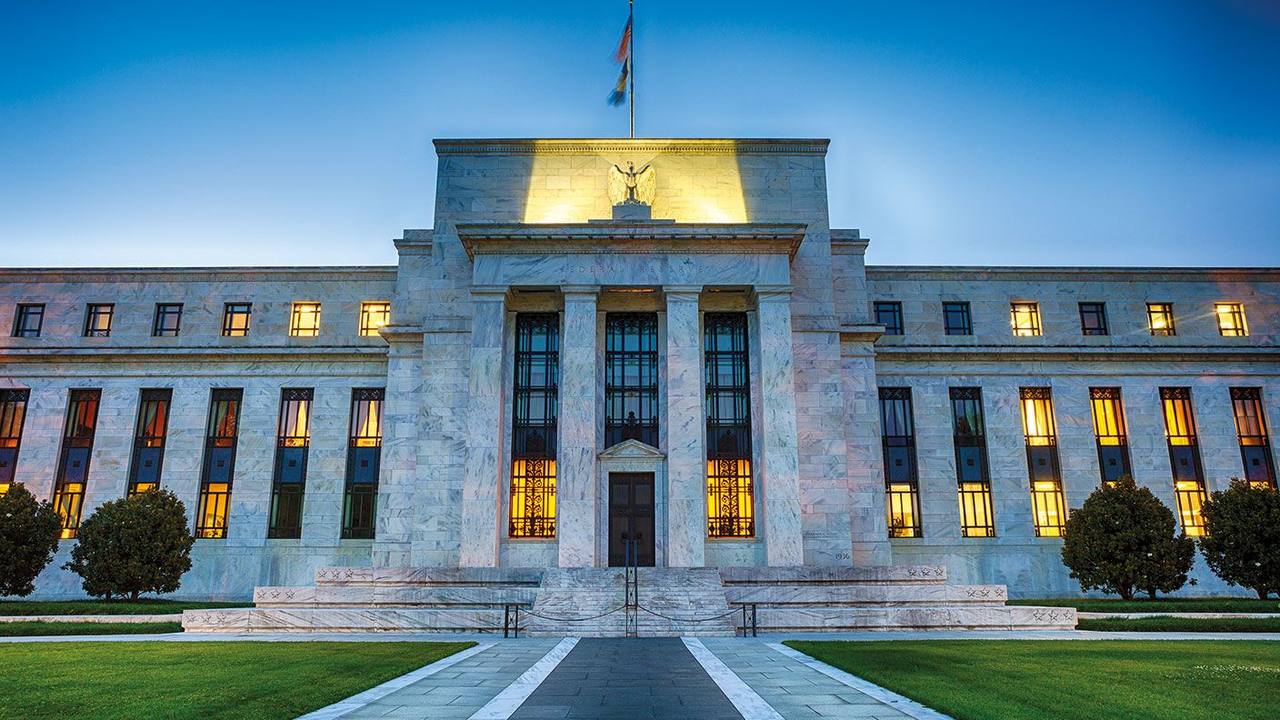
The Federal Reserve's October meeting minutes, released at 2 p.m. Eastern on Wednesday, November 18, show a central bank that held interest rates steady but is leaning clearly toward raising them again — with December now the live decision.
At the October 27–28 meeting, the Federal Open Market Committee voted 10–2 to keep the federal funds rate in a range of 3.75 percent to 4 percent. Governor Lisa Cook and Cleveland Fed President Beth Hammack dissented, preferring a quarter-point increase at that meeting itself.
Source: Transport Topics
What the minutes say
"Almost all participants judged that, under their baseline outlooks for inflation and the labor market, further action to raise the target range for the federal funds rate would likely be appropriate," the minutes said, "in order to ensure a timely return of inflation to the 2 percent objective."
A couple of participants noted that an increase of more than 25 basis points could warrant consideration at the December meeting if incoming inflation data proved unfavourable, and a few observed that inflation could prove more persistent than expected, requiring a more restrictive stance.
Source: dpa-AFX via TradingView
Inflation is still running hot
The Fed's own staff estimated that overall inflation, measured by personal consumption spending, rose to 3.6 percent in September, with core inflation at 3.1 percent. Consumer prices rose 0.4 percent in October and core prices rose 0.3 percent for a third straight month, while wholesale prices climbed at their fastest annual pace since 2022.
Many participants also viewed the artificial intelligence buildout as "a material source of inflation risk," the minutes said — a new worry as heavy spending on data centres and computing ripples through prices.
What it means for borrowers
A December hike would push up borrowing costs across the economy — mortgages, car loans, credit cards and business loans all track the Fed's rate. For Punjabi families buying a first home, for truckers financing a rig and for small shop owners borrowing to expand, the direction of rates is a direct hit on monthly payments.
Fed Governor Christopher Waller told CNBC on November 18 that the Fed should raise rates by 50 basis points in December or signal a much more aggressive path. Fed Chair Kevin Warsh, speaking after the October decision, said officials had "made clear our readiness to act as circumstances require, and we have shown our willingness to act."
The Federal Open Market Committee meets next on December 8–9, 2026. CME Group's FedWatch gauge puts the chance of a rate increase then at nearly 100 percent, with about 94.7 percent on a quarter-point move.
What happens next
The November consumer price report lands before the December meeting, and the minutes stress the decision will turn on incoming data. Interest-rate futures currently suggest investors also expect quarter-point increases in January and another by April. If inflation data disappoints, the minutes leave the door open to a bigger December move.