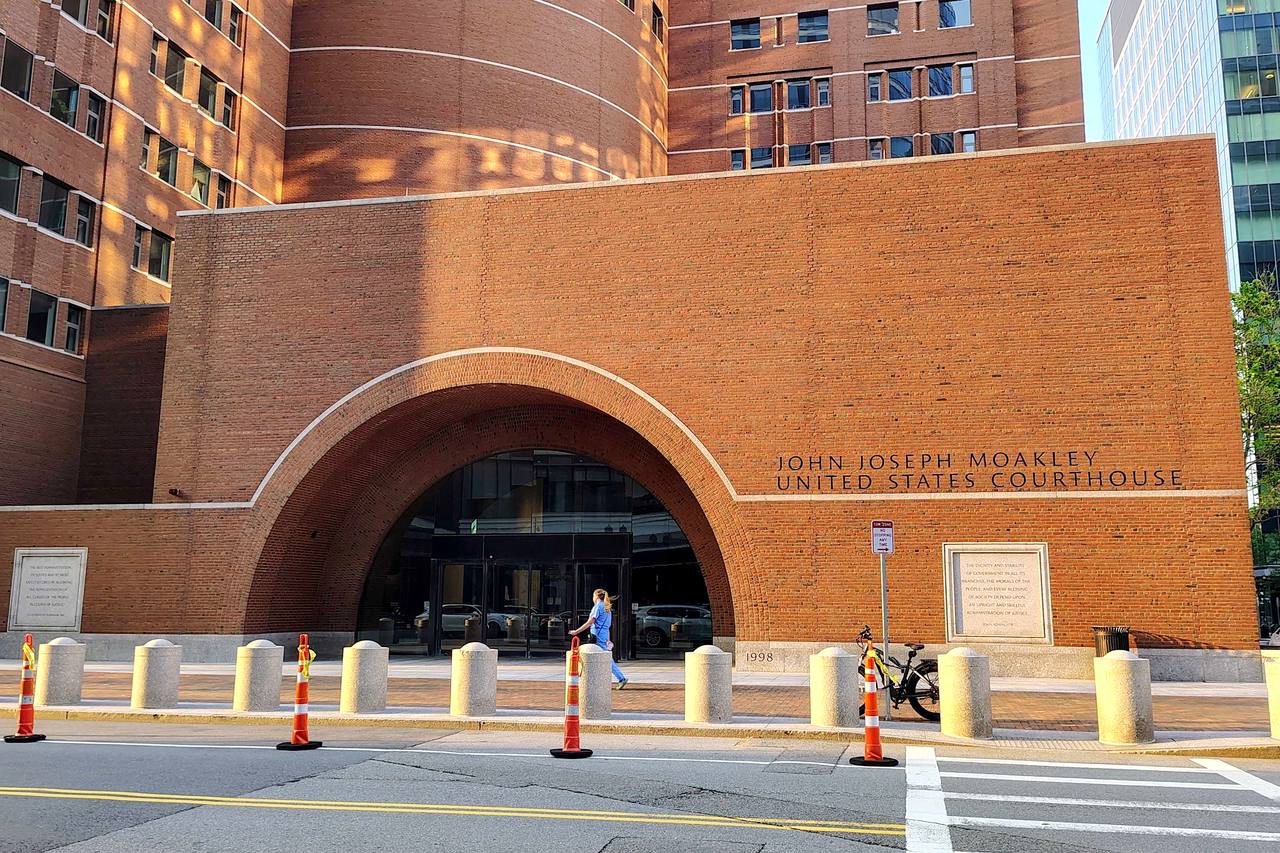
A federal judge in Boston on Friday, November 20, 2026, signalled he may block two Trump administration policies affecting refugees — a freeze on green-card applications and a rule that gives refugees only 10 days to contest the loss of their legal status. U.S. District Judge Myong J. Joun heard arguments in the case in the U.S. District Court for the District of Massachusetts and pressed the government's lawyer on both policies, but he did not rule from the bench.
Source: Law360 — Judge Questions Feds' Need To Speed Refugee Terminations
The case, Partnership for the Advancement of New Americans v. Edlow, No. 1:26-cv-14817, was brought by refugee groups and four individual refugees from Afghanistan, Ethiopia, Colombia and Iran. The plaintiffs say more than 100,000 refugees are at risk from the freeze and the fast-track termination rule, and argue the freeze is not authorised under the Refugee Act of 1980.
What the judge said
Judge Joun questioned whether the government can indefinitely halt the processing of permanent-residence applications for refugees, and said he was struggling to understand why the administration cut the time to contest a possible termination of status from 30 days to 10. Reporting from the hearing says his questions left little doubt about where his scepticism lay — but he has not yet decided whether to issue a preliminary injunction blocking the policies while the case proceeds.
Source: US News Pulse — Boston Judge Weighs Blocking Trump Freeze on Refugee Green Cards and Deportations
The two policies at the centre of the case
The first is a November 2025 memorandum from U.S. Citizenship and Immigration Services (USCIS) Director Joseph Edlow that halted permanent-residence processing for refugees admitted between January 20, 2021, and February 20, 2025, and ordered previously admitted refugees to be re-interviewed and re-vetted — even though they had already been screened, approved and lawfully admitted.
The second is an interim final rule published by the Department of Homeland Security on October 14, 2026 (91 Fed. Reg. 65077), which cut the time a refugee has to respond to a Notice of Intent to Terminate their status from 30 days to 10 days. The rule covers refugees who remain in refugee status and have not yet adjusted to lawful permanent residence.
How the case got here
The lawsuit was filed on October 26, 2026. A day later, U.S. District Judge Julia E. Kobick issued an administrative stay blocking the department from enforcing the 10-day rule through November 6. On November 2, Judge Joun extended that pause by 30 days, through December 4, 2026. Friday's hearing considered whether to keep the 10-day rule blocked beyond that date — and whether to block the green-card freeze as well.
Source: VisaVerge — Judge Weighs Blocking 10-Day Refugee Response Rule
The stay now in force covers termination notices issued between October 14 and October 27 that demanded a reply in fewer than 30 days. It does not reach the green-card hold or the re-vetting of refugee admissions — the two policies Friday's hearing also put before the judge. The government opposed a longer pause on November 13 and opposed class certification on November 16; the plaintiffs filed their reply on November 19.
Judge Joun will now decide whether to issue a preliminary injunction. If he grants it, the green-card freeze and the 10-day rule stay blocked while the case proceeds. If he refuses, the 10-day rule could take effect once the current pause expires on December 4, 2026. Either way, the underlying lawsuit — including whether the freeze is lawful under the Refugee Act — will continue in the Boston court.
Why it matters
For refugees, the stakes are their legal status itself. A refugee who cannot answer a termination notice in time can lose the status that lets them live and work in the United States, and a frozen green-card application leaves families who have waited years in limbo. The plaintiffs include refugees from Afghanistan, Ethiopia, Colombia and Iran, and refugee groups say the policies reach deep into communities across the country — including South Asian families who arrived as refugees and are still waiting to adjust their status.
The case is also being watched closely by immigration lawyers and legal-aid groups. On November 9, 2026, Global Refuge, the International Refugee Assistance Project and Refugee Council USA sent a letter signed by 70 organisations to Homeland Security Secretary Markwayne Mullin and USCIS Director Joseph Edlow, urging the departments to rescind the rule, resume refugee green-card processing and end the re-vetting.
What is solid
- The hearing took place on Friday, November 20, 2026, before Judge Myong J. Joun in Boston.
- The case is Partnership for the Advancement of New Americans v. Edlow, No. 1:26-cv-14817.
- The 10-day rule was published October 14, 2026, as 91 Fed. Reg. 65077.
- The court's pause on the 10-day rule runs through December 4, 2026.
What is only claimed
- Whether the green-card freeze is authorised under the Refugee Act of 1980 — the plaintiffs say it is not; the government defends the freeze.
- Whether 10 days is enough time for a refugee to contest a termination — the plaintiffs say it is not; the government says the shorter deadline is justified.
Judge Joun has not set a date for his ruling. Awaaz Punjab will report the decision when it comes.