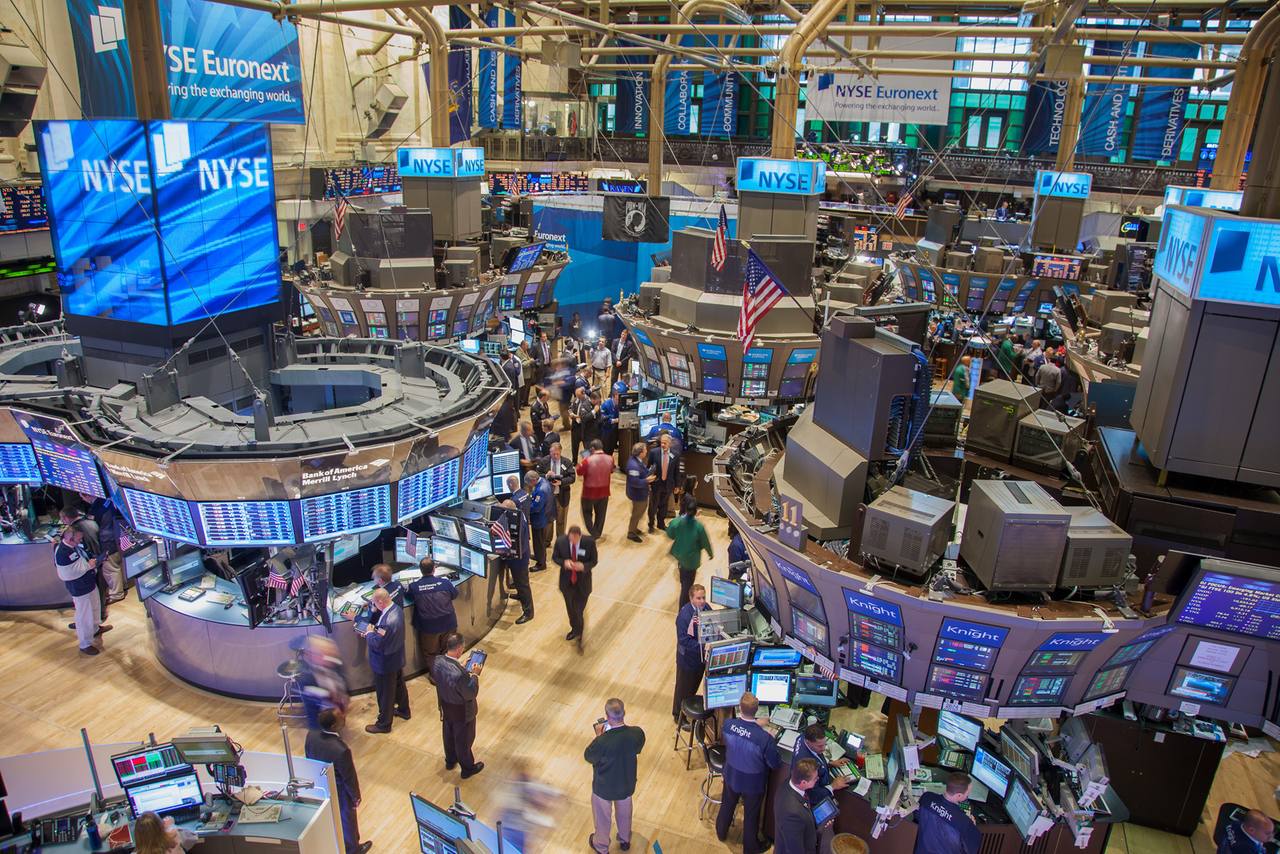
Wall Street closed out a brutal week with a sharp sell-off on Friday, November 20, as shares in artificial intelligence and technology companies tumbled and dragged the whole US market down with them. The Nasdaq Composite plunged 1,261.47 points, or 5.28%, to close at 22,617.73 — wiping out all of its gains for 2026.
The Nasdaq is now down for the year, falling about 2.7% in 2026 so far, according to market data cited by CNBC. The S&P 500 and the Dow have both fallen more than 10% from their recent record closing highs, putting both indexes in what investors call a correction. The S&P 500 is down from its all-time high of October 6.
What drove the sell-off
The selling was led by AI and semiconductor stocks. Nvidia, the chipmaker at the centre of the AI boom, fell about 14% to a 52-week low. Market reports said a report that the US Securities and Exchange Commission is reviewing Nvidia's accounting treatment added to the pressure on the stock and the wider tech sector.
The Dow has now fallen for five straight sessions and the S&P 500 for seven straight — the S&P's longest losing streak since February 2020, according to preliminary data reported by Reuters. For the week, the Dow lost about 8.0%, the S&P 500 about 8.6% and the Nasdaq about 10.0%.
Thursday was already ugly: the Dow fell 1,101 points and closed below 50,000, and the S&P 500 suffered its sixth straight loss. Friday's rout was the sharpest day yet. Read Thursday's report
Bonds and Bitcoin
Investors moved money into safer assets. The yield on the 10-year US Treasury note fell back below 5%, and Bitcoin broke below $60,000 as the sell-off in risk assets intensified, market wraps reported.
What a correction means
A correction is a fall of 10% or more from a recent high. It does not by itself mean a longer bear market, but it marks a sharp break from the record highs Wall Street was setting only weeks ago, and it shows how quickly confidence in the AI trade has cracked.
What happens next
US markets reopen on Monday, when traders will be watching whether the selling continues or buyers step back in, and for any further word from the Federal Reserve and from big technology companies. The S&P 500's worst weekly loss in more than 18 months underlines how much has changed in a week.
Figures in this report are Friday's closing levels as reported by the Associated Press and market-data providers, with preliminary figures reported by Reuters. Sources: Associated Press, TipRanks, InvestingLive, Reuters.
Source: Associated Press