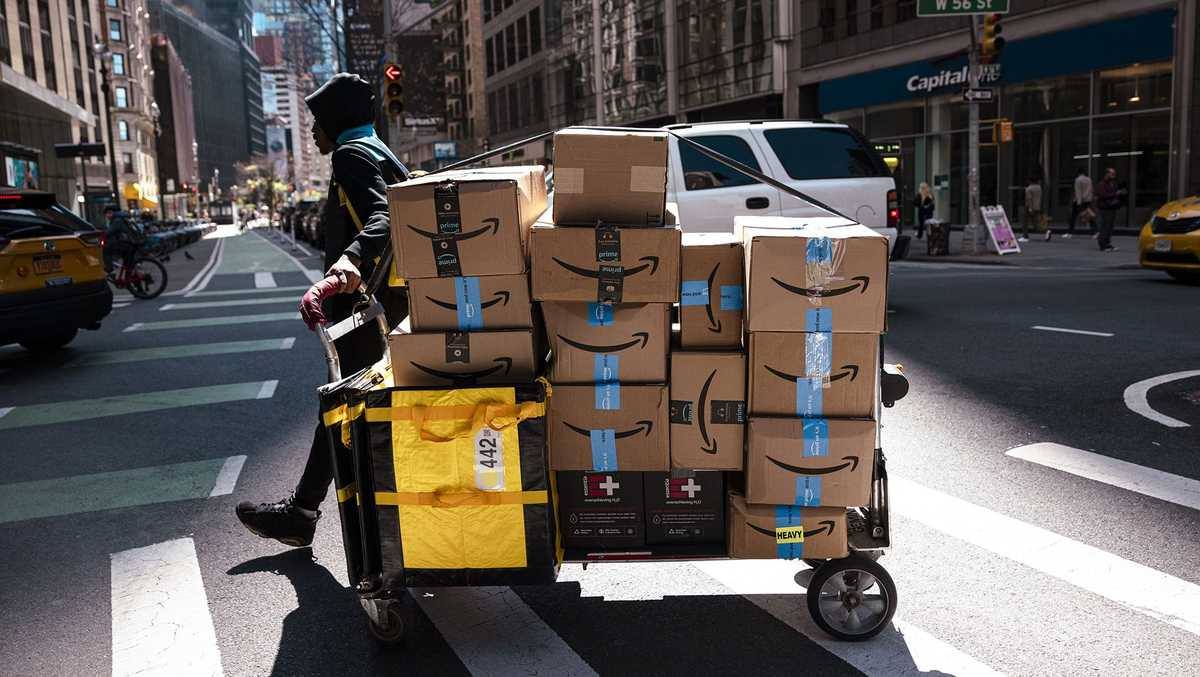
Amazon has warned New York City customers that a City Council bill under consideration could add up to $5 to each order, and said it might be forced to consider moving its delivery operations outside the city if the measure passes. The warning appeared in pop-up messages and banners in Amazon's app and on its website this week, alongside Black Friday deals, urging shoppers to contact their council members and oppose the bill.
The bill at the centre of the fight is Intro 518, known as the Delivery Protection Act, sponsored by Councilmember Tiffany Cabán of Queens. It would require operators of last-mile delivery facilities in the city to hold a licence from the Department of Consumer and Worker Protection and to directly employ the workers who handle and deliver packages, instead of relying on third-party contractors. It would also cover part-time drivers who do more than eight hours of delivery work in any 30-day period, and the workers who sort packages at the stations.
How Amazon delivers in New York today
Today, the person who drops off a package in New York might wear an Amazon vest, drive an Amazon van and be watched by one of Amazon's AI-powered cameras — but their employer is often one of the small businesses Amazon calls Delivery Service Partners. Amazon says it works with more than 40 such local delivery businesses in the city, employing more than 5,000 people, and that the bill would mean it could no longer work with them.
The bill also contains a protection for drivers already doing the work: if Amazon ends a delivery contract to comply with the law and a partner lays off drivers as a result, Amazon would have to offer those drivers their old jobs as its own employees before hiring anyone else — on terms at least as good as the ones they had before.
City Hall pushes back
Mayor Zohran Mamdani, who backs the bill, answered Amazon on X, writing: “Amazon is a multi-trillion dollar company. If Jeff Bezos adds $5 to your order, it's not because of the City Council's efforts to protect workers' rights and keep our streets safe. It's greed.”
City Council Speaker Julie Menin called Amazon's campaign deceptive, saying: “If Amazon thinks this deceptive campaign will effectively threaten New Yorkers and intimidate this City Council, they are dead wrong.” Menin said the council is crafting legislation that regulates Amazon and protects workers “without impacting prices or jobs”, and said she is open to changing the bill — possibly dropping the ban on third-party delivery companies and instead licensing and regulating warehouse operations.
The bill itself contains no per-order charge, and Amazon's message does not explain how it arrived at “up to $5”. Amazon has pointed to a study by consulting firm AKRF estimating the legislation would raise annual costs for city households by $409 to $664. The warning covers groceries as well as packages, so it would reach Amazon and Whole Foods Market orders.
Intro 518 has 35 sponsors — well above the 26 votes needed to pass — but it has stayed in the Committee on Consumer and Worker Protection since a hearing in April. Two stated meetings remain on the council calendar this year, on December 3 and December 17, and for the bill to get a vote on December 3 it would have to appear on the agenda by November 25. Negotiations between Menin, Amazon and the Teamsters — who support the bill and have been working to organise Amazon delivery and warehouse workers — are continuing, with the direct-employment requirement still part of the talks.
A rally by supporters of the bill was held at City Hall on Thursday, with Mamdani, Teamsters General President Sean O'Brien and Cabán expected to join delivery workers and labour leaders, according to local reports. The bill also adds worker training standards and extra safety protections, and Cabán has said it would require a $500 licensing fee every other year.
Why this fight matters beyond New York
The dispute is being watched well beyond the five boroughs because it tests whether a city can force the country's largest online retailer to directly employ the people who carry its packages to the door. Other companies could feel the effects too: FedEx and DoorDash also use contractors for last-mile deliveries in the city. And New York has been here before — when the city set a minimum pay rule for food-delivery app workers, average delivery fees rose by about two-thirds, from $4.05 to $6.73.
For New Yorkers, the practical stakes are immediate. Amazon said moving its operations outside the city would likely mean slower and more expensive delivery for millions of customers, and the company says it is trying to work with the council — it has invited every council member to visit its delivery stations. For the many Punjabi families in the city who rely on Amazon and Whole Foods deliveries, and for the delivery drivers themselves, the outcome will decide both what a delivery costs and who signs the driver's paycheque.
What is solid
- Intro 518 would require licensing of last-mile delivery facilities and direct employment of delivery workers.
- Amazon warned New York customers the bill could add up to $5 per order.
- The bill has 35 council sponsors and remains in committee.
What is only claimed
- Whether orders would actually rise by $5 — Amazon presents it as the cost of compliance; Speaker Menin calls the claim deceptive and says the bill is being crafted without impacting prices or jobs.
What happens next: the December 3 agenda deadline on November 25 is the first test. If the bill appears on the agenda, the council could vote within days; if talks produce a compromise — for example, dropping the contractor ban in favour of licensing warehouse operations — the fight could shift to a revised text. Either way, Amazon's warnings will stay in front of New York shoppers through the Black Friday weekend.