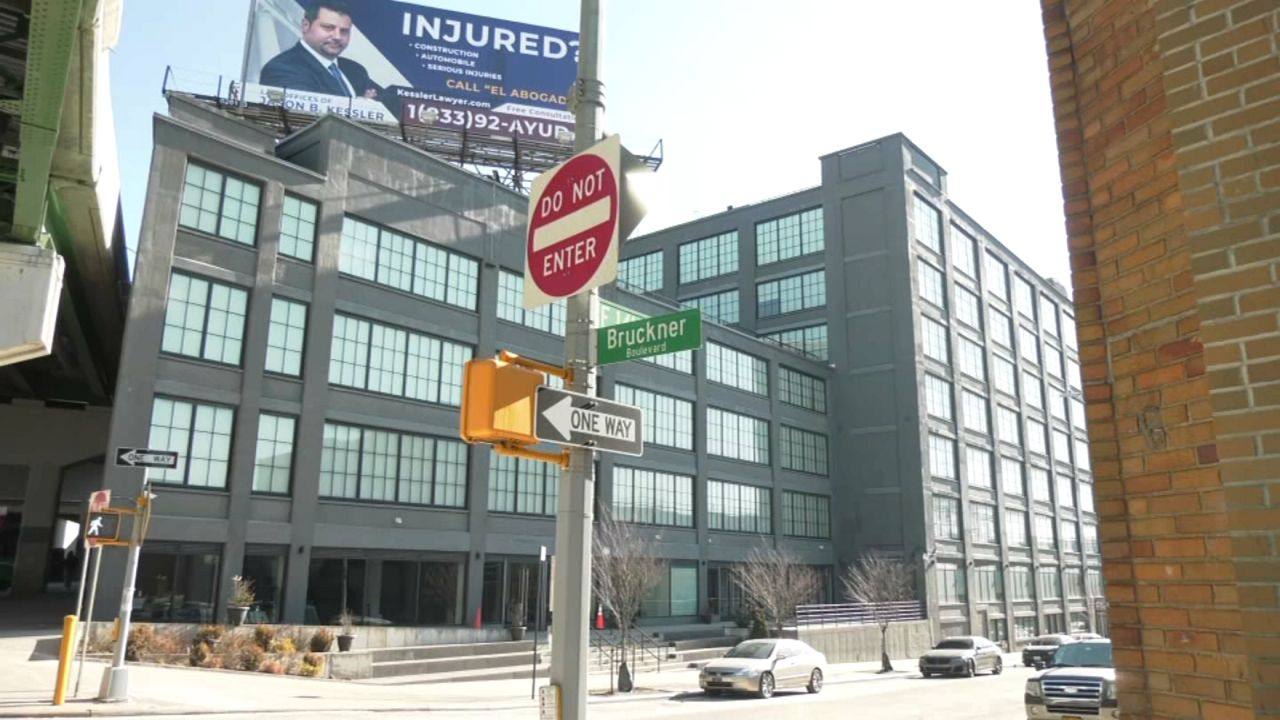
New York City has closed the last migrant shelter in the city — the 2,200-bed Bruckner shelter in the Bronx — and told the federal judge overseeing the fight over its residents' records that the immigration subpoena at the centre of the case is now moot, because there are no residents left to identify.
Source: Gothamist
Lawyers for the city filed the letter in court late on Thursday night, November 19. "There will be no more residents living inside of Bruckner, and the site is officially closed," Mayor Zohran Mamdani said in a statement. "Our administration believes that every homeless New Yorker should not only have access to shelter but to spaces that are safe, humane and truly livable. We cannot accept a system that treats people without dignity or stability."
On November 6, U.S. District Judge Lewis Kaplan ruled that New York City must comply with an ICE subpoena for the names and birth dates of certain Bruckner residents with serious criminal histories, screened by a special master. Read the earlier story
What the city told the judge
The city's letter argues that the closure ends the dispute: with the shelter shut and its population moved out, there is nobody left whose name or birth date the subpoena could cover. But the federal government still plans to pursue the subpoena, The New York Times reported, leaving the legal fight in limbo until Judge Kaplan rules on whether the case is moot.
Source: New York Explained
City officials said some of the men who had been living at Bruckner left and found housing or moved in with friends, while others were relocated into the city's regular municipal shelter system. It is not clear how many residents were still living there in the final weeks before it closed — but as recently as this summer, the shelter was still home to about 1,500 residents, many of them migrants from Latin America or West Africa.
The shelter at the centre of the fight
The Bruckner shelter, at 825 East 141st Street on Bruckner Boulevard in the Mott Haven section of the South Bronx, was a converted warehouse run by the Mayor's Office of Housing Recovery Operations. It opened in February 2025 as an emergency shelter for single adult migrant men, and at its peak it housed as many as 2,000 men — many of them moved out of the troubled Randall's Island tent city. It was the city's last Humanitarian Emergency Response and Relief Center, the large-scale emergency shelters created under former Mayor Eric Adams to house the surge of asylum seekers.
The shelter's population had been shrinking all year: city data put it at 1,670 residents in February, and more than 1,400 single adult men were still there at the end of June. Residents had complained about poor conditions, including bad food and bed-bug infestations, and neighbours in Mott Haven had objected to the site since it opened.
The judge's order that started this
On November 6, U.S. District Judge Lewis A. Kaplan issued a 12-page order requiring the city to comply with the ICE subpoena. The subpoena seeks the names and birth dates of certain male residents with "serious criminal histories" — not the whole roster. Under the ruling, a court-appointed special master would screen the list first and pass on only the residents who match. "The City has not shown that producing this list would be unduly burdensome," Kaplan wrote, finding the records "material and relevant to the enforcement of the federal immigration laws."
Source: New York Post
The fight goes back to August 6, 2025, when ICE first asked for shelter records — then under Mayor Adams — covering two city-run shelters. The city refused, calling the request "an improper fishing expedition lacking any legitimate investigative purpose." ICE has filed four subpoenas since August, and the dispute reached federal court in December 2025. Mamdani, who took office on January 1, 2026, kept up the fight, saying in early November that "our city will not assist in immigration enforcement" under its sanctuary laws. His administration had been weighing whether to appeal Judge Kaplan's order.
What ICE says it wants — and what happens next
In a sworn affidavit, an ICE official said the agency was aware of 20 immigrant residents of the shelter who had entered the country illegally, and 12 who had been charged with a "serious" criminal offense. The crimes named in the subpoena range from murder and rape to burglary and assault of a law enforcement officer. ICE says the names, birthdays and records are relevant to an investigation into whether any of the men are in the country illegally and subject to deportation.
What happens now is up to Judge Kaplan. He has not yet ruled on the city's claim that the closure makes the subpoena moot, and the federal government has signalled it will keep pursuing the records. The city can also still appeal the November 6 order. The special-master process the judge ordered — two weeks were given to work out how it would run — is now in limbo along with the subpoena itself.
The Bruckner fight is the sharpest test yet of New York's sanctuary-city limits: when the city will not hand over records voluntarily, ICE has turned to administrative subpoenas, and a federal judge has now backed that tool — narrowed by a special master — at least once. The closure does not end that question; it moves it to the next shelter, the next subpoena, and the next court ruling. Thousands of migrants and asylum seekers still live in the city's shelter system, and the same federal pressure applies to them.
The closure also closes a chapter. The Bruckner site was the last of the roughly 250 emergency sites the city opened at the peak of the migrant arrivals, when more than 240,000 people were housed in shelters, tent cities and hotels across the five boroughs and upstate. Mamdani signed an executive order directing agencies to phase out the remaining emergency migrant shelter by the end of 2026 and bring other facilities into compliance with city rules, including a 200-resident cap. With the migrant population falling, the city has been shutting the sites one by one — Bruckner was the last.