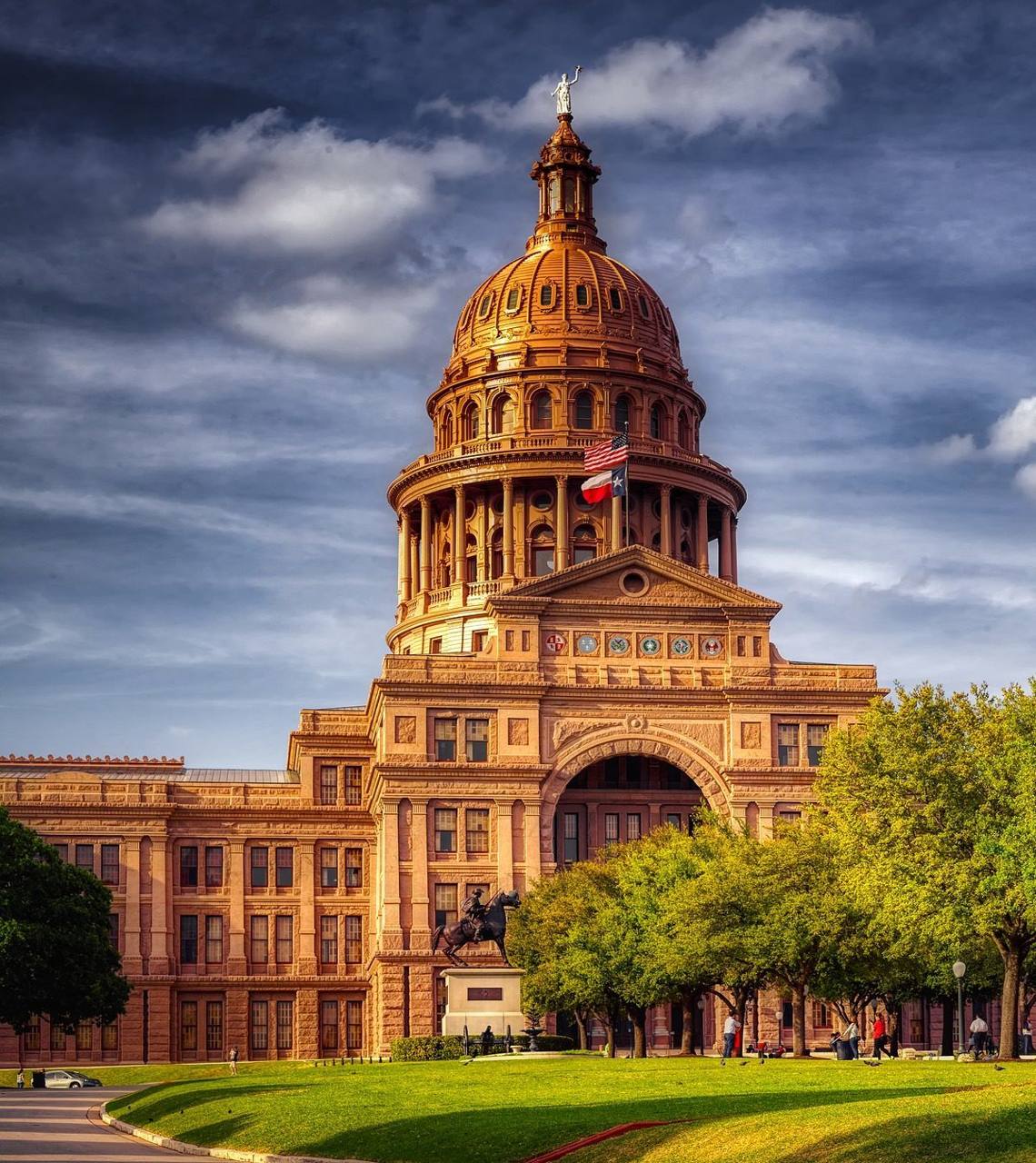
The Texas Supreme Court on Friday declined to hear a challenge to the sweeping 2023 law critics call the “Death Star” bill, leaving the statute in force across Texas. A group of cities — Houston, San Antonio and El Paso — had asked the court to overturn a lower-court ruling upholding the law’s constitutionality. For now, that lower-court ruling will stand.
Source: The Texas Tribune (via San Antonio Current)
The law, House Bill 2127, is formally known as the Texas Regulatory Consistency Act. Enacted in 2023 and in effect since September 1 of that year, it bars cities and counties from adopting local rules that go further than state law in eight broad areas — agriculture, business and commerce, finance, insurance, labor, local government, natural resources and property. Critics dubbed it the “Death Star” bill because of how widely it reaches into local government.
Source: Hamilton Brief
What the court decided — and what it did not
The justices denied review without hearing arguments. They did not rule on whether House Bill 2127 violates the Texas Constitution. The decision leaves in place the July 2025 ruling of the Austin-based 3rd Court of Appeals, which threw out the cities’ lawsuit on procedural grounds — finding that Houston, San Antonio and El Paso had not shown how the law had injured them or why the state was to blame for that injury. Standing, not the merits, decided the appeal.
Source: Hamilton Brief
The case has been moving through the courts for more than three years. A Travis County judge ruled the law unconstitutional in August 2023 but allowed it to take effect. Officials in Houston, San Antonio and El Paso then sued the state, arguing the law conflicts with the part of the Texas Constitution that enables cities to enact their own laws. The 3rd Court of Appeals overturned the trial judge’s ruling, and Friday’s order closes the last pending court avenue for the cities that challenged it.
Source: The Texas Tribune (via San Antonio Current)
What has already changed on the ground
The law was long sought by Governor Greg Abbott, Republican lawmakers and business lobbying groups, who argued it was needed to stop cities and counties from adopting policies that could harm business owners and the state’s economic growth. Since it took effect, local ordinances regulating noise levels and car towing have fallen off the books, and rules such as water breaks for construction workers and payday-lending ordinances were blocked.
Source: The Texas Tribune (via San Antonio Current)
Local officials have complained that the law is so broad it is nearly impossible to know exactly which ordinances and regulations might now be illegal for a city to adopt. They also say it has stopped them from pursuing policies they worry could draw lawsuits under the law, because private citizens can sue cities under the statute.
Source: The Texas Tribune (via San Antonio Current)
Construction-worker water breaks were among the local protections wiped out by the law — a direct hit on outdoor workers in Texas heat. The labor-code reach of the statute is a big reason worker groups and the three big-city governments fought it in court.
What happens next: the repeal fight moves to the Capitol
With Democrats now in charge of the Texas House and in statewide office, lawmakers will seek to repeal the Death Star bill when the Legislature convenes in January. Governor-elect Gina Hinojosa wants to see the law repealed, she told The Texas Tribune this week. State Senator José Menéndez, a San Antonio Democrat, has pre-filed Senate Bill 120 to repeal House Bill 2127 outright.
Source: The Texas Tribune (via San Antonio Current)
Repeal will likely face stiff resistance in the Texas Senate, where Republicans remain in the majority. Nothing changes until a new law passes and a governor signs it — so the 2023 statute remains the rule book, and the 3rd Court’s decision remains the final judicial word on it, unless another case reaches the courts.
Source: Hamilton Brief
For readers in Houston, San Antonio and El Paso — three of the most diverse cities in Texas, home to large immigrant and Punjabi communities — the ruling means city halls still cannot go further than state law on housing, work rules, lending and the other five covered areas. Any change will now have to come from Austin, not from city council chambers.