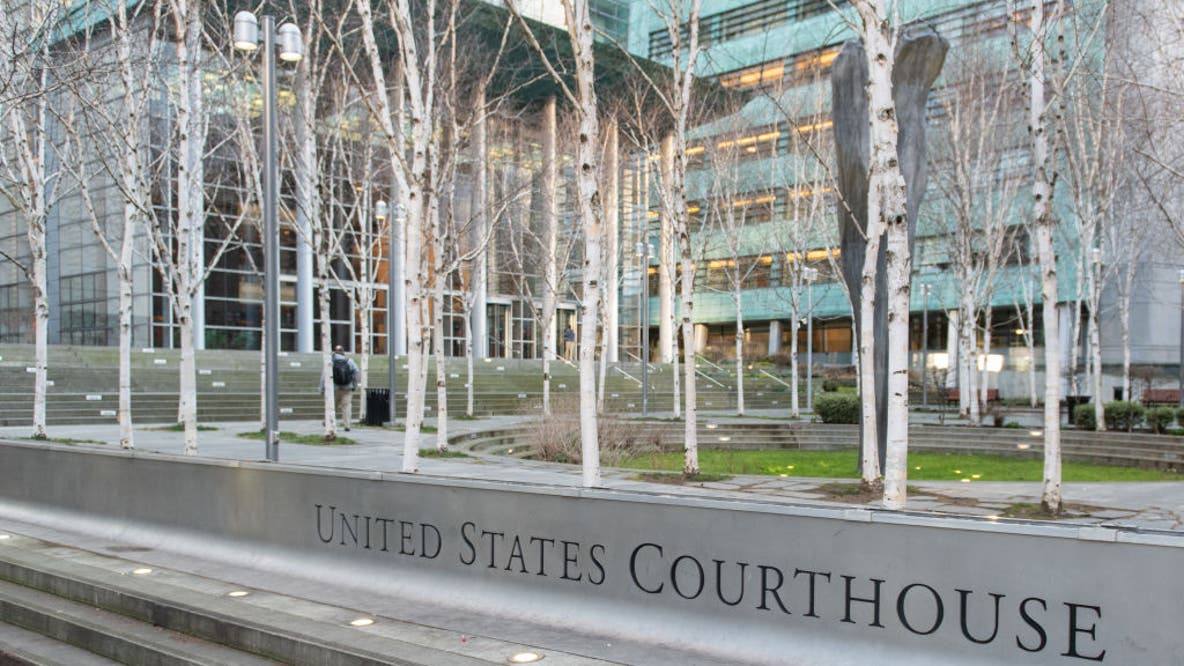
The U.S. Attorney's Office for the Western District of Washington announced on Tuesday, November 17, that it will once again assign lawyers to represent the federal government in every case in which an immigrant challenges their detention in federal court, reversing a decision made late last month that had alarmed federal judges in Seattle.
Source: Associated Press
Acting U.S. Attorney Charles Neil Floyd, a former immigration judge, had written to Chief U.S. District Judge David Estudillo in late October that his office was overwhelmed by a surge of habeas corpus petitions filed by detained immigrants and did not have enough staff to handle them all. The challenges, brought as habeas corpus petitions, typically prompt litigation that can include numerous hearings, motions and responses.
Why judges pushed back
The decision raised concerns on the bench that without government attorneys present, court orders to release certain detainees might not be communicated to the Department of Homeland Security or carried out. U.S. District Court Clerk Joshua Lewis said in an emailed statement: “The Court is pleased that the U.S. Attorney’s Office will be appearing in every immigration habeas case and facilitating communications with the parties it represents.”
The reversal was announced on Tuesday, and in one case on Wednesday the office filed what it called an “abbreviated return” — acknowledging the detainee’s petition and making clear the federal government did not intend to contest it, instead asking the court to rule on the basis of the detainee’s petition and any related filings.
The cases behind the surge
The move comes as courts nationwide handle tens of thousands of challenges to ICE detention under the Trump administration’s immigration crackdown. U.S. border czar Tom Homan recently told Fox News that courts are burdened by roughly 85,000 immigration habeas cases. In western Washington, judges have ruled hundreds of times that ICE unlawfully re-arrested immigrants who had been detained, released pending deportation proceedings, and then taken into custody again when they showed up for appointments, noted Matt Adams, legal director for the Northwest Immigrant Rights Project.
A habeas corpus petition is a detainee’s request for a federal judge to decide whether their detention is lawful. For immigrants, it has become one of the main legal tools for challenging detention while a deportation case is still open — and the volume of filings has grown sharply as enforcement has expanded.
Whether immigrants living in the U.S. are entitled to a hearing challenging their detention in immigration court while they contest deportation is currently before the Supreme Court. Its answer will shape how much protection detainees get while their cases are pending.
What happens next
Floyd’s office said it will once again assign staff to appear in court on behalf of the federal government in all immigration habeas cases. In cases where the government does not intend to fight a petition, it may continue filing abbreviated returns, letting the judge decide on the detainee’s filings alone. Immigrant-rights lawyers in Washington will be watching whether the staffing promise holds as filings keep coming — and whether release orders now reach detention officials without delay.
For immigrant families in Washington, including many Punjabi and South Asian households in the Seattle area, the reversal restores a basic check on detention: a government lawyer in the room, and a court order that has someone on the federal side to receive it. The underlying fight — over who can be detained, for how long, and with what chance to challenge it — is still open, and now heads toward the Supreme Court.