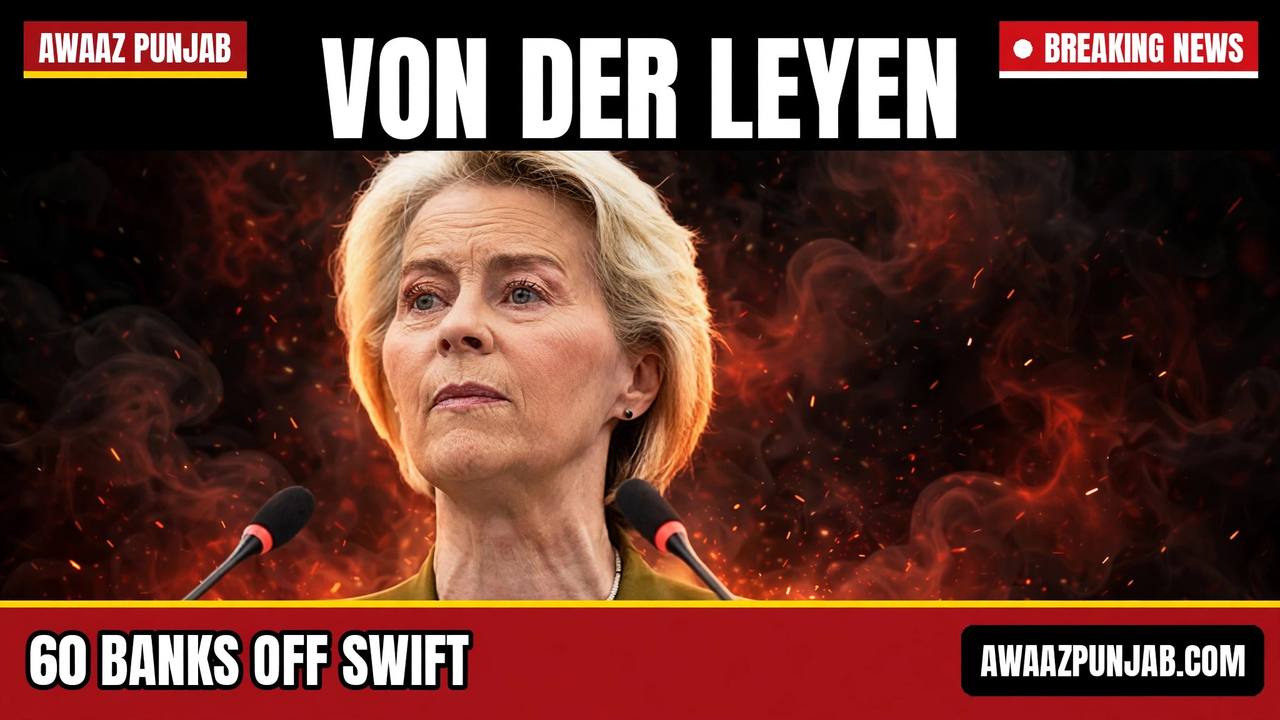
The European Commission has proposed its 22nd package of sanctions against Russia since the full-scale invasion of Ukraine began, targeting about 60 more Russian banks for removal from the SWIFT payment system, cracking down on crypto networks used to dodge sanctions, and listing more than 70 additional shadow-fleet oil tankers.
Source: Associated Press
On November 12 we reported that Commission President Ursula von der Leyen had told a Dublin audience the 22nd package would be presented before the November 26-27 European Council. On Monday she presented it in Strasbourg, with the full contents now public. Read the earlier story
Commission President Ursula von der Leyen presented the proposal in Strasbourg on Monday, November 23. "With this package, we are increasing the pressure. We are striking harder at Russia's ways to finance its war, by targeting its banks and crypto platforms," she said, adding that the EU is "giving Ukraine the strength to secure peace and giving Russia every reason to choose it."
Source: Associated Press
On banks, the package would extend the EU's transaction ban to about 60 more Russian banks, and all of them would be removed from SWIFT, the messaging network banks use to send payment instructions. More than 100 Russian banks are already under an EU transaction ban after earlier packages. The Commission also wants to crack down on the crypto and payment networks Russia uses to evade sanctions, including networks operating in third countries, calling that a major focus of the new package and creating a Crypto Sanctions Task Force to support the work.
Source: Reuters
On energy, the package extends the EU's energy-services ban to electricity services for the first time and would bar European companies from helping to build, operate or repair Russian energy infrastructure, including oil refineries damaged by Ukrainian drone strikes. It would also ban tankers insured in Russia and close EU ports to them. More than 70 additional vessels from Russia's so-called shadow fleet, used to move oil around the price cap, would be added to the sanctions list.
Source: Associated Press
The package also carries a visa ban for Russians who fought in Ukraine, who the Commission says pose a security risk to Europe, and restrictions on Russian participation in sport: Russian teams and athletes would be barred from competing under the Russian flag at events in the EU, the display of official Russian symbols would be banned, and financial flows from Russian sponsors to European-based sports and cultural associations would be restricted.
Source: Reuters
This is still a proposal, not law. It must be endorsed by all 27 EU member countries before it can enter into force, and EU ambassadors began discussing it on Tuesday. European officials want agreement by December, and the package is expected to be a focus at the leaders' summit on November 26-27. The last big listing, just over a month ago, targeted almost 1,600 Russian officials and companies linked to the arms industry.
Source: Associated Press
German Chancellor Friedrich Merz warned ahead of the summit that Russia is escalating tensions across Europe and beyond, saying Moscow is seeking more than Ukraine and pointing to pressure in the Baltic region, in Poland, in the Black Sea and even in outer space. Ukraine, meanwhile, is pressing the EU to go further than the 22nd package, urging sanctions on the state nuclear company Rosatom, on alumina sales and on maritime services.
Source: Associated Press
What happens next
EU ambassadors will keep negotiating the package this week, with the November 26-27 summit the first big test of whether all 27 capitals can agree. If adopted, the 60 banks would be cut off from SWIFT and the new shadow-fleet listings would take effect, tightening the financial squeeze on Moscow as the war approaches its sixth year. Any single member state can block the package, so the December target date is ambitious rather than certain.
Source: Reuters