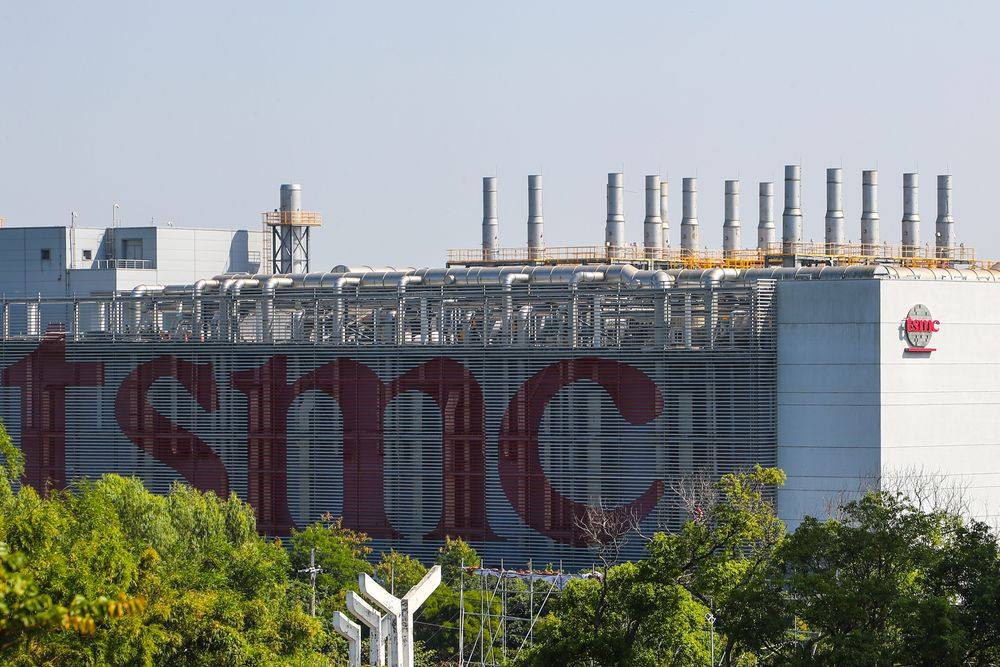
Taiwan's TSMC is tightening restrictions on Chinese chip designers, suspending some previously permitted advanced manufacturing orders and generally limiting affected customers to older chipmaking technology, Reuters reported on Thursday, citing two people familiar with the matter.
Source: Reuters
The world's largest contract chipmaker has instructed that affected orders using manufacturing processes of 16 nanometres and below be halted unless customers obtain US export licences, the two people said. Chinese designers will generally be limited to older 28-nanometre and 40-nanometre processes, provided their chips do not use high-bandwidth memory or require advanced packaging, according to TSMC guidance reviewed by the two people.
Source: Reuters
The restrictions follow new US Commerce Department rules that took effect on Thursday, removing a compliance route that had allowed some Chinese designers to access advanced manufacturing services without individual export licences.
Source: Reuters
The Financial Times first reported on Thursday that TSMC and South Korea's Samsung Electronics had suspended some chip shipments to Chinese customers following the new restrictions. The shipments can resume only once new licences are secured, according to accounts of the FT report.
Source: Financial Times, via mlq.ai
The US Commerce Department's Bureau of Industry and Security published the interim final rule, titled 'Addressing Remote Access to Advanced Semiconductors', in the Federal Register on November 19, with immediate effect. The rule removes two of the three routes a foundry could use to show that a chip from a designer in China or another restricted destination falls outside US AI chip controls.
Source: US Commerce Dept / mlq.ai
A US government list of approved chip designers includes Nvidia, AMD, Apple and the Taiwanese companies MediaTek and Realtek — but no mainland Chinese firms, Reuters reported.
Source: Reuters
The move could close one of the last remaining routes for Chinese companies to produce powerful AI processors, complicating Beijing's efforts to develop domestic alternatives to chips designed by Nvidia and manufactured by TSMC.
Source: Reuters
Some Chinese AI chip designers still had access to TSMC's 7-nanometre manufacturing technology before Thursday, a separate source with direct knowledge of the matter said. Reuters said it could not independently verify the arrangements under which those chips were manufactured.
Source: Reuters
What happens next
The suspended orders and shipments can resume only once the affected customers secure new US export licences, according to the reports. The next test is whether Washington grants those licences — and how Beijing answers the latest tightening of the controls.
In short, Thursday's rule change shuts a door Chinese AI chip designers were still using — and the next moves belong to Washington's licensing officers and to Beijing.