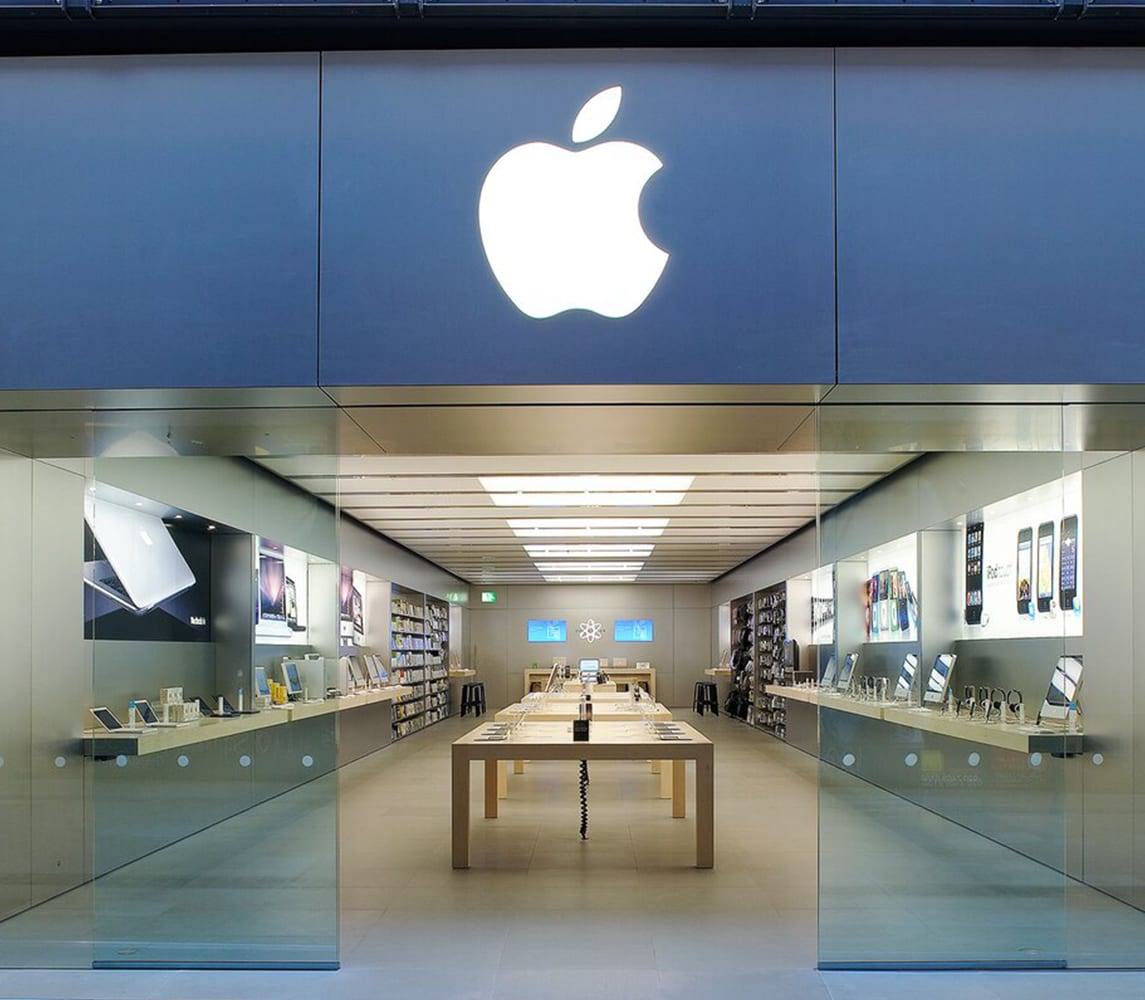
The British government has been forced to admit that it secretly ordered Apple to give police and intelligence services access to its customers' encrypted data, after a London tribunal ruled on Thursday, November 19, that the order could no longer be kept hidden. The Investigatory Powers Tribunal rejected the Home Office's claim that confirming the order would damage national security, finding that the government had already confirmed it — repeatedly, and in public.
Source: Reuters
The order is a Technical Capability Notice, or TCN, issued under the Investigatory Powers Act 2016. Such notices can require technology companies to change their services so that police and intelligence agencies can reach users' data. The Home Office had insisted on a policy of neither confirming nor denying that one had been issued to Apple. Three judges found that the government had not followed its own policy at all.
Source: Computer Weekly
A secret order the whole world already knew about
The tribunal found that Home Office officials had briefed journalists at The Times and the Financial Times confirming the order, discussed it with US government officials, and even gave Apple permission to brief Washington about it. The former US director of national intelligence, Tulsi Gabbard, posted about it on X in August 2025 in a post that passed three million views. 'The cumulative effect was that anyone with even a passing interest in the topic would already know that the Home Office had served a technical capability notice on Apple,' the judges ruled — adding that anyone could find the answer by typing the question into Google's chatbot.
Source: Computer Weekly / TechCrunch
The first notice, issued in January 2025, reportedly demanded access to end-to-end encrypted iCloud data belonging to Apple customers worldwide. It leaked to the Washington Post the following month, drawing fierce objections from the Trump administration and US lawmakers, who argued it would put Americans' privacy at risk. Rather than comply, Apple withdrew its Advanced Data Protection service — the opt-in feature that extends end-to-end encryption to iCloud backups, Photos and Notes — for new users in Britain on February 21, 2025, saying: 'We have never built a backdoor or master key to any of our products and services and never will.'
Source: TechCrunch
The order that is still live
After months of negotiations with Washington, the first order was dropped. But in July 2026 Britain issued a second notice, reportedly narrowed to cover only the data of British nationals. Apple launched a fresh legal challenge against it — and it is that second order which is now the live dispute. The Home Office confirmed the existence of a notice after Thursday's ruling, saying the powers are subject to strict safeguards, that the government never has access to a company's communications systems or data, and that the aim is bringing criminals to justice.
Source: Reuters / TechCrunch
Apple, Privacy International and the rights group Liberty are challenging the Home Secretary's power to issue such notices at all. Liberty, which brought the challenge on behalf of two individuals, said it was the first known time a government has been compelled to confirm the existence of a secret technical order. Apple told TechCrunch it welcomes the decision to make the order public.
Source: TechCrunch
What is solid
- The Investigatory Powers Tribunal ruled on November 19, 2026 that the Home Office must acknowledge the Technical Capability Notice issued to Apple.
- The first notice was issued in January 2025 and later dropped after US intervention; a second, narrower notice followed in July 2026.
- Apple withdrew Advanced Data Protection for new UK users on February 21, 2025 rather than comply.
What is only claimed
- Whether the live order reaches beyond British users' data — it is reportedly narrowed to UK nationals, but the precise technical requirements remain sealed in private judgments the tribunal said cannot be disclosed.
- Whether the powers are proportionate — the government says they have strict safeguards and target criminals; Apple and rights groups say no backdoor can be limited to law enforcement alone.
The ruling decides only whether the order's existence can be acknowledged — not whether the order itself is lawful. That trial is not expected until next year, and much of the case will now be heard in open court.
For the millions of Apple users in Britain — including the large Punjabi community there — the practical effect is unchanged for now: Advanced Data Protection remains unavailable to new UK users, and the question of whether the government can compel access to encrypted cloud data will be fought in public next year. What changed on Thursday is that the government can no longer pretend the order might not exist.
Source: Computer Weekly