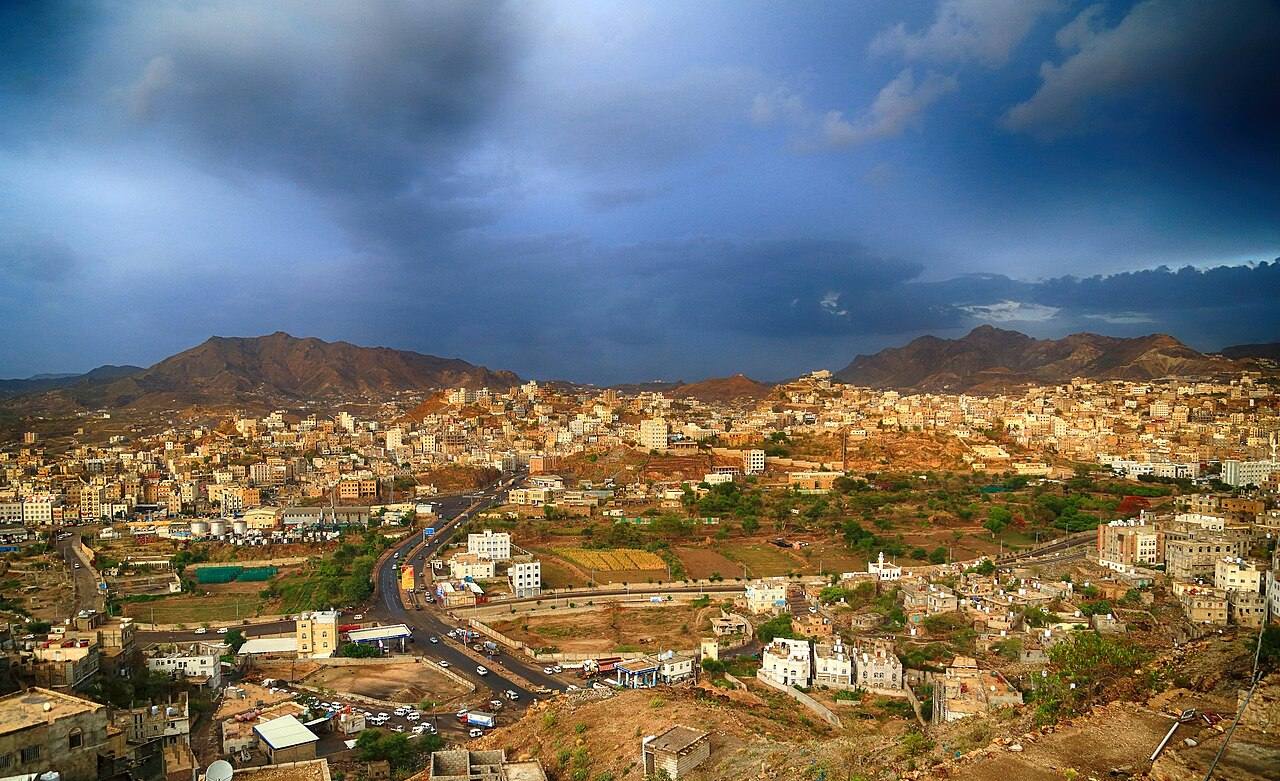
In the Yemeni city of Taiz, ringed by jagged mountains and Houthi fighters, a mother has only one way to soothe her frightened child when the explosions start — she tells him the blasts are "just fireworks". The BBC, which reached seven people still trapped inside the city, reports that Taiz — Yemen's third-largest city, home to between 600,000 and one million people — was fully encircled by Houthi forces last month and has been cut off from the outside world ever since.
Source: BBC News
Local government officials say 148 civilians have been killed by Houthi attacks since August, according to the city's Office for Siege Affairs. The BBC notes that estimates of the death toll vary widely, and the figure could not be independently verified.
Source: BBC News
A city cut off
Only a minimal amount of food can get into Taiz, residents told the BBC, and prices for staples such as rice, sugar and cooking oil have doubled or even trebled. Essential supplies — medicine, water and fuel — are dwindling. Schools are closed and restaurants shuttered. Rubbish is trapped inside the city alongside the people, and when residents try to burn it, the toxic smoke hangs over the neighbourhoods.
Source: BBC News
The health system is collapsing. Taiz Governor Nabil Shamsan told the BBC that hospitals in the city have lost 70 percent of their capacity and 120 health centres have closed. An emergency-room doctor, identified only as Yaser, said that among the war wounded recently brought to his hospital were four children shot by Houthi snipers, who he said usually aim for the head and chest. Two of the four children died.
Source: BBC News
"Funerals heading to the cemeteries have become the defining scene in Taiz, around the clock," Governor Shamsan said. "The people of Taiz are losing their lives due to supply shortages, lack of food, and loss of income. Every single day, we bury dozens of Taiz residents."
Source: BBC News
Denial, and a strategic prize
Houthi leader Abdul Malik al-Houthi has denied that Taiz is besieged, but the city's government, humanitarian agencies and the United Nations say an effective blockade continues. Taiz has long been a prize in Yemen's civil war: Houthi forces reached its outskirts in 2015 and have laid siege to it from three sides since. The city is the gateway to Aden — the temporary seat of the internationally recognised government — and to southern Yemen.
Source: BBC News
The encirclement is part of a wider escalation. The fragile peace in Yemen shattered with the 2026 offensives, in which Houthi forces captured territory around Bab el-Mandeb and advanced on several fronts, while launching missile and drone attacks against Saudi Arabia. The BBC reports that nearly 350,000 people have been displaced by the fighting in recent months, and maps based on the Institute for the Study of War and the AEI Critical Threats Project show Houthi-held areas expanding around Taiz between August and November.
Source: BBC News
Awaaz Punjab reported in October that Taiz was already cut off and its hospitals were at breaking point, with hundreds of war wounded arriving in a single week. Read our earlier report on Taiz hospitals
There is no sign of relief for the city. Aid agencies say only a trickle of supplies is getting through, medical stocks could run out within weeks, and the siege is deepening a humanitarian crisis in a country where millions already depend on aid. For the wider region, the fighting around Taiz also keeps the Red Sea and Gulf shipping lanes under pressure, with Houthi advances and attacks on Saudi Arabia raising the risk of a broader escalation.
Source: BBC News