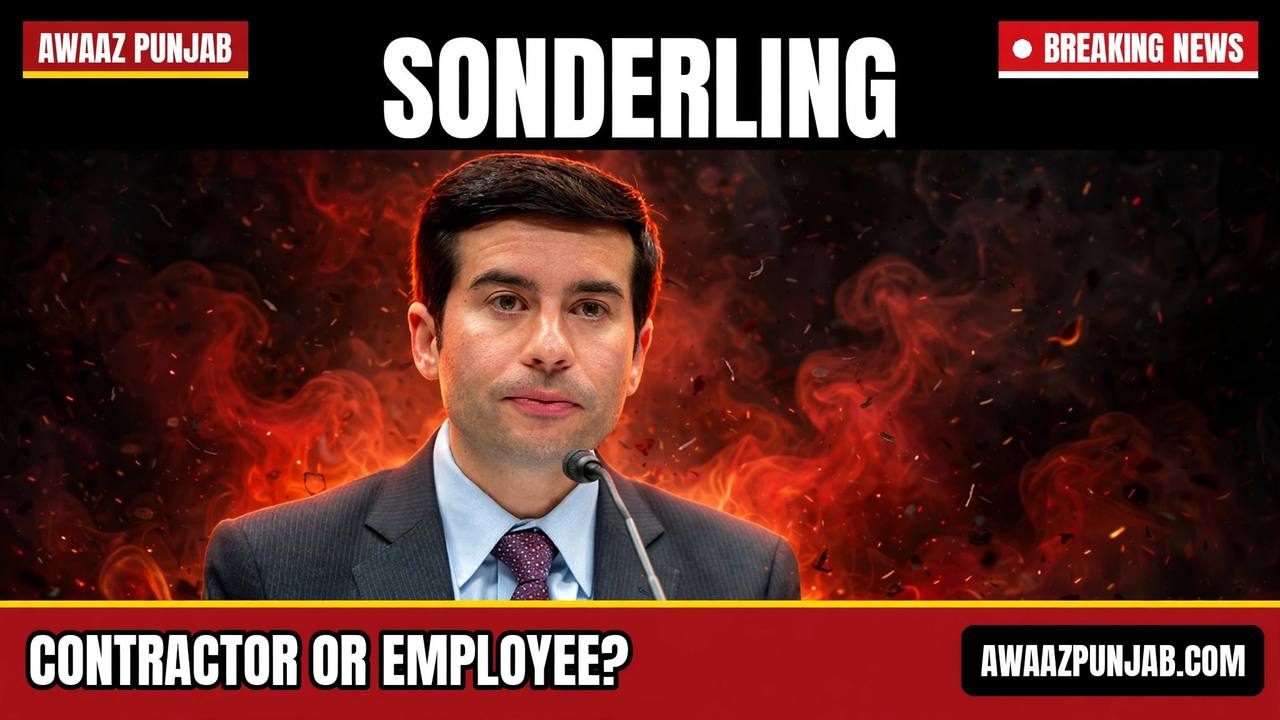
The U.S. Department of Labor on Thursday, November 19, 2026, announced a final rule that rewrites how the government decides whether a worker is an employee or an independent contractor under federal wage law. The rule rescinds the 2024 regulations put in place under former President Joe Biden and replaces them with a streamlined “economic reality” test, substantially similar to the framework the department adopted in 2021.
Source: U.S. Department of Labor
What the new test asks
The final rule asks one central question: is the worker in business for himself or herself, or is the worker economically dependent on a potential employer for work? The first kind of worker is an independent contractor; the second is an employee. The department says the analysis turns mainly on two core factors: the nature and degree of control over the work, and the worker’s opportunity for profit or loss based on initiative or investment. Other factors may still be considered, but the department describes them as less probative.
The same analysis will now apply under the Family and Medical Leave Act and the Migrant and Seasonal Agricultural Worker Protection Act, both of which use the Fair Labor Standards Act’s definition of employment. The rule does not change how workers are classified under other federal laws, including the Internal Revenue Code, and it does not preempt state or local laws — so state tests, such as California’s ABC test, still apply alongside the federal one.
“The Labor Department finalized a new rule to ensure that every American worker who chooses to work for themselves as an independent contractor has the freedom to do so,” Secretary of Labor Keith Sonderling wrote in an opinion article published on November 19. He said the rule gives “greater clarity to both workers and employers.”
Why this matters for truckers and gig workers
The classification question reaches deep into the working lives of millions of Americans, and it matters directly to the Punjabi diaspora: owner-operator truck drivers, delivery drivers, freelance workers and small contractors all work under arrangements that depend on where the line between employee and independent contractor is drawn. Classification decides who gets minimum wage and overtime protections, who pays for their own equipment and insurance, and who bears the risk when work dries up.
For businesses, the new rule is meant to end years of whiplash. A company hiring the same driver or courier under the 2021 test, the 2024 test and now the 2026 test could have reached three different answers. The department says the restored test is simpler to apply, and it published 14 fact-specific examples showing how the factors work in real situations — including workers who set their own schedules, supply their own tools and take on more than one client.
A rule that has flipped twice in five years
The test has changed hands with the administrations. At the end of President Donald Trump’s first term, the department finalized a 2021 rule built on a 2019 guidance letter written by Sonderling when he was acting administrator of the Wage and Hour Division. That rule said workers in business for themselves are independent contractors and workers economically dependent on an employer are employees. The Biden administration replaced it in 2024 with a broader “totality-of-the-circumstances” analysis that weighed six or more factors more evenly, a change business groups said made contractor status harder to defend.
After Trump returned to office in 2025, the department moved to restore the 2021 framework. It published a notice of proposed rulemaking on February 27, 2026, and received more than 16,000 comments during the 60-day comment period, including from independent contractors who said the Biden-era rule had been frustrating and punishing. Thursday’s announcement makes the restored test final.
The change does not end misclassification disputes. In a separate case reported the same day, a California federal judge gave final approval to a $17.5 million settlement in which Bimbo Bakeries USA agreed to pay distributors who said they had been misclassified as independent contractors — a reminder that wage claims can still proceed under other laws and in the courts.
What happens next
The final rule text is published in the Federal Register, and the department has published an updated Fact Sheet 13 explaining the new analysis. Employers are expected to review their contractor arrangements against the two core factors, and workers who believe they have been misclassified can still pursue claims under state law and other federal statutes. Because the rule does not override state tests, a worker can be an independent contractor under federal law and an employee under a state’s stricter test at the same time — a split that keeps the classification fight alive in the states even as Washington settles its own standard.