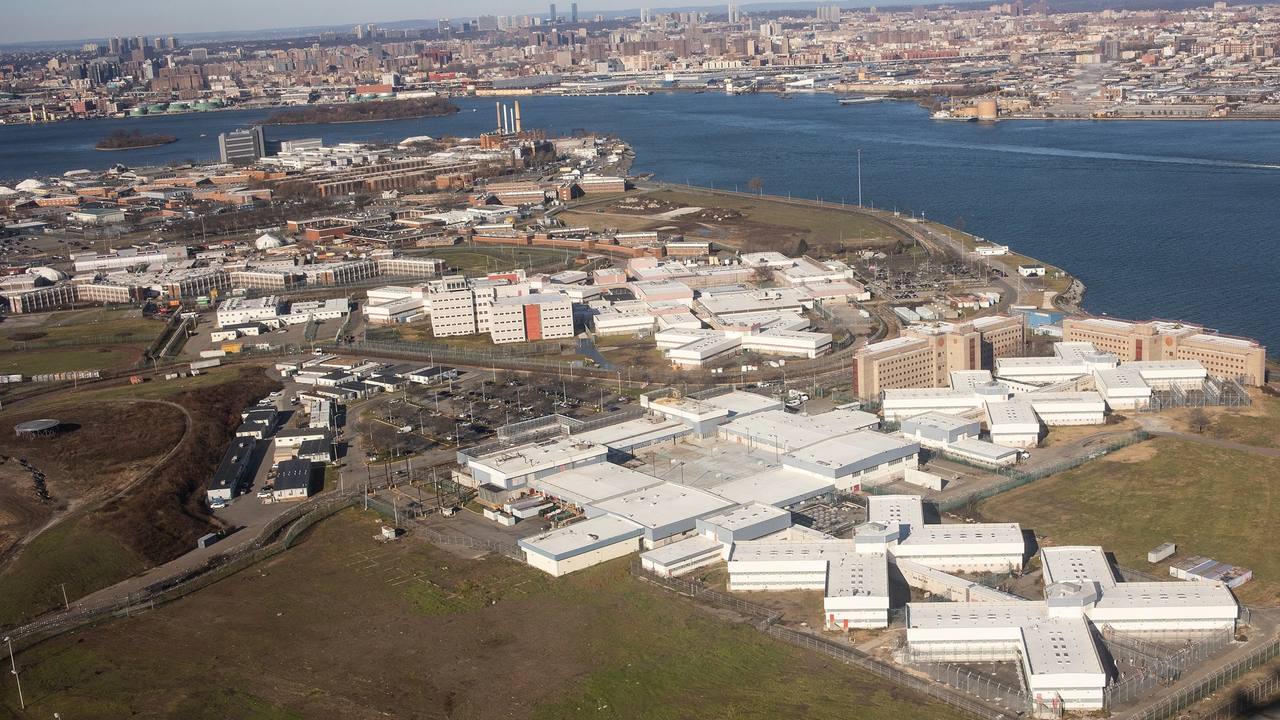
New York City unveiled a plan on Friday to close the Rikers Island jail complex by 2032, setting a new target date for shuttering the notorious facility that has housed jail inmates since the 1930s. Mayor Zohran Mamdani announced the plan, saying the city finally has momentum to close the jail for good.
What the plan promises
The plan hinges on substantially reducing the number of people kept behind bars — from the more than 6,500 people housed at Rikers now to around 4,500. The Mamdani administration is proposing a new slate of diversion and supervised release programs, expanding housing and social services to prevent recidivism, restoring an online bail payment system and reducing case delays. The city's plan invests more than $250 million across the next several years in efforts to reduce the jail population.
A new timeline — five years past the legal deadline
In 2019, the New York City Council voted to close the jail complex and replace it with four smaller, more modern jails by 2027. The city is all but certain to blow past that legal requirement. According to City Hall, the borough jails are expected to open in Brooklyn in 2029, in the Bronx and Queens in 2031, and in Manhattan in 2032. Together, the new jails will hold about 2,000 fewer people than the approximately 6,600 people Rikers holds now.
Instead of housing prisoners on Rikers — an island in the East River near LaGuardia Airport — the city will shift people to jails in the Bronx, Queens, Brooklyn and Manhattan, as well as a handful of medical facilities for people who need healthcare or psychiatric treatment. The city also plans to reduce the number of beds for women, diverting them into community-based programs.
"It is time to finally close Rikers Island. For decades, New Yorkers have demanded a correctional system that is safe and humane. We have a legal and moral obligation to close Rikers. Working alongside the City Council, Courts and nonprofit partners, we will meet it — for the people in our custody, the staff who serve them, victims of crime, and every New Yorker."
Why Rikers has resisted closure for decades
For years, Rikers Island has stood as a symbol of dysfunction, with the network of jails so plagued by violence and overcrowding that a federal judge, citing "abnormal and unacceptable" conditions, appointed an outside manager to restore order and implement reforms. When the City Council voted to close the complex in 2019, local lawmakers invoked the names of former prisoners who died there, including Kalief Browder, who took his own life at age 22 after being held for three years at Rikers.
The longstanding plan to build new jails has met pushback, including from Mamdani's predecessor, former Mayor Eric Adams, who opposed federal oversight and borough jails. Critics of shrinking the jail population have argued it would mean more violent criminals on city streets. At the last Board of Correction meeting of the year, Public Advocate Jumaane D. Williams warned that over the past 30 days the average daily jail population was 6,637, while the capacity of the borough-based jails was just over 4,000 — and that this year has already seen the ninth death in Department of Correction custody.
What is solid
- Mayor Mamdani announced the closure plan on Friday, November 20, 2026, with a 2032 target date
- The borough jails are scheduled to open in Brooklyn in 2029, the Bronx and Queens in 2031, and Manhattan in 2032, according to City Hall
- The plan invests more than $250 million in reducing the jail population
What is only claimed
- Whether the jail population can be cut from more than 6,500 to around 4,500 fast enough to meet the 2032 date
- Whether diversion, supervised release and expanded services can keep the city safe while the population falls — critics have warned about violent offenders returning to the streets
What happens next
Work toward closure is already under way. The administration has permanently closed the North Infirmary Command, a vacant jail that first opened in 1932, and transferred large portions of the George Motchan Detention Center and the Anna M. Kross Center to the Department of Citywide Administrative Services — the first such property transfers since 2021. Dana Kaplan has been named the city's Close Rikers Czar to oversee the transition. Construction continues on the new Brooklyn jail, where the last piece of structural steel was installed this week, and the city must keep cutting the jail population year by year if the 2032 date is to hold.