New York Attorney General Letitia James sued the owner and the renovation contractor of a former Holiday Inn in downtown Rochester on Thursday, November 19, 2026, accusing them of trafficking immigrant workers. She also sued IHG Hotels & Resorts, the company behind the Holiday Inn brand, saying it knew the workers were going unpaid and kept profiting from the renovation anyway.
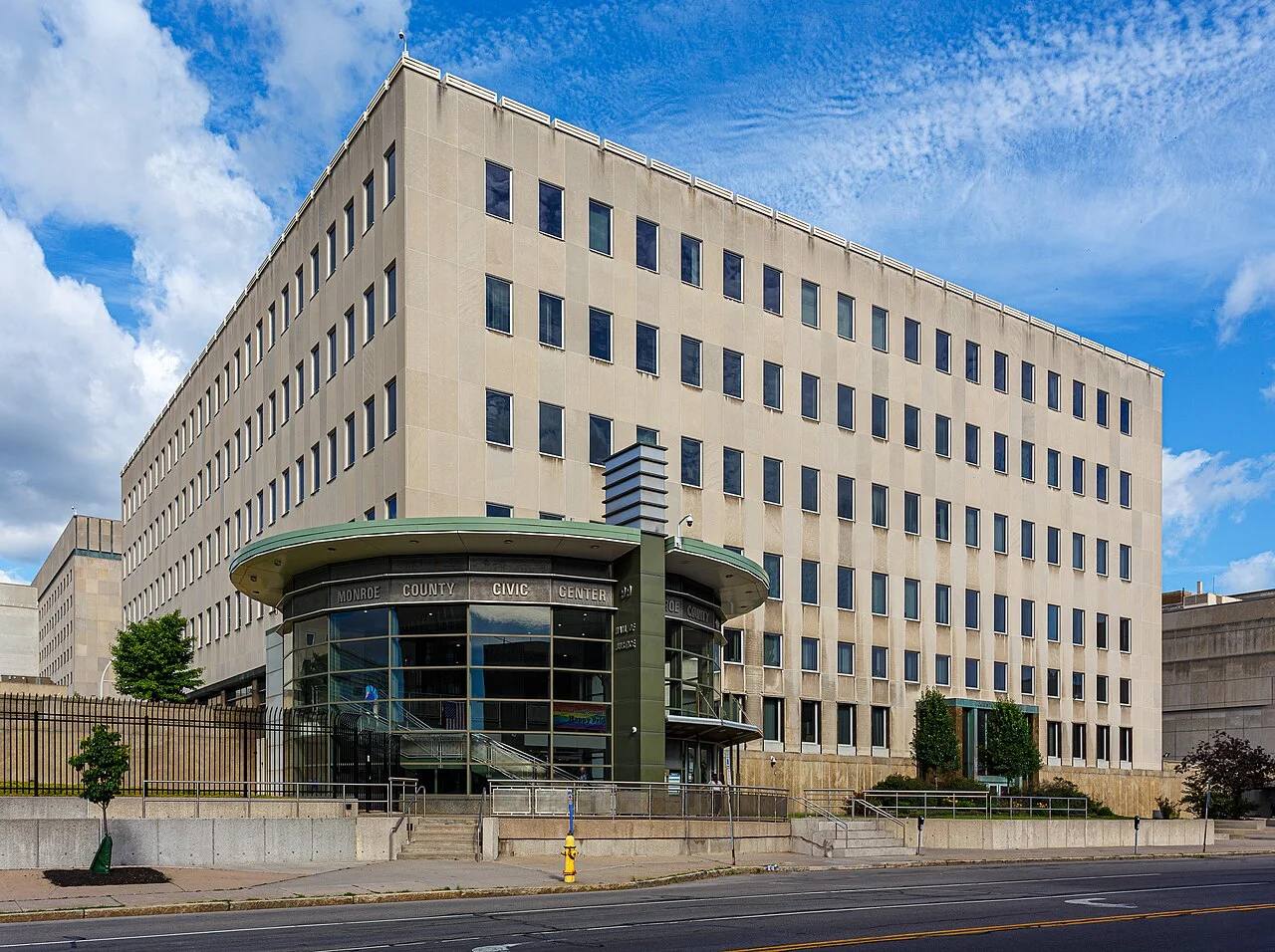
The lawsuit was filed in New York State Supreme Court in Monroe County. None of the allegations in the complaint have been proven, and the attorney general’s announcement did not include a response from any of the defendants.
Who is being sued
The complaint names six defendants: renovation contractor Roman Petrik and his company, Exterior Hotel Improvement Inc.; hotel owner and operator Nayan Patel and his company, Horizon Edge Hospitality LLC; and Six Continents Hotels Inc., doing business as IHG Hotels & Resorts, along with Holiday Hospitality Franchising LLC, the brand and licence holder.
The hotel at 70 State Street in Rochester was being renovated to keep its Holiday Inn licence. IHG set the scope of that work and inspected it, the state says.
What the state says happened
Petrik recruited workers from other states and from abroad, the attorney general says, promising hourly pay and a room at the hotel. After about two weeks, the state says, the pay mostly stopped. Workers put in 60 to 80 hours a week — and up to 112 hours in the weeks before IHG inspections and deadlines.
One man who was promised $18 an hour put in about 68 hours a week for 29 weeks, according to the complaint. He was owed roughly $30,506. He received $2,200.
In September 2023, workers and their children were moved to the hotel’s seventh floor, which had been closed since at least 2016. According to the state, the floor had no electricity or heat, no running water or working toilets, and no locks on the doors — and families lived there through the winter.
When workers asked to be paid, the lawsuit says, Petrik and Patel threatened them with deportation, eviction or arrest. At least three workers were evicted. The complaint also accuses Petrik of repeatedly sexually assaulting a female worker between August and December 2023 and threatening to withhold her pay. The woman is not named in the public reporting of the case.
What the state says IHG knew
IHG managers inspected the seventh floor on June 14, 2024, the attorney general says. Workers told them they had gone at least eight months without pay. Four days later, an IHG regional vice-president emailed Patel calling the workers “squatters” who posed “security and reputational risks” to the brand, according to the complaint.
IHG then offered to put the hotel back on its reservation system, gave Patel more time to pay $96,350.50 in overdue fees, and dropped more than $13,000 in interest, the complaint says.
What the state is asking the court to do
The lawsuit accuses Petrik, Patel and their companies of trafficking workers in violation of the federal Trafficking Victims Protection Reauthorization Act, and says IHG broke the same law because it knowingly profited from their forced labour. Petrik and Patel also face state labour law claims, and Petrik and his company face a separate state human rights claim over the alleged sexual harassment.
The attorney general is seeking back pay and damages for the workers, civil penalties, and the money the defendants made from the job. She also wants the court to bar Petrik from renovation work and Patel from running hotels in New York.
Why this matters beyond Rochester
The case is the latest in a series of worker-protection actions by the attorney general’s office. In October 2025, James secured a $1.4 million settlement for construction workers at Alba Services, a Manhattan demolition contractor, after investigators found nearly a decade of workers’ compensation violations, sexual harassment and retaliation. Almost 700 workers injured between 2016 and 2024 are eligible for restitution, and the office is urging them to file claims by December 18, 2026.
The case also lands close to home for many immigrant families in the United States — including Punjabi workers in hotels, restaurants and construction — for whom unpaid wages and threats tied to immigration status are a familiar pattern in exploitation cases. The Rochester complaint alleges exactly that pattern: pay that stopped, hours that stretched past 100 a week, and deportation threats when workers asked for what they were owed.
What happens next is for the courts. The defendants will have the chance to respond in Monroe County Supreme Court, and the workers’ claims for back pay and damages will be decided there. The attorney general’s office says the case is about holding every link in the chain accountable — the contractor, the owner and the global brand that licensed the hotel.