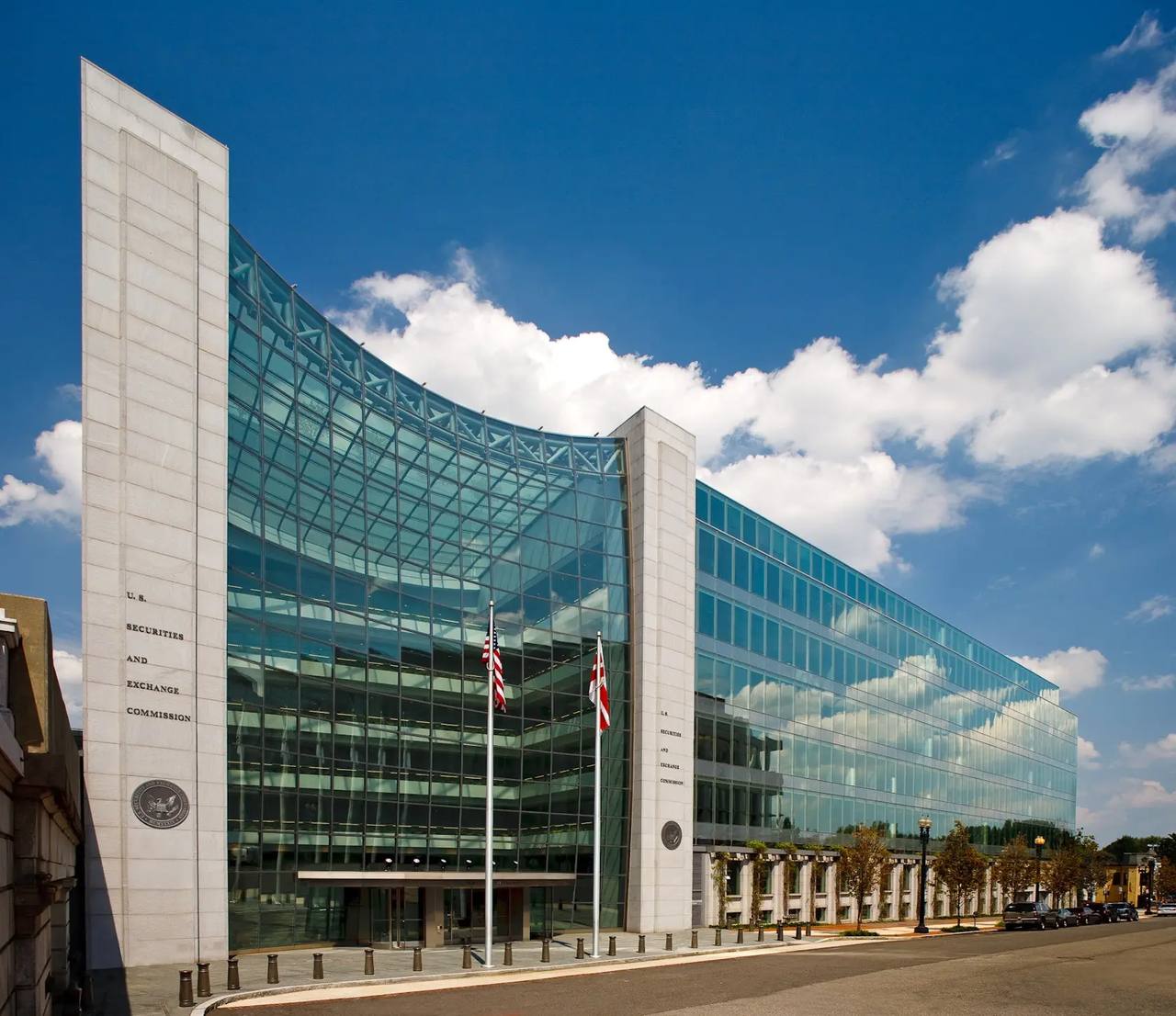
The U.S. Securities and Exchange Commission on Thursday, November 19, 2026, charged eight Colorado-based entities it says used fake investment advisers and fake crypto trading platforms to take more than $37 million from more than 1,500 investors across the United States. The agency says the entities were likely operated by people overseas, and that the scheme ran for 21 months, from August 2024 to May 2026.
Source: U.S. Securities and Exchange Commission
How the scheme allegedly worked
According to the SEC’s complaint, filed in federal court in Colorado, the operation worked in pairs: each pair combined a fake investment adviser with a fake crypto trading platform that the adviser sent clients to. The advisers contacted investors through WhatsApp chats, presented themselves as legitimate professionals, and persuaded people to move as much money as possible onto the supposed trading platforms. The platforms were not real trading venues, the SEC says — they were fronts designed to take investor funds.
To look legitimate, the SEC alleges, the operators created counterfeit SEC certificates and submitted filings to the SEC, FINRA and FinCEN. Each fake platform was registered with FinCEN, a Treasury bureau, as a money service business — and the advisers showed investors that registration as proof that they could be trusted. The SEC has since removed a Form D filing by one of the entities and Forms ADV filed by two others from its website.
The complaint names four pairs, each operating for about six months before being abandoned and replaced by the next: Advisor WeChat Capital with Tech Brokerage Asset Alliance Ltd., from about August to December 2024; HB Wealth Advisors with IdeaCrypto Exchange LLC, from about January to July 2025; Convergent Wealth Advisors Inc. with RealSimple Crypto Exchange Inc., from about July to December 2025; and Associated Wealth Advisors Ltd. with Essential Crypto Exchange, from about January to May 2026.
The money moved fast. The SEC says about $35.5 million arrived as crypto-asset deposits into addresses controlled by the defendants, with another $1.9 million flowing in as regular currency — a total of more than $37 million. The complaint does not identify the operators by name or nationality, or say where they are now.
The SEC’s charges are allegations in a civil complaint. No court has ruled on them, no settlement has been announced, and the case is pending in federal court in Colorado. The eight entities are presumed to face the charges as alleged until a court decides otherwise.
Why it matters
The case is a textbook example of a fraud pattern regulators have warned about for years: a friendly adviser appears on WhatsApp, a polished-looking trading app shows growing balances, and official-looking paperwork makes it all seem regulated. The victims are ordinary investors across the country, and the losses are real money — savings moved into accounts the investors never controlled.
For the Punjabi diaspora, the warning is direct. Community members who trade crypto or invest through online advisers — including truckers and small business owners putting aside earnings — are exactly the audience such schemes target. The SEC’s advice is simple: before sending money, verify any adviser’s registration and background on Investor.gov, the agency’s free checking tool, and be wary of advisers who first reach out on WhatsApp or other messaging apps.
What the SEC is asking the court to do
The complaint charges all eight entities with violating the antifraud provisions of the Securities Exchange Act — Section 10(b) and Rule 10b-5 — and charges four of them under the Investment Advisers Act as well. The SEC is seeking permanent injunctions, disgorgement of ill-gotten gains with prejudgment interest, and civil monetary penalties. The agency has not said whether any investor money has been frozen or recovered.
What happens next
The case now moves through the federal court in Colorado, where the defendants will have the chance to respond to the complaint. No hearing date or deadline for a response has been announced. The SEC says a separate, similar case involving two other entities — BG Wealth and DSJ Exchange — was filed on October 29, 2026, and is proceeding on its own track. Investors who think they dealt with any of the eight named entities can check the SEC’s release and complaint for the names and verify adviser registrations at Investor.gov.