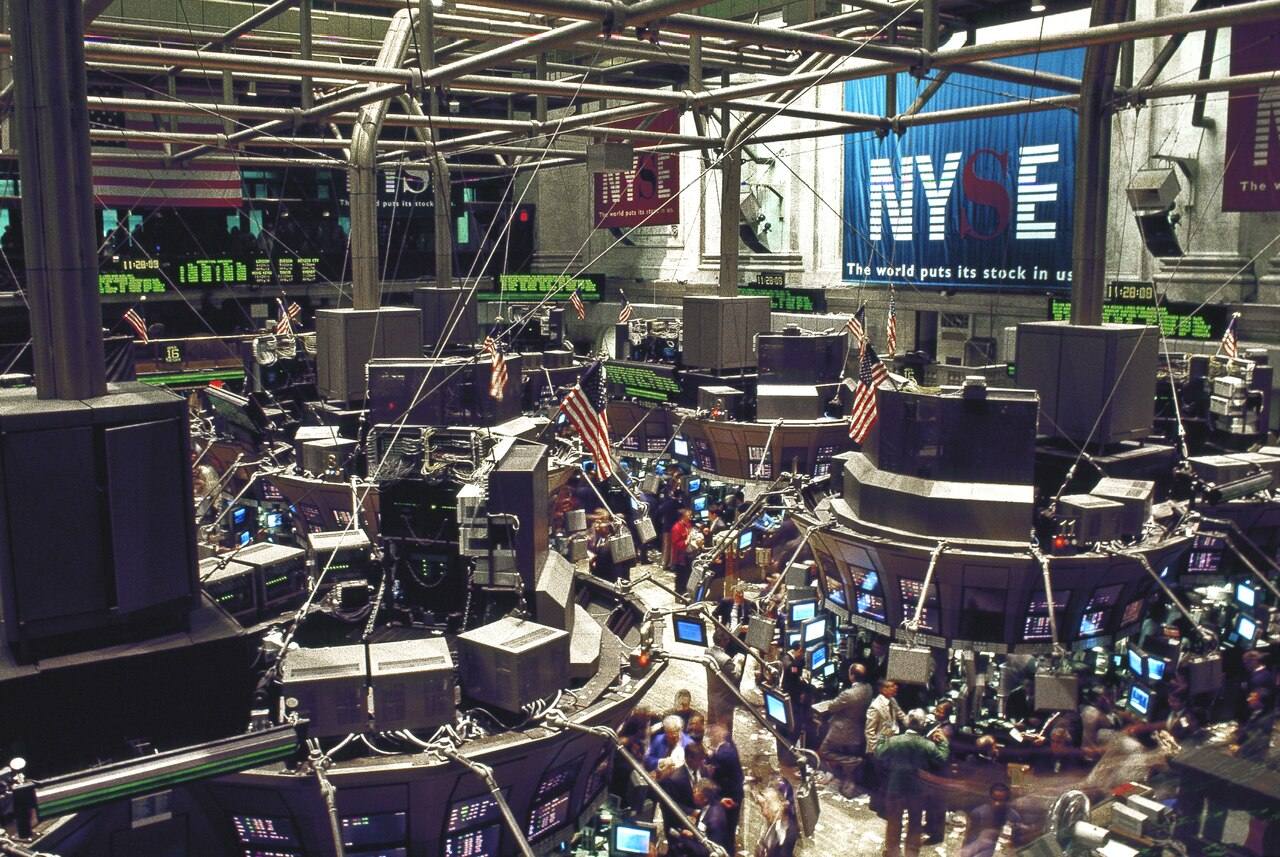
The Dow Jones Industrial Average fell 561.25 points, or 1.11 percent, to 50,198.17 on Wednesday, November 18, 2026, its third straight daily decline, as a sell-off in health-care stocks, sliding oil prices and hawkish signals from the Federal Reserve rattled Wall Street.
The scale of the three-day slide is what caught traders' attention. Including Tuesday's 850-point drop, the Dow has shed 2,149 points in three sessions, a decline of about 4.1 percent and its most severe three-day fall since April 2025, according to market data. The blue-chip index closed less than 200 points above the 50,000 mark.
UnitedHealth's 10% plunge did the most damage
UnitedHealth, the Dow's heaviest-weighted health insurer, fell about 10 percent — roughly $39.78 a share — after a proposal for new Medicare audit rules that could claw back overpayments from insurers. The single stock accounted for about 236 of the Dow's 561-point drop. Humana fell for a second straight day alongside it, and health care was among the worst-performing sectors in the S&P 500, down more than 2 percent.
Nvidia, the artificial-intelligence chipmaker whose results set the tone for the whole market, also gave back its gains. The stock fell 2.9 percent on Wednesday after an initial post-earnings bounce faded, as investors questioned how much further the AI rally can run. Six of the S&P 500's 11 sectors finished lower.
A split market: the Nasdaq rose while the Dow sank
The selling was far from uniform. The Nasdaq Composite rose 101.50 points, or 0.42 percent, to 24,429.88, snapping its recent skid, and the small-cap Russell 2000 gained 0.52 percent. The S&P 500 slipped 16.90 points, or 0.23 percent, to 7,323.63 — its fifth consecutive losing session, its longest slide since June, leaving it down nearly 4 percent over that stretch.
Minutes from the Federal Reserve's most recent policy meeting, released on Wednesday, showed policymakers remained particularly concerned about inflation risks, and Fed Governor Christopher Waller said the central bank might need to act more forcefully to remind markets that 3 percent inflation is not a level the economy can accept over the long term. The 10-year Treasury yield eased to about 5.07 percent.
Oil and gold tumbled
West Texas Intermediate crude fell about 4 percent to roughly $82 a barrel after U.S. crude inventories rose by 3.38 million barrels, and it is now down about a fifth over the past month. Brent crude fell to about $91 a barrel. Energy was the worst sector in the S&P 500, down nearly 3 percent, with Chevron and ExxonMobil each down about 4 percent.
Gold futures dropped 3.5 percent to about $3,730 an ounce, their lowest level in 14 months, as the stronger tone around interest rates and a fading rush into safe havens pulled bullion down with stocks.
What it means for readers
For most households, a week like this shows up first in retirement accounts: a 401(k) or pension fund tracking the S&P 500 is down nearly 4 percent over the last five sessions. The drop is not a crash — the Dow is still above 50,000 and the S&P 500 is down nearly 4 percent from where it stood five sessions ago — but three straight days of selling have put investors on edge heading into the Thanksgiving holiday week.
There is one clear silver lining for drivers. Cheaper crude usually means cheaper fuel within days, and diesel — the lifeblood of the trucking industry, where many Punjabi-American drivers earn their living — follows crude lower. A sustained drop in oil would cut fuel bills on long-haul routes such as I-5, I-80 and I-40, though pump prices lag the crude market by several days.
What happens next
Traders will watch whether the selling spreads from health care and energy into the broader market, what the Federal Reserve signals at its next meeting, and whether the Nasdaq's rebound holds. Anthropic, the artificial-intelligence company, priced its shares at $83 in a record initial public offering and is due to begin trading on the Nasdaq, a debut that will test whether investor appetite for AI is still strong after Nvidia's fade.
Wall Street's next test comes with the Thanksgiving week — typically a quieter stretch of trading, when thin volumes can exaggerate moves in either direction. (Sources: Reuters; Associated Press; Xinhua.)