On Tuesday the Knesset elected Matan Kahana of Gadi Eisenkot's Yashar party as speaker by 66 votes to 52, replacing Netanyahu ally Amir Ohana. Read the earlier story
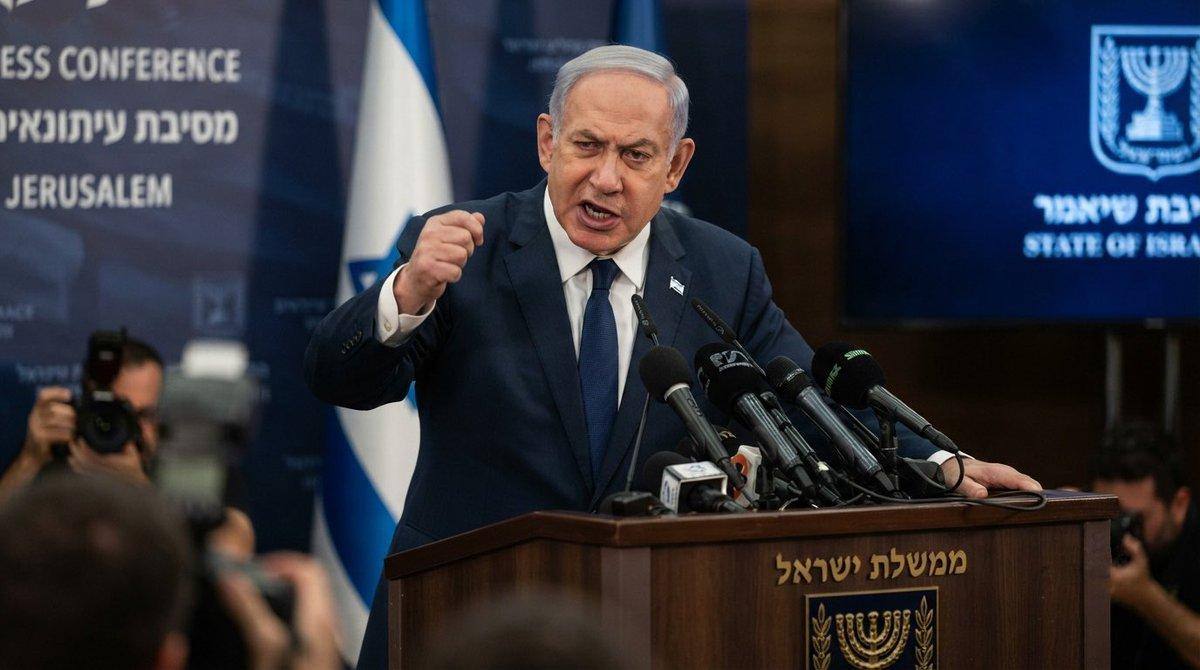
Benjamin Netanyahu publicly acknowledged on Wednesday that his bloc lost Israel's October 27 election, telling journalists: “The results of these elections are not what I wanted, nor are they what others wanted, but they are what the people want.” It was his first public acceptance of defeat after weeks of claiming, without evidence, that the vote had been stolen.
Source: The Rahnuma (Reuters)
The remarks, made hours after the Knesset met under its new speaker from the anti-Netanyahu bloc, were a rare statement from the caretaker prime minister free of attacks on his opponents. He called on political leaders to unite.
The fraud claims — and what the checks found
Netanyahu's Likud party had claimed that Arab-led parties “stole” the election through bribery, threats and forgery, and suggested foreign help, including funding from Qatar. Qatar rejected the allegation as a disinformation campaign, police said they found no basis for the claims, and election officials said there was no widespread fraud.
The Central Elections Committee, chaired by Supreme Court Justice Noam Sohlberg, certified the results on Wednesday after a review of 9,069 polling stations found no irregularities that compromised the integrity of the election. Sohlberg said those casting doubt on the results pose “a real danger” to Israel's democracy. A Shin Bet investigation into alleged vote-buying in the Arab community found no evidence of bribes paid on a scale that could have affected the result, the committee said on Tuesday evening. The certified results were submitted to President Isaac Herzog on Wednesday.
Source: Al Jazeera
On Wednesday the Knesset met under Kahana for the first time, and Eisenkot's camp began a legislative offensive to roll back Netanyahu's agenda, with preliminary votes on bills to reverse the sweeping judicial reforms and changes to media regulation advanced under his government. Kahana, an Eisenkot ally, told lawmakers in his inauguration speech: “I intend to serve as speaker for everyone, regardless of religion, race or gender.”
Likud condemned the speaker vote in furious terms, calling it “a disgrace for all eternity” and accusing Eisenkot's camp of winning with the votes of “terror supporters”. Eisenkot welcomed Kahana's election as “a new chapter” for the legislature.
Source: 7Globe
What is solid
- Netanyahu said on Wednesday that the election result was “not what I wanted” — his first public acceptance of defeat.
- Kahana was elected speaker 66–52 on Tuesday, replacing Likud's Amir Ohana.
- The elections committee certified the results after finding no irregularities at 9,069 polling stations.
What is only claimed
- Netanyahu's claim that Arab parties stole the election — election officials and police found no evidence; his allies maintain suspicions.
- Whether Eisenkot can assemble a 61-seat coalition — his bloc holds 48 seats and needs Arab-party support or other deals.
- Whether the Knesset's votes to reverse Netanyahu-era laws will survive the coalition talks.
What happens next
Herzog has tasked Eisenkot with forming the next government, and he has until next month to assemble a coalition, subject to presidential extensions. His Yashar-led bloc holds 48 seats and needs Arab-party support or other agreements — an arrangement that divides some of his potential partners. Avigdor Lieberman has rejected relying directly on Arab lawmakers, while former prime minister Naftali Bennett has favoured a unity government involving Likud. If the talks fail, Israel could face another election next year. Netanyahu stays on as caretaker prime minister until a new government is formed — and he has reportedly been urging US President Donald Trump to resume the war on Iran, pressing his case for a unity government with Eisenkot.
Israel is being run by a caretaker prime minister who has just admitted he lost, while the man tasked with replacing him tries to build a coalition in the middle of a regional war. Whoever governs next will inherit the Iran war, the Gaza truce and a parliament now controlled by Netanyahu's opponents.