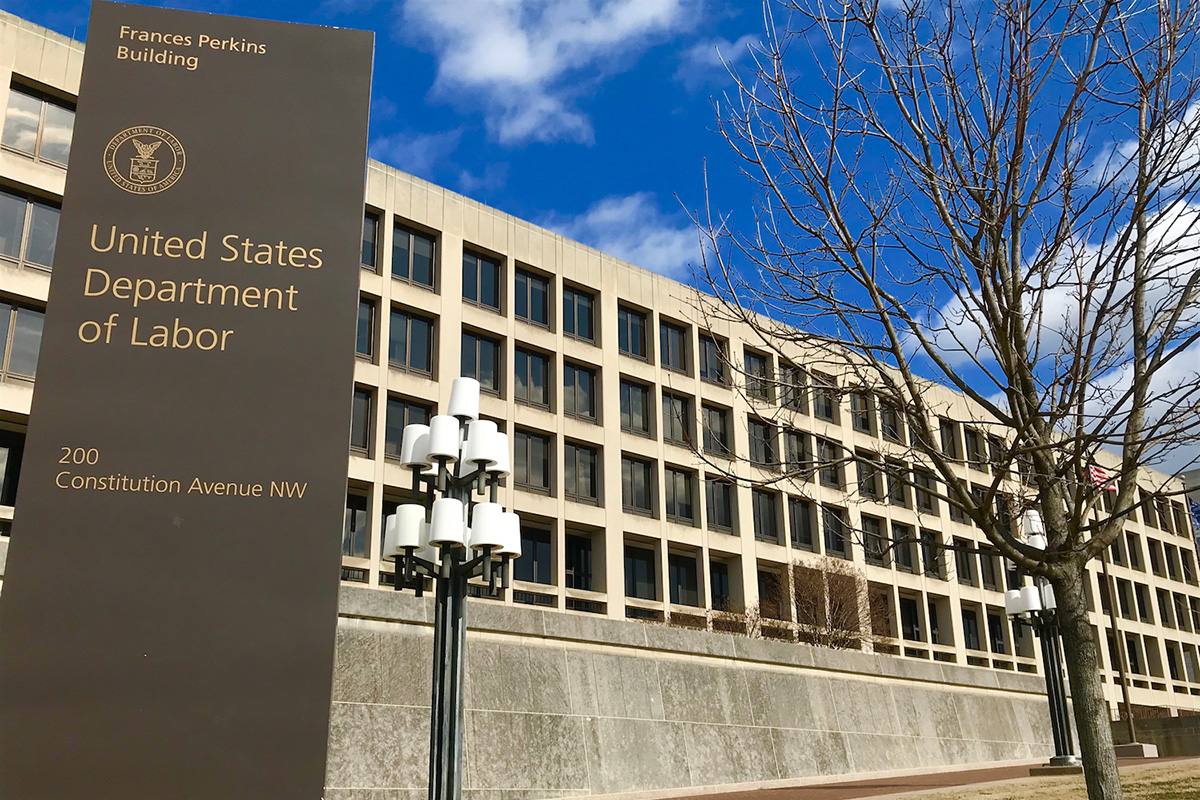
The U.S. Department of Labor on November 16 proposed the first comprehensive rewrite of the PERM green-card labour-certification program in about two decades, and published the 300-page proposed rule in the Federal Register on November 17, opening a 60-day public comment period that runs until January 19, 2027.
Source: SHRM
PERM — the Permanent Labor Certification Program — is the gateway to most employment-based green cards. Before a company can sponsor a foreign worker for a green card under the EB-2 or EB-3 categories, the Labor Department must first certify that no qualified American worker is available for the job and that hiring the foreign worker will not undercut U.S. wages or working conditions.
Source: Axo News
What the proposal would change
Job advertising would jump from 30 days to at least 90 calendar days. Employers would have to show they made good-faith efforts to recruit qualified American workers, using the same recruitment channels for the advertised job — employer websites, online job boards, social media, job fairs and campus recruitment — replacing the old print-advertisement rules.
Source: SHRM
The sharpest change concerns layoffs. Today an employer that laid off U.S. workers in the same or a related occupation in the same area within six months of filing must notify the affected workers and consider those who apply. The proposal would extend that lookback to two years and categorically bar approval of a PERM application when qualifying layoffs occurred in that window. It would also require employers to keep considering laid-off workers after filing, through approval of the related I-140 petition, and to notify the Labor Department and U.S. Citizenship and Immigration Services within five business days of covered layoffs.
Source: SHRM
The proposal would eliminate Schedule A, the decades-old exemption that lets employers sponsor professional nurses, physical therapists and certain workers of exceptional ability in the sciences, arts and performing arts for green cards without first proving that no qualified U.S. workers are available. The department said it “no longer possesses evidence” of a nationwide shortage of nurses or physical therapists to justify the exemption.
Source: Becker's Hospital Review
Other changes include a ban on tailoring a job opportunity to a foreign worker, stronger notice-of-filing duties so U.S. workers learn a PERM case has been filed, tighter record-keeping, and expanded safeguards for U.S. workers affected by layoffs. The public docket number is ETA-2026-0133.
Source: VitalLaw
“American Workers are the best in the world, and they deserve the first and best job opportunities. Existing regulations have instead allowed companies to sponsor foreign workers without fully considering American workers first,” Labor Secretary Keith Sonderling said in the department's November 16 release. “This proposed rule change will ensure American workers are first in line for high-skilled, high-paying job opportunities over foreign labor.”
Why the administration is acting now
The proposal follows a high-profile enforcement crackdown. In October, Vice President JD Vance announced that Microsoft and several other companies would be suspended from PERM over alleged fraud, and the administration later barred eight technology and IT services companies, including Microsoft and Adobe, from sponsoring employees for green cards through PERM while it investigates whether they misused the system. Vance accused Microsoft of benefiting from the PERM and H-1B programs while laying off thousands of American workers — an accusation, not a court finding; the suspensions are an enforcement step.
Source: American Bazaar
For the Punjabi and wider Indian diaspora, the stakes are direct. Indians are among the largest groups waiting in the EB-2 and EB-3 queues, and USCIS data cited in reporting puts more than 1.56 million green-card applications pending as of June 2026. If finalized, the rule would make employer-sponsored green cards slower and harder to obtain — longer advertising, a two-year freeze after layoffs, and no fast track for nurses. It would not by itself cancel anyone's H-1B visa, job or existing green-card eligibility, and it changes nothing until a final rule is published and takes effect.
Source: The Daily Jagran
What happens next
Comments on the proposal are due by January 19, 2027. The department must consider the feedback before issuing any final regulation. If the rule is finalized, it would take effect 60 days after publication, followed by a 30-day transition period, and the department has proposed applying the new requirements to certain applications filed at least 90 days after a final rule is published. Until then, employers continue to operate under the existing certification standards.
Source: Law Commentary
This proposal is the next step in a rulemaking Awaaz Punjab first reported on October 27, when the plan cleared White House review — its text confidential then, and public now. Read the earlier story
Workers and employers with a PERM case in progress should watch the comment period and speak to an immigration lawyer about timing — filing before a final rule takes effect, where possible, may matter. Awaaz Punjab will report the final rule and the comment-period outcome when they are published.