At least nine large American companies have told investors they are using the billions of dollars refunded from Donald Trump's struck-down tariffs to pay bonuses to their leadership and staff — not to reimburse the shoppers who paid higher prices while the tariffs were in place, according to a ProPublica investigation published on November 16.
Source: ProPublica
The investigation, by reporters Robert Faturechi and Nick McMillan, analysed thousands of securities filings and earnings calls. It found the nine companies had disclosed in their own filings that some of their tariff refunds would go to incentive pay and bonuses. Six of the nine companies were not named in the investigation.
Source: The Guardian
TJ Maxx parent got $331 million back
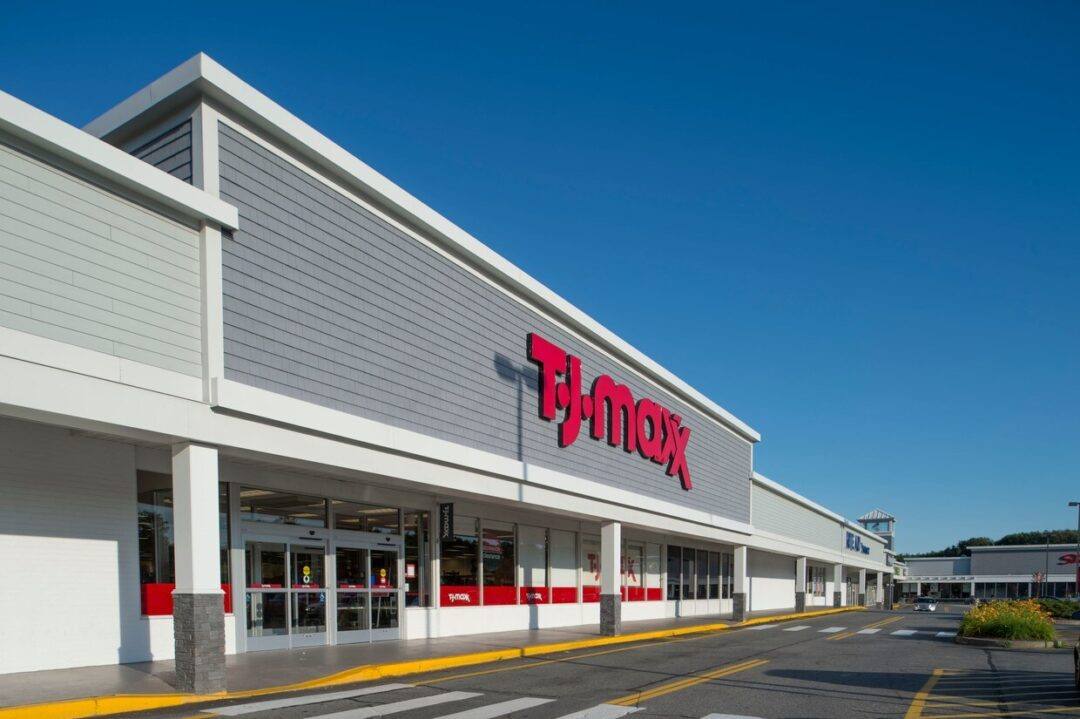
The largest named case is TJX, the Massachusetts-based parent company of TJ Maxx and Marshalls, two of the discount chains where millions of American families — including many Punjabi immigrant families — shop for clothing and home goods. TJX told ProPublica it received $331 million in tariff refunds. A company spokesperson confirmed the figure and said TJX is accruing $112 million for year-end incentive compensation and discretionary bonuses for eligible associates around the world.
Source: ProPublica via The Guardian
Stanley Black & Decker, the toolmaker behind DeWalt and Craftsman, is expected to receive at least $298 million in tariff reimbursements, ProPublica reported, and has indicated some of that money will go to bonuses. The company had earlier told shoppers it was forced to raise prices because of the import fees. In its financial disclosures, the company said the refund it received “was partially offset by directly attributable costs for variable incentive compensation” — $131.6 million for the nine months ended in October 2026.
Source: ProPublica via The Guardian
How the refund pile was created
The refunds exist because the US Supreme Court ruled on February 20, 2026, by 6 votes to 3, that the tariffs were unlawful. In Learning Resources Inc. v. Trump, Chief Justice John Roberts wrote for the majority that the 1977 International Emergency Economic Powers Act (IEEPA), which Mr. Trump used to impose sweeping “Liberation Day” tariffs in April 2025 on goods from more than 90 countries, does not give a president the power to impose tariffs. Justice Brett Kavanaugh dissented and warned that unwinding the duties could be a substantial “mess”.
Source: ProPublica
In March 2026, the US Court of International Trade ordered the government to refund the duties. Customs and Border Protection (CBP) built a system called CAPE — the Consolidated Administration and Processing of Entries — which went live on April 20, 2026. By July 31, importers had filed 252,496 refund declarations, of which 178,213 passed validation. CBP says refunds are generally issued 60 to 90 days after a claim is accepted, and companies have 80 days from an import entry's liquidation date to file.
Source: Al Jazeera
Other companies named in the investigation include Acushnet, the maker of Titleist golf balls, which will spend $12 million of its $45 million refund on bonuses, according to Forbes. Not every company is keeping the money: Burlington Stores pledged to use its full refund for “even sharper values” for shoppers, with none of it going to bonuses. Financial news service Barchart reported that Walmart has received $2.9 billion in refunds, Ford $1.3 billion and Apple $2.2 billion.
Source: Forbes / Barchart
Shoppers paid — but the law says the money goes to importers
The Tax Foundation, a nonpartisan research group, estimated the tariffs cost the average American household about $700 in 2025 through higher prices. But shoppers were never legally entitled to a share of the refunds: under US law, the refund goes to the “importer of record” — the company that paid the duty at the border. Whether any of it reaches a shopper depends entirely on the company's own pricing decisions. ProPublica found that almost all the companies that have publicly said they will pass refunds back to customers deal directly with other businesses, not with consumers.
Source: ProPublica
Some coverage describes the money as “executive bonuses”. ProPublica's own findings are narrower: the filings describe incentive compensation and discretionary bonuses for eligible associates and leadership. TJX, for example, says its $112 million covers incentive pay for eligible associates globally — not only top executives.
What happens next
About 40 percent of the disputed tariff money is still moving through review, and tens of billions of dollars will keep flowing back to companies in the coming months. The government is appealing the court order for refunds to importers who never sued, after the Court of International Trade certified a class of non-litigant importers on October 8. Senate Democrats have asked the Federal Trade Commission to examine how the refunds are being used. The administration has not publicly named which companies are receiving refunds, despite requests for that information, ProPublica reported. For small importers, the practical message from trade advisers is to check whether their entries are eligible under CAPE and file within the 80-day window, because unclaimed refunds stay with the government.
Source: ProPublica