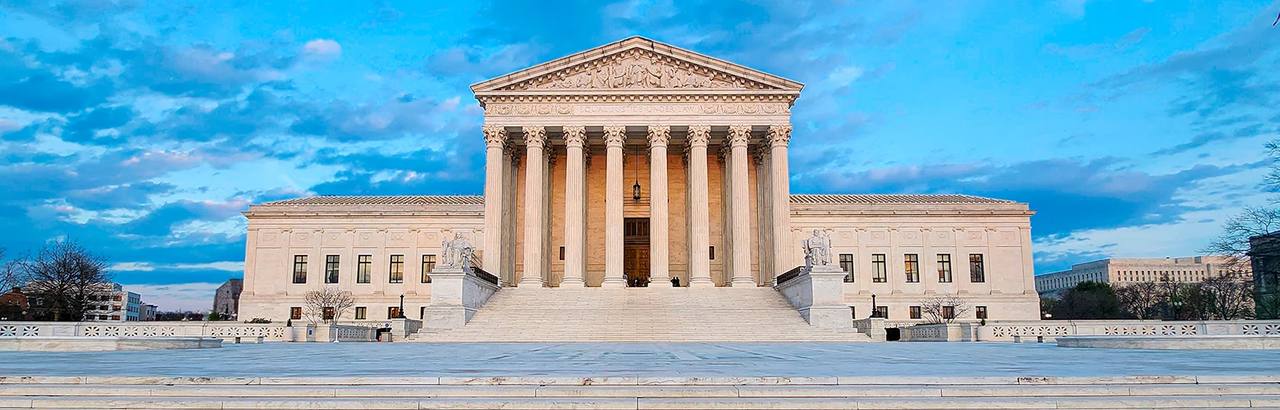
The Trump administration asked the Supreme Court on Wednesday, November 18, to halt a court order that would restore deportation protections for hundreds of thousands of Venezuelan migrants, in an emergency appeal that gives the justices a deadline measured in days. If the court does not intervene again before Friday, November 20, the administration could be required to release about 1,800 Venezuelans from detention, federal attorneys wrote.
Source: Associated Press via KXL
This is a new development in a case this newsroom has followed through the month: a California-based federal judge found it unlawful for the administration to end Temporary Protected Status (TPS) for Venezuelans; an appeals court then paused that judge's decision, and the site reported the Ninth Circuit's 14-day stay on November 3 and the reinstatement fight on November 6. That appeals-court pause is now set to expire on Friday, which is why the administration has gone back to the Supreme Court on an emergency basis. By Courthouse News Service's count, it is the third time the administration has asked the justices to intervene in this dispute.
Source: Courthouse News Service
What the government told the justices
Solicitor General D. John Sauer, the administration's top Supreme Court lawyer, argued that giving effect to the district court's order, even briefly, would force the government to release about 1,800 Venezuelan migrants from detention, halt more than 300 removal orders — the administration put the figure at up to 332 — and require work authorization to be provided again, creating what the filing described as "mass confusion" over work permits. The administration argued that reinstating the protections would cause "severe and immediate harm" and told the court it would "gravely harm the government." It also pointed out that the Supreme Court has already intervened in the government's favour at an earlier stage of this same case.
What TPS is, and how Venezuela got here
Temporary Protected Status was created by Congress in 1990 to prevent deportations to countries suffering from natural disasters or civil strife. It is granted in increments of up to 18 months and lets people already in the United States live and work legally while it lasts. TPS for Venezuelans was first introduced in March 2021 under President Joe Biden and was expanded in September 2023 to include more beneficiaries; about 600,000 Venezuelans have received the protections. The government argues that TPS is a temporary program that only offers short-term protections.
After the administration ended TPS for Venezuelans last year, their work authorizations also ceased to be valid. Thousands of people were subjected to removal proceedings, detained and deported, the Associated Press reported, and many Venezuelans chose to leave the country voluntarily. It is not clear how many Venezuelans who held the protections are still living in the United States — which is part of why a Friday reinstatement would be so complicated to carry out.
The wider TPS rollback behind this one case
The Venezuelan case is the largest single piece of a much wider rollback. The Trump administration has terminated TPS for more than 1 million people from 13 countries, including Venezuela, Haiti, Honduras, Nicaragua, Afghanistan and Syria. The Supreme Court also allowed the administration to end temporary legal protections for people from Haiti and Syria in June. In a change of practice, however, the administration kept protections in place for nearly 200,000 Salvadorans whose TPS was set to expire on September 9, and for more than 100,000 people from Ukraine and Sudan in October.
The other side: "jump the line"
Emi MacLean, an attorney for the National TPS Alliance at the American Civil Liberties Union of Northern California, said the administration has no basis for its request to the Supreme Court. "The lower courts should be able to rule on this question, and they are taking it seriously and they're moving expeditiously," MacLean said. "What the government is trying to do is jump the line to get the Supreme Court to endorse their illegal actions and allow the harm inflicted on Venezuelan TPS holders to continue."
Source: Associated Press via KXL
Why the diaspora is watching
TPS is not an abstract programme for immigrant communities in the United States: it is the legal status that lets hundreds of thousands of people keep jobs, renew work permits and stay with their families while their cases move through the courts. A reinstatement on Friday would restore work authorization for Venezuelan holders and force the release of detainees; a Supreme Court stay would keep the termination in force while the litigation continues. Either way, the decision will land within days, not months.
What happens next
The justices can act on the emergency appeal at any time before Friday's deadline, and emergency orders of this kind usually come without a full explanation. If the court does not intervene, the district court's order restoring TPS takes effect and the administration says it will have to begin releases and work-authorization processing immediately. If the court intervenes, the termination stays in place while the underlying case — over whether the administration lawfully ended the protections at all — continues in the lower courts. No decision had been issued when this report was published.